The ultimate low-stim escape
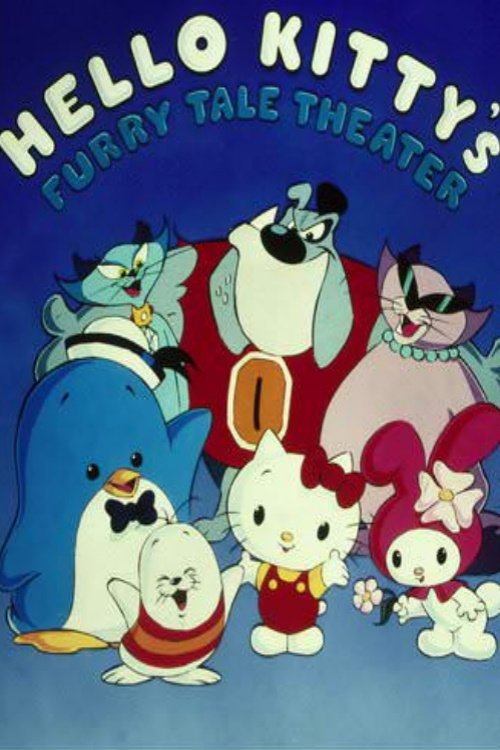
If your living room usually sounds like a chaotic mix of high-pitched YouTube narrators and synth-heavy theme songs, this 1987 series is a reset button. It belongs to an era of children’s programming that wasn't afraid of silence or simple transitions. While modern shows use rapid-fire cuts to keep a toddler’s attention hostage, this show just... happens.
It’s the kind of media you put on when the "screen time guilt" is hitting hard but you actually need to get a load of laundry done. Because the pacing is so deliberate, it doesn't trigger the same "zombie mode" or post-show meltdowns that high-intensity programs often do. It’s less of an adrenaline shot and more of a gentle background hum.
Theater kids in training
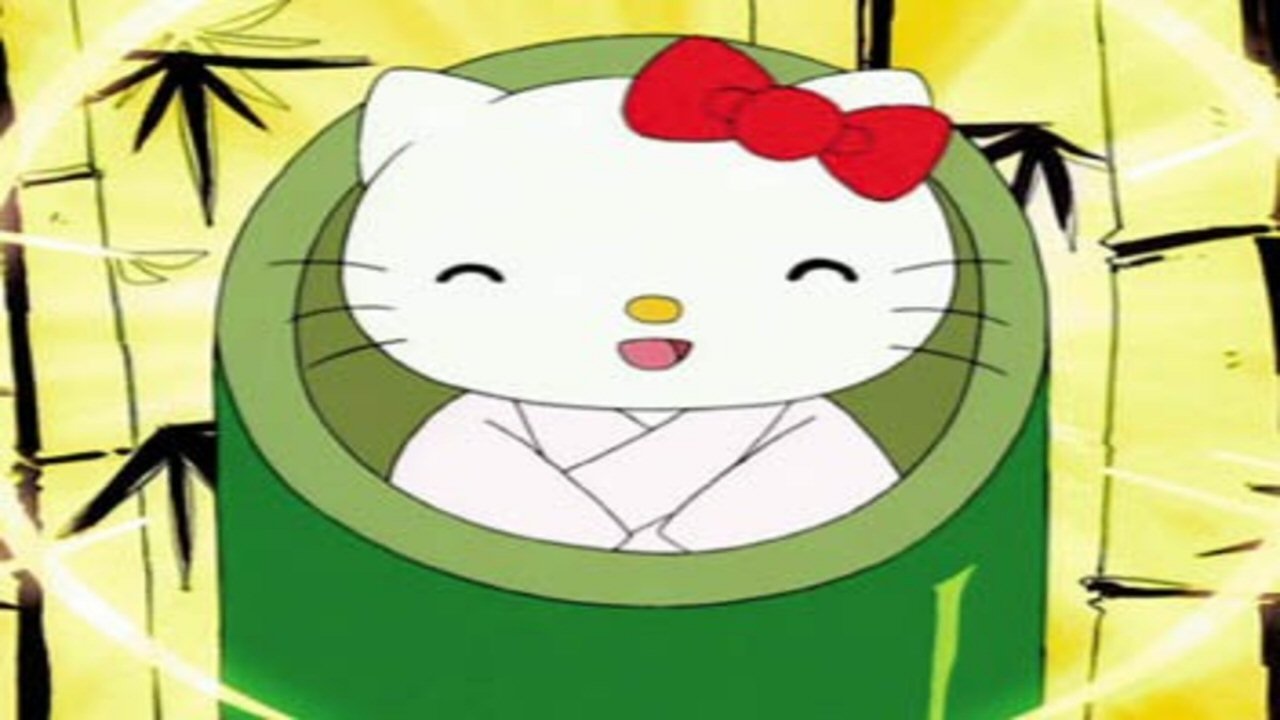
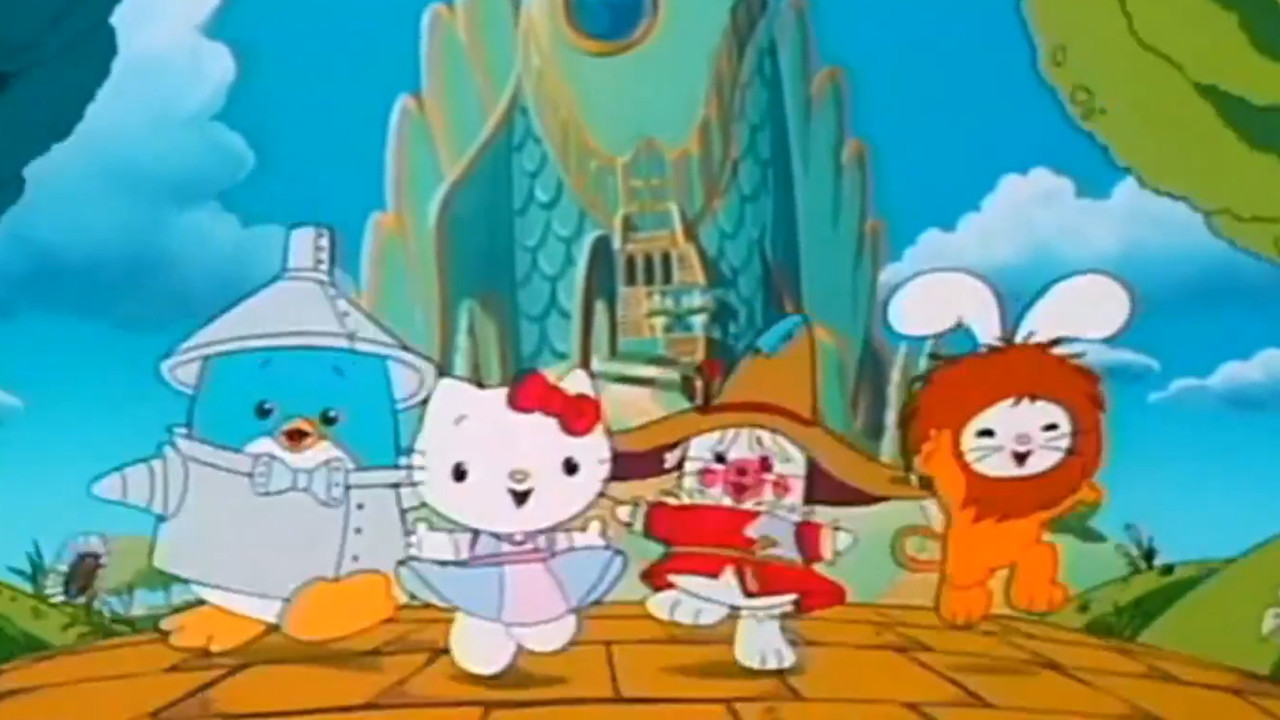
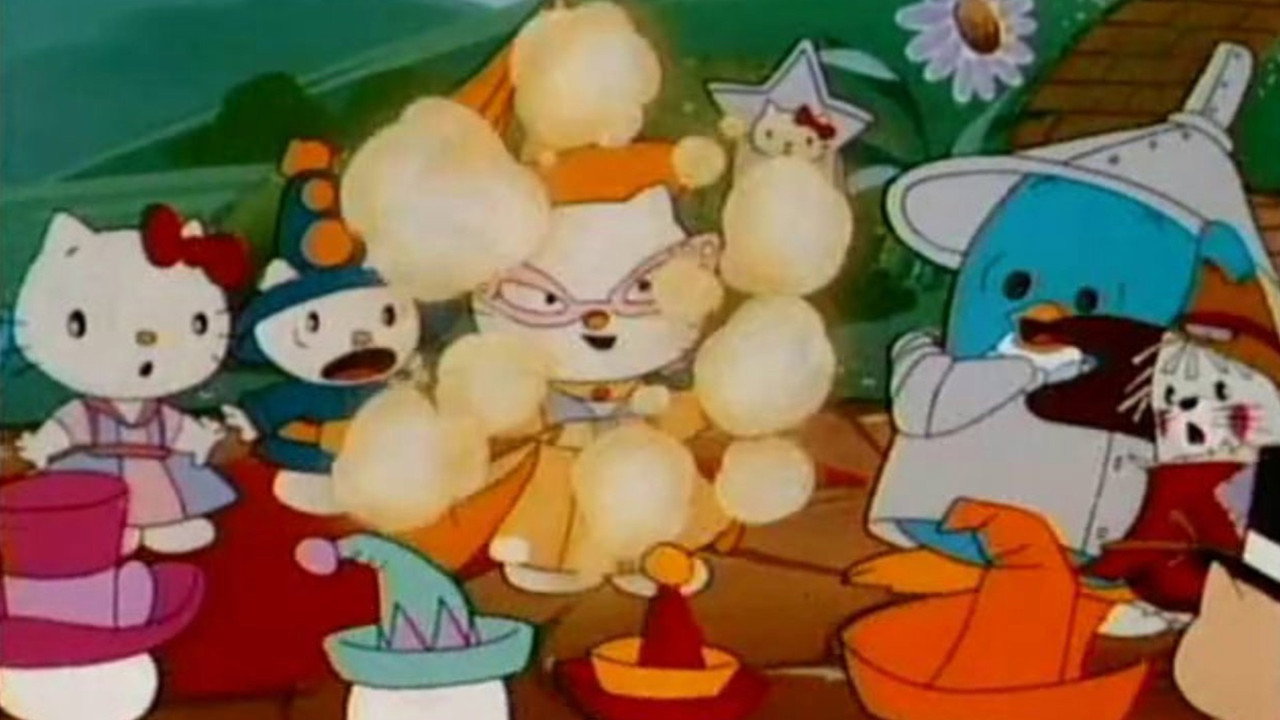
The structure here is actually pretty clever for the preschool set. Instead of just "Hello Kitty goes to the store," the characters are part of a theater troupe performing classic fairy tales. This meta-layer is a great way to introduce the concept of pretend.
If your kid is already obsessed with dressing up or "performing" for you in the kitchen, they’ll lock into the costume changes and stage cues. It’s also a low-stakes way to see if they’re ready for the actual plots of Cinderella or Sleeping Beauty without the darker, scarier vibes found in some of the feature-film versions. It’s the "diet" version of folklore—all the tropes, none of the nightmares.
A Japanese icon in a Western frame
While Hello Kitty is a global powerhouse now, this specific 1987 run is an interesting artifact. It’s a Japanese property filtered through a very specific 80s Saturday-morning lens. If you’re trying to figure out how to navigate anime vs. western animation, this is a soft entry point. It’s technically an early bridge between the two worlds, though it leans much harder into the Western cartoon aesthetic of its time.
Don't expect the high-octane energy of the recent Hello Kitty Island Adventure game that’s been everywhere lately. That game is a massive, hooked-in experience; this show is its sleepy grandparent. If your kid is a fan of the modern Sanrio aesthetic—the bright, crisp lines and "kawaii" overload—they might find the fuzzy, hand-drawn look of 1987 a bit "broken" at first. But for a three-year-old, the lack of polish is usually a non-issue.
When to skip it
If your child is six or older, skip this entirely. The 6.8 IMDB score reflects a lot of adult nostalgia rather than modern kid engagement. At that age, the "glacial" pacing we mentioned earlier stops being a benefit and starts being a chore. They’ve likely already graduated to shows with actual subplots and character arcs, and they will call this out for being "babyish" within five minutes. Save this one for the toddlers who are still mesmerized by the simple act of a cat in a dress walking across a screen.