Our reviews and ratings are 100% unbiased. Screenwise is a Bookshop.org affiliate and an Amazon Associate, so if you buy a book through one of our links, we may earn a commission. Bookshop.org purchases also support independent bookstores.
Screenwise Verdict
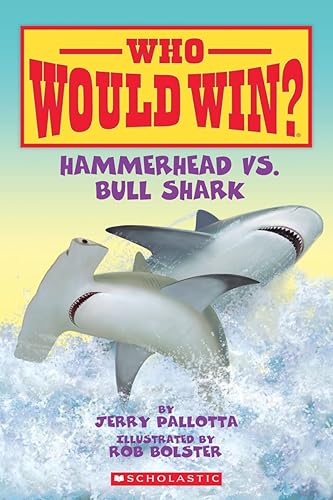
Look, if you're trying to compete with the dopamine hit of a tablet, this is the book that actually stands a chance. Jerry Pallotta basically cracked the code on how to get kids to read non-fiction without them realizing they're learning.
It’s lean, it’s mean, and it’s packed with enough 'did you know?' facts to keep a kid talking for three days straight. It’s not 'high literature,' but it’s high-engagement, and in 2026, that’s a win. If your kid is obsessed with stats, animals, or just arguing about who's tougher, this is a mandatory shelf addition.
Age Fit
Perfect for the 6-10 crowd. It's simple enough for early readers to tackle but interesting enough for a 4th grader to use as 'research' for their next lunchroom argument.
WISE Breakdown
Wholesome
85
It's pure, educational curiosity. There's no snark or hidden agenda—just a deep dive into marine biology framed as a competitive sport.
Imaginative
92
The entire 'Who Would Win?' concept is a masterclass in hypothetical thinking. It encourages kids to take raw data and simulate a scenario in their heads.
Safe
98
It's a book about sharks. Unless your child has a specific phobia of teeth or fins, it's as safe as it gets. No ads, no tracking, just paper and ink.
Enriching
88
Excellent for building comparison and contrast skills. It uses charts and checklists that teach kids how to process information visually.
Parent Info
✓
Why It Might Be Great
It is absolute 'boy-nip' (and for plenty of girls too) for kids who find traditional storybooks boring.
The layout is designed for short attention spans, with fast facts and big, bold visuals.
It teaches critical thinking by asking kids to weigh advantages like speed vs. bite force.
It’s a fantastic 'gateway drug' to more complex non-fiction science books.
⚠
What to Watch For
Nature can be metal—there are descriptions of sharks being 'ferocious' and hunting, though it's not gratuitous.
The 'battle' at the end is a hypothetical story, which might be a tiny bit intense for the most sensitive 4-year-olds.
Conversation Starters
"If you were a shark, would you rather have a hammer-shaped head for better vision or be a massive Great White for power?"
"Why do you think the author chose these two sharks to fight? What makes it a fair or unfair match?"
"What's one fact about the Great White that surprised you the most?"
"Who do you think would win if they had to compete in a race instead of a fight?"