Gabb Phone

Gabb Phone

app

Everyone, 2020, Communication

WISE
78%

WISE Score

4.5

App Store

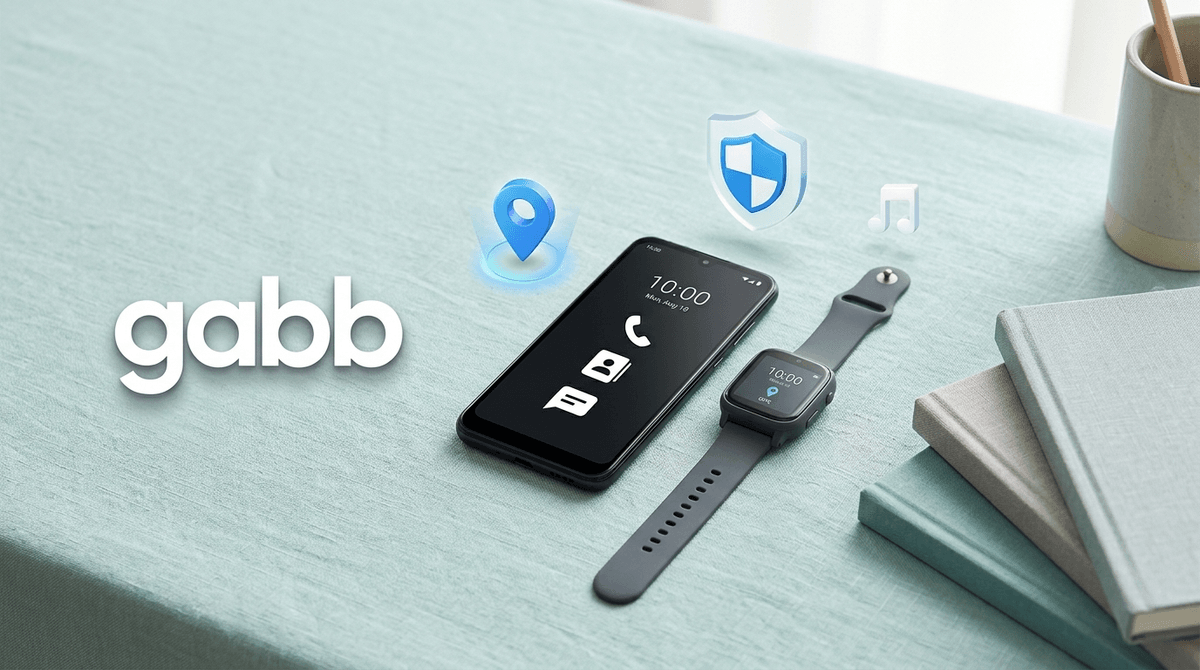
A smartphone that's allergic to the internet—think training wheels for the digital age, with GPS tracking so you know exactly where they left it.

Screenwise Verdict

Gabb Phone is the answer to a very specific parenting question: "How do I give my kid a phone without giving them access to the entire internet?" And honestly, it nails that brief.

This isn't a phone for creativity or exploration—it's a communication device with guard rails, and it knows exactly what it is. No social media, no browser, no app store, just calls, texts, GPS, and a handful of parent-approved features. For families who want to delay the smartphone chaos but still need to reach their kid after practice, this is a solid middle ground.

The safety features are legitimately impressive: automatic nudity blocking, explicit message alerts, parent-approved contacts only. You're not relying on parental controls that kids will inevitably bypass—the restrictions are baked into the hardware and OS.

That said, this is a transitional device, not a forever phone. Around 15 or 16, most kids will need more functionality for driving, jobs, college applications, and real-world navigation. And the monthly subscription cost adds up, so factor that in.

Bottom line: If you're dreading the smartphone conversation but your kid genuinely needs a way to reach you, Gabb Phone is a thoughtful, well-executed solution. Just know that you're buying time and teaching moments, not a permanent fix.
Age Fit

Best for ages 8-15 as a first phone or transitional device. Younger kids (5-7) might need a simpler watch-based device, while older teens (16+) will likely need more functionality for work, college prep, and real-world navigation. This is the sweet spot for middle schoolers learning phone responsibility.

WISE Breakdown
Wholesome
92

The MyGabb app and Gabb Phone ecosystem is built specifically to foster healthy digital habits for kids. By eliminating social media, internet browsing, and unsafe apps while maintaining core communication features, it creates a developmentally-appropriate stepping stone to full smartphone use. The focus on parent-child connection through GPS tracking and safe zones supports family trust and independence without the toxicity of typical smartphone culture.

Imaginative
35

This is a communication and safety tool, not a creative platform. While it includes Gabb Music and a growing list of 'safe apps,' the core design philosophy is restriction rather than creation. Kids can't explore, build, or express themselves in meaningful ways—which is the entire point, but it means there's minimal imaginative value. It's a phone that intentionally limits what kids can do.

Safe
95

Exceptional safety profile. No social media, no internet access, no app store, and built-in content filtering that blocks nudity and alerts parents to explicit messages. Parent-approved contacts only, GPS tracking, and geofenced safe zones give parents comprehensive oversight. The entire business model is predicated on safety, and reviews confirm it delivers. The only minor concern is that kids may find workarounds or feel overly monitored, but from a technical safety standpoint, this is as locked-down as it gets.

Enriching
58

The enrichment here is indirect: teaching responsible phone use, building trust through gradual tech introduction, and allowing kids to practice communication skills without the dopamine-hijacking features of modern smartphones. It's enriching in the 'learning to ride a bike with training wheels' sense—valuable life skill development, but not intellectually stimulating on its own. The safe apps like Gabb Music add some value, but this isn't a learning tool; it's a communication guardrail.

Parent Info
✓

Why It Might Be Great

  • Solves the "when do I give my kid a phone" dilemma by offering communication without the doomscrolling—they can call you when soccer practice ends but can't watch TikTok in the bathroom
  • Built-in content filtering automatically blocks nudity and alerts you to sketchy messages, which is more than most parental control apps can promise
  • GPS tracking and customizable safe zones mean you get peace of mind without turning into a helicopter parent (though let's be honest, you're still tracking them)
  • No app store, no social media, no internet browser means you're not playing whack-a-mole with new apps and workarounds every week
  • Teaches responsible phone habits incrementally—kids learn texting etiquette and phone management before they're handed the keys to the entire internet
⚠

What to Watch For

  • Requires a monthly subscription service beyond the app cost, so this isn't a one-time purchase—factor that into your budget
  • Some kids may feel left out or "othered" when their friends all have iPhones, which can be a real social dynamic to navigate, especially in middle school
  • Older teens (16+) will likely outgrow this quickly and may resent the limitations—this works best as a stepping stone, not a permanent solution
  • The GPS tracking cuts both ways: great for safety, but can create trust issues if kids feel constantly monitored without appropriate conversations about privacy and independence

Conversation Starters

  • "How does it feel having a phone that can't do everything your friends' phones can do? Is there anything you wish it could do?"
  • "Let's talk about the GPS tracking—I want you to feel safe, not spied on. What would make this feel fair to you?"
  • "If you could add one safe app to your Gabb phone, what would it be and why?"
  • "What's the difference between using a phone to stay connected and using it to escape or avoid things?"

Ask Anything

Get a personalized guide on any topic