The biggest mistake you can make with Fun Home is assuming the "graphic novel" format implies a quick or easy read. This isn't a book you breeze through in an hour; it’s a dense, recursive, and often painful interrogation of a family. If you’re looking for graphic novels that teach empathy and perspective, this is the graduate-level thesis.
Bechdel isn't just drawing a memoir; she is performing a forensic autopsy on her upbringing.
The Literary Puzzle
The "Fun Home" of the title is the family’s nickname for the funeral home where her father, Bruce, worked. That irony sets the tone for everything that follows. Bechdel frames her life through a heavy lens of modernist literature—think Joyce, Wilde, and Camus. For a reader who isn't familiar with those names, the book still works as a raw family drama, but for those who are, it becomes a brilliant meta-commentary on how we use art to distance ourselves from our own reality.
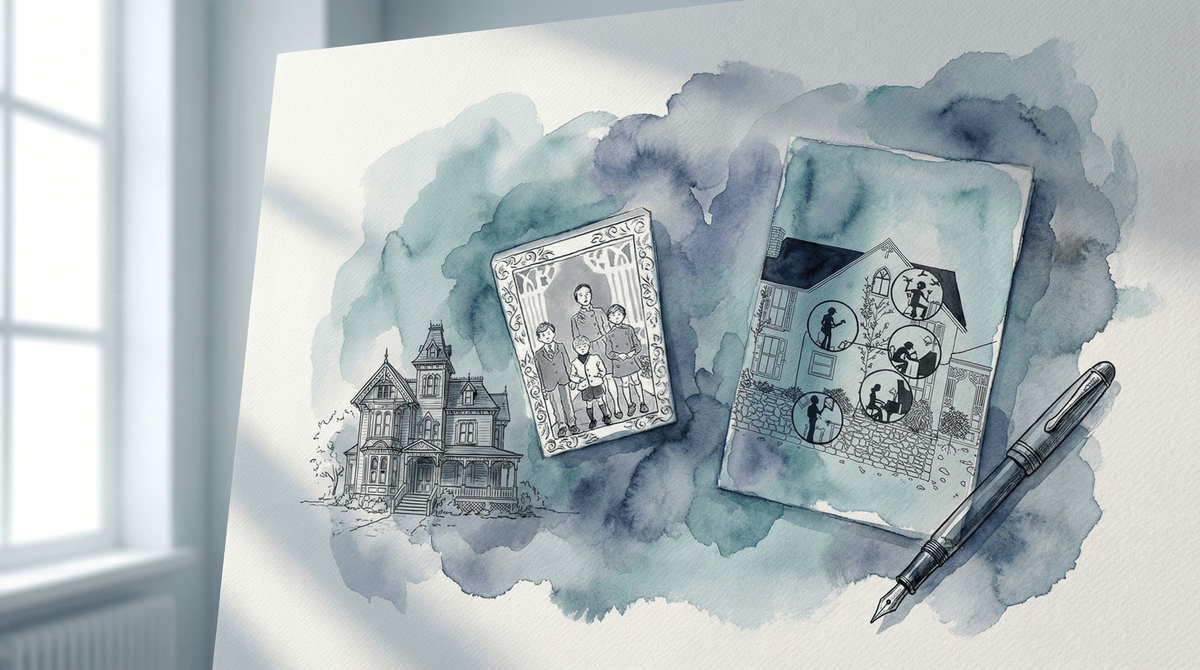
Bechdel’s father treated his Victorian house like a museum and his family like stagehands. He was obsessive, exacting, and often cold. The book’s power lies in how it mirrors her own coming-out process with the discovery of his secret life. It’s a "tragicomic" because the timing is almost scripted: she comes out in college, only to learn her father was also gay, right before he dies in a manner she is convinced was suicide.
Why the "Adult" Label Sticks
We don't label this 17+ just because of the "gay themes." It’s because the book deals with the gray areas of human behavior that younger teenagers often lack the context to process. The snippets mention "statutory relationships" and "emotional abuse." Bruce Bechdel was a complicated man who did questionable, sometimes illegal things.
Alison Bechdel doesn't provide a tidy moral takeaway or a "villain" to hate. She offers a nuanced look at a man who was trapped by his era and his own temperament. If you have a high school senior or a college student interested in memoir or social history, this is an essential text. It’s a look at the cost of the closet and the way family trauma can be passed down like an heirloom.
How to Approach It
If your teen is a fan of high-brow literary fiction or is starting to explore LGBTQ+ history, this is a cornerstone work. It’s been a finalist for the National Book Critics Circle Award for a reason—it changed the way people view the entire medium of comics.
Don't hand this to a kid who just wants a "relatable" story about coming out. Hand it to the kid who wants to see how a writer reconstructs a life from fragments of letters, old photos, and literary ghosts. For a more granular look at how to navigate these specific conversations, our parent's guide to Fun Home breaks down the most challenging chapters. This is a book that demands a conversation afterward, mostly because there are no easy answers to the questions Bechdel poses about her father.