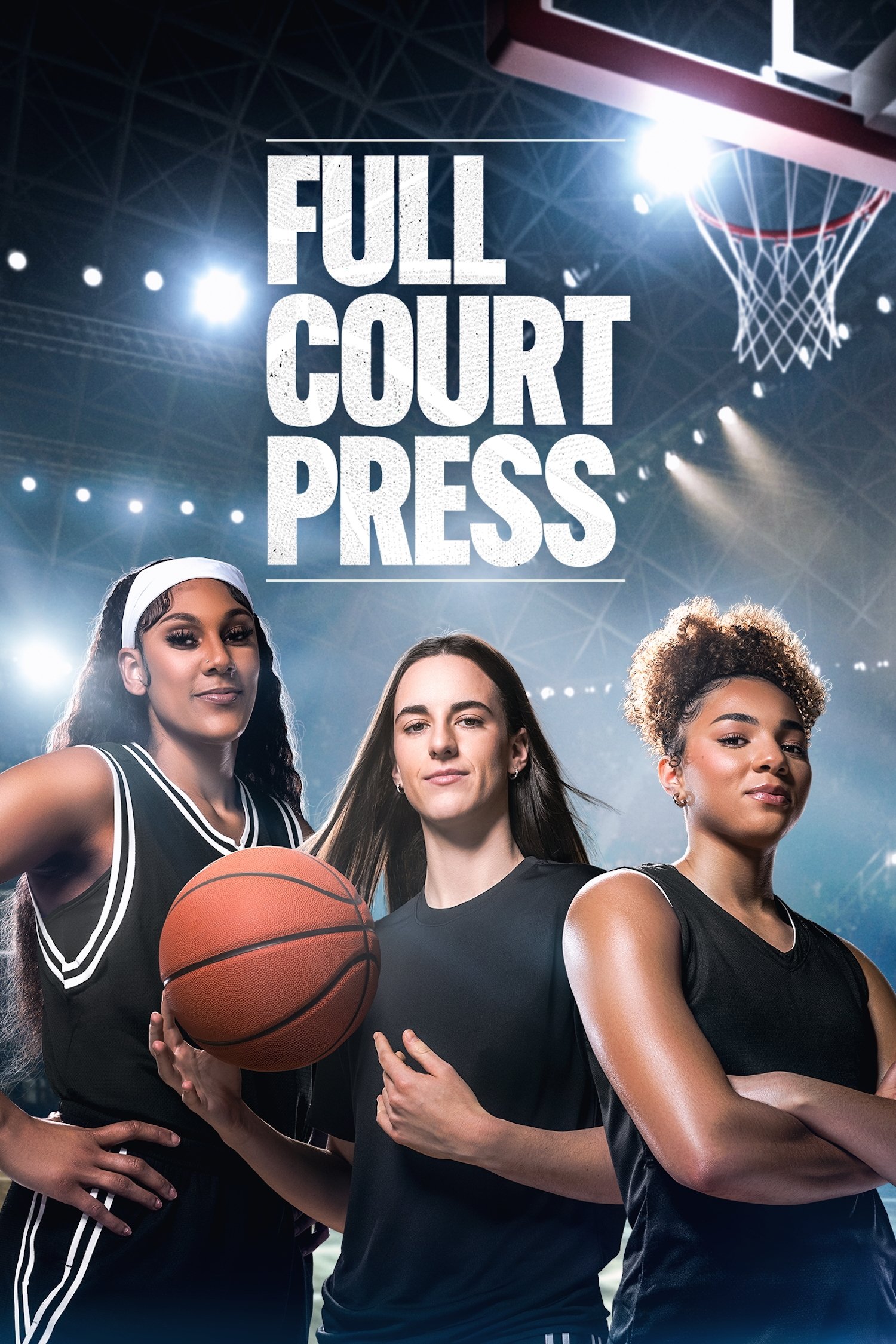
The "The Last Dance" for a new generation
If you’ve spent any time watching sports documentaries, you know they usually fall into two camps: the sanitized PR puff piece or the retrospective "look how great I was" victory lap. Full Court Press manages to be neither. Because it was filmed in the eye of the storm—right as Caitlin Clark was obliterating scoring records and women’s basketball was moving from the "sports" section to the "front page" section—it feels urgent.
It’s easy to look at the 8.4 IMDb score and assume it’s just fans cheering for their favorites. But the show earns that rating by being surprisingly raw. We see the exhaustion of the travel, the weight of the "Caitlin Clark Effect" on her teammates, and the literal blood and sweat required to stay at the top. For a kid who only sees the three-pointers and the Nike deals, seeing the grind of a Tuesday practice or a quiet moment of doubt in a locker room is the reality check they actually need.
Beyond the highlights
While the media focus is often on the scoring, the real heart of the series is the contrast between the three leads.
- Caitlin Clark is the engine, dealing with a level of fame that looks genuinely suffocating at times.
- Kamilla Cardoso provides the emotional backbone, reminding us that elite athletes are often kids who made massive sacrifices—like moving across the world at 15—to be there.
- Kiki Rice represents the "next," showing what it’s like to be the top recruit at a powerhouse like UCLA with the world expecting you to be the next legend before you’ve even finished your sophomore year.
If your kid is obsessed with the technical side of the game, this is a great companion to our guide on Hoops on Screen: The Parent’s Playbook for Basketball Movies & Games. It helps bridge the gap between playing a video game and understanding the actual physics and psychology required to play at an elite level.
The "F-Bomb" in the room
You’ll see that 17+ rating from some outlets and might hesitate. Here’s the deal: the rating is almost entirely due to authenticity. This isn't a scripted drama where the writers are trying to be edgy; it’s a mic’d-up look at world-class competitors in high-stakes moments. When a player misses a game-winning shot or a coach is trying to wake up a lethargic defense, they aren't saying "gosh darn it."
If you’re okay with your kid hearing the kind of language they’d hear if they sat three rows behind the bench at a pro game, you’ll be fine. The "spiciness" is a byproduct of the show's greatest strength: it doesn't treat these women like delicate role models. It treats them like warriors.
Why it hits differently in 2026
Watching this two years after it premiered adds a layer of "I knew them when" energy. We now know where these draft picks landed and how they changed the professional league. Seeing them in their final college chapters—dealing with the exact pressures that forged them into the pros they are today—makes this the definitive origin story for the current era of basketball. It’s the rare sports doc that gets better the more we know about the players' eventual careers.