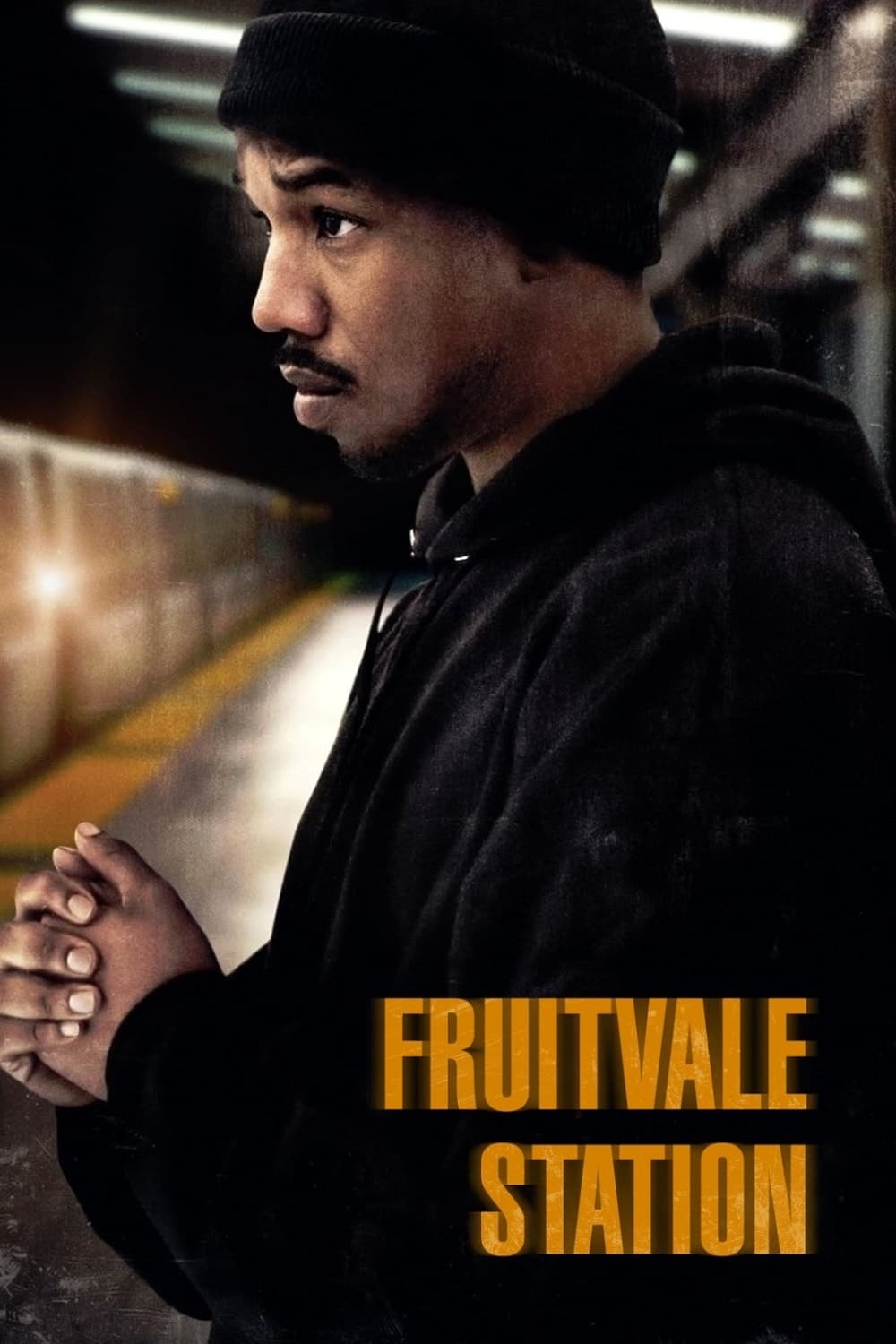
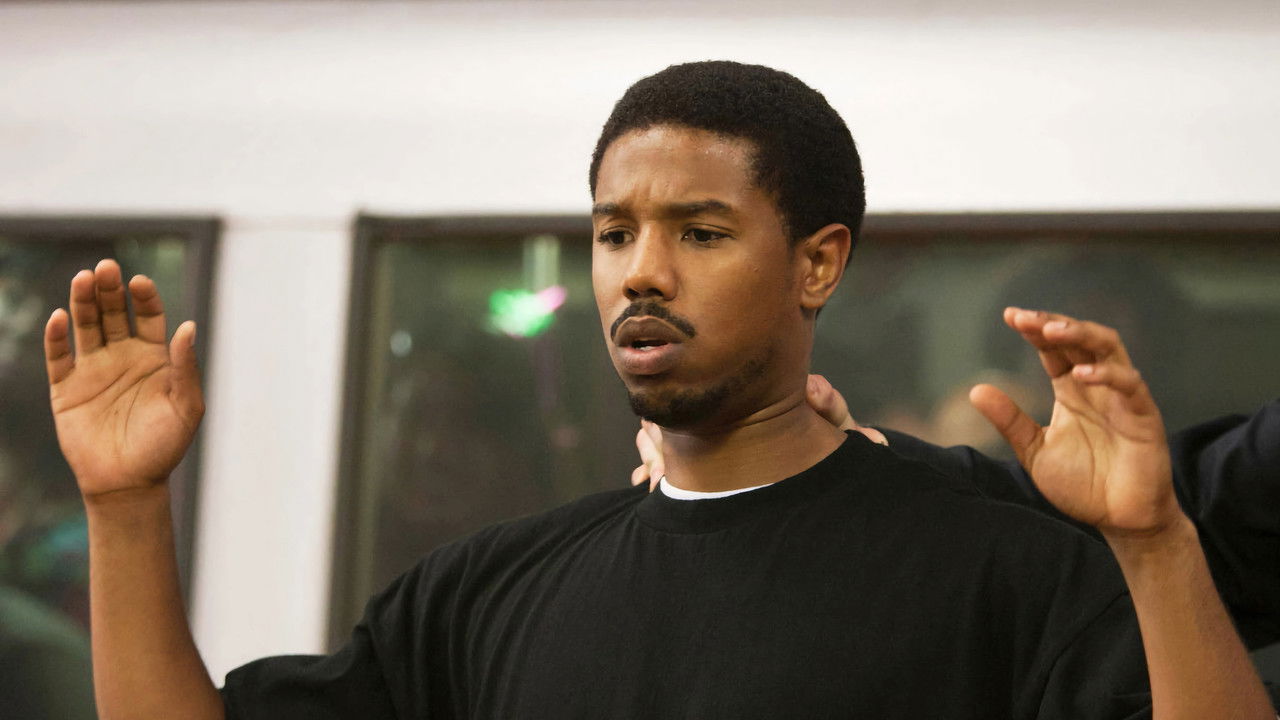
If you’ve spent the last decade watching the massive blockbusters these two have churned out, seeing the early collaboration between the star of Creed and the director of Black Panther is a trip. By now, in 2026, we’re used to their polished, high-budget spectacle. Fruitvale Station is the opposite. It’s raw, handheld, and feels almost uncomfortably intimate. It’s the cinematic equivalent of a gut punch you see coming from a mile away but can’t do anything to stop.
The Coogler/Jordan "Origin Story"
Before they were redefining what a superhero movie could be, this duo was making a $900,000 indie film that felt like a documentary. If your teen is a fan of the Ryan Coogler effect and the way he handles heavy themes of legacy and identity, they need to see where it started.
Michael B. Jordan’s performance here is what put him on the map. He doesn’t play Oscar Grant as a saint or a martyr. He plays him as a guy who forgets to call his mom back, who lies to his girlfriend, and who is genuinely trying to stop selling weed so he can be a better father. Because the film makes him so human, the ending doesn't just feel like a news report. It feels like a personal loss. If you've been following the Michael B. Jordan movie guide, you know he’s great at playing characters with a chip on their shoulder, but this is the most vulnerable he has ever been.
The "Boring" Parts Are the Point
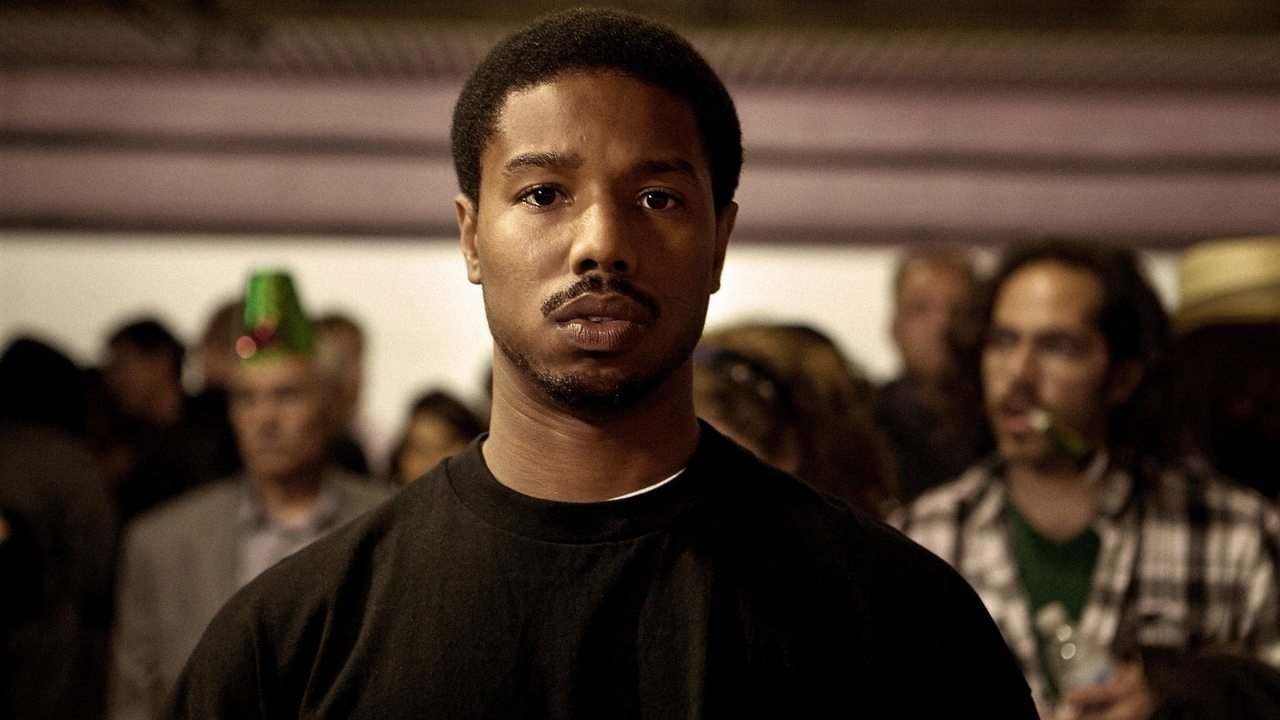
Most movies about police violence focus on the courtroom drama or the riots that follow. This movie ignores all of that. Instead, it spends 80 minutes on the mundane stuff: a grocery store interaction, a phone call to a grandmother, a New Year’s Eve party.
For a 17-year-old, these scenes might feel slow at first. But stay with it. Coogler is intentionally building a "ticking clock" feeling. You know how the story ends because it’s based on real events from 2009. Every time Oscar makes a plan for the next day, it hits like a ton of bricks because you know he’s never going to see that day. It’s an exercise in empathy that a textbook just can’t replicate.
Why It’s Better Than a History Lesson
We talk a lot about "media literacy" and "social justice," but those terms can feel like homework. This film is a visceral experience. It’s one of the most effective black history movies about activism and justice because it doesn't start with an activist; it starts with a person.
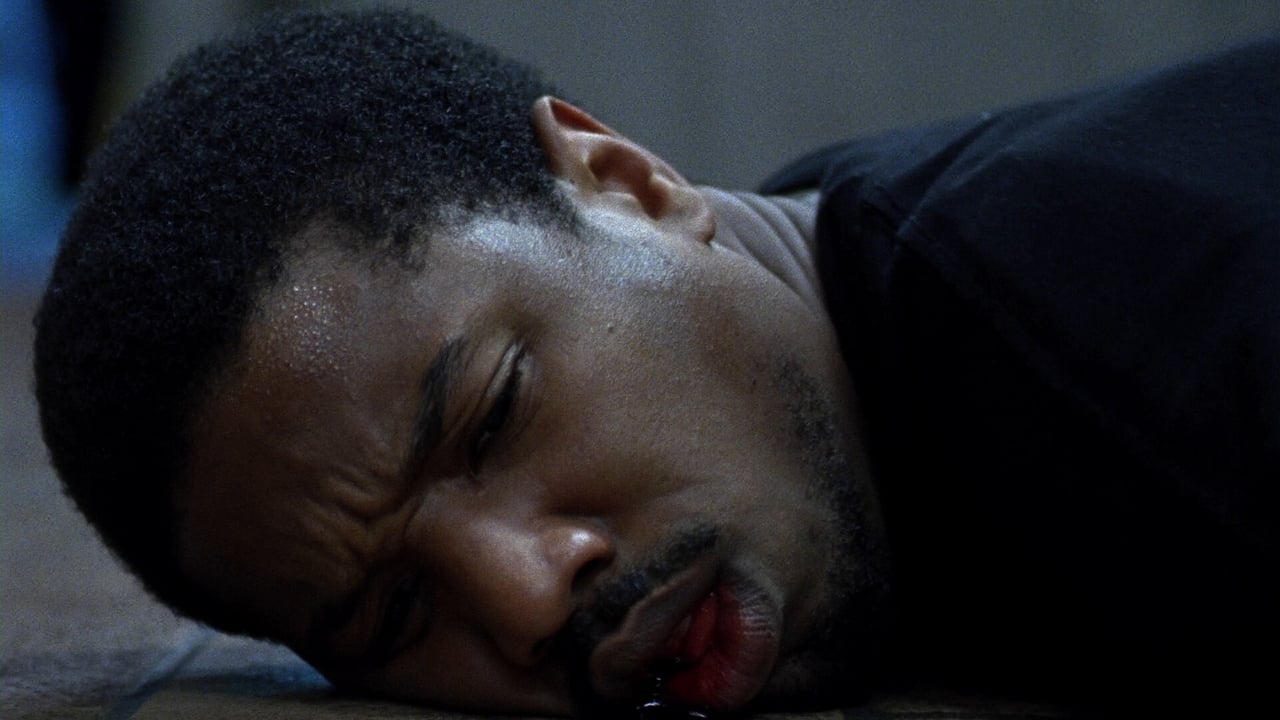
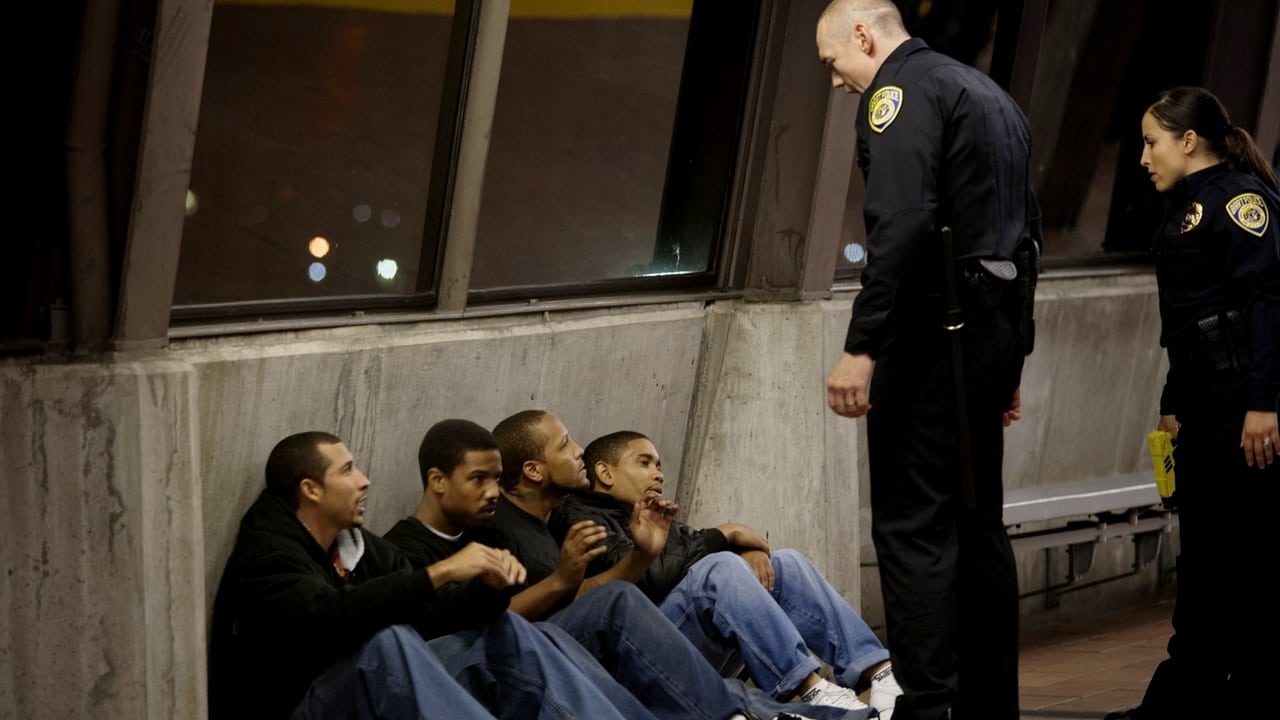
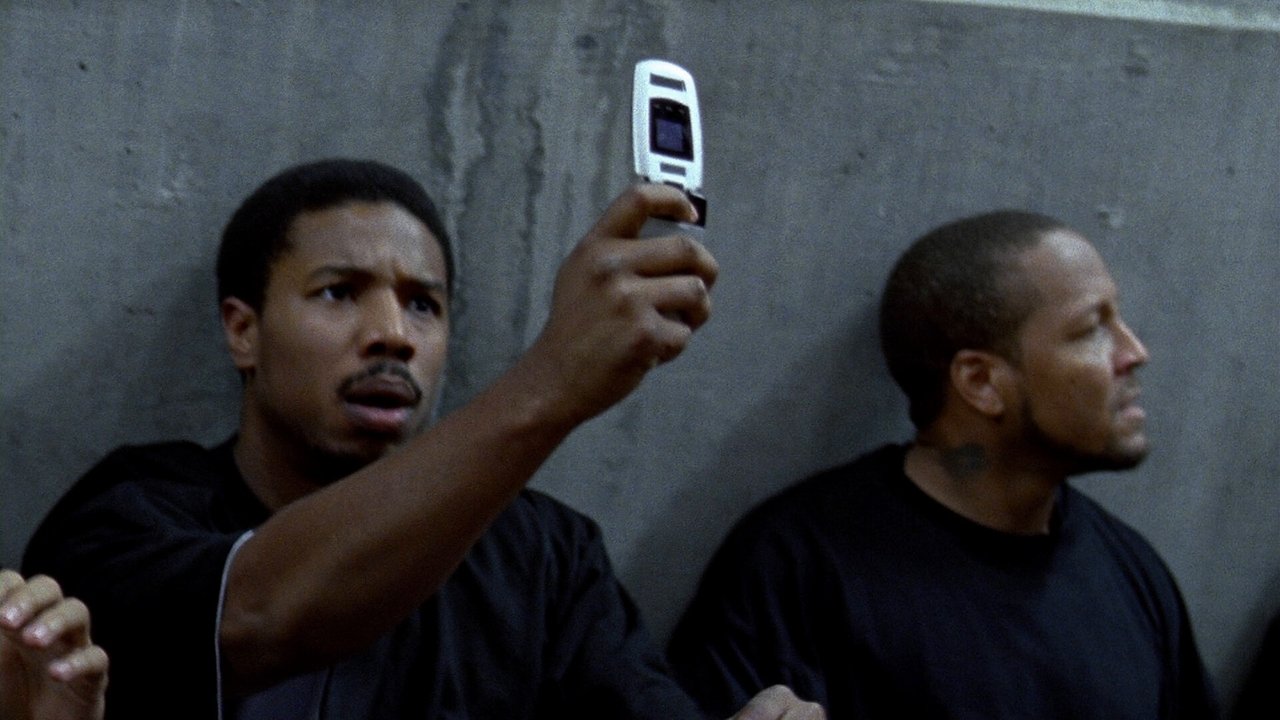
The friction in the film comes from the small, messy moments of Oscar’s life. There’s a scene involving a dog at a gas station that is arguably the most emotional part of the movie, and it has nothing to do with the police. It’s there to show Oscar’s capacity for care. By the time you get to the platform at Fruitvale Station, the "politics" of the situation have been stripped away, leaving only the tragedy of a life cut short.
Don't expect a "fun" movie night. This is a "sit in silence for ten minutes after the credits roll" movie night. If your teen is ready for that, it’s a vital watch.