More than just a thirst trap
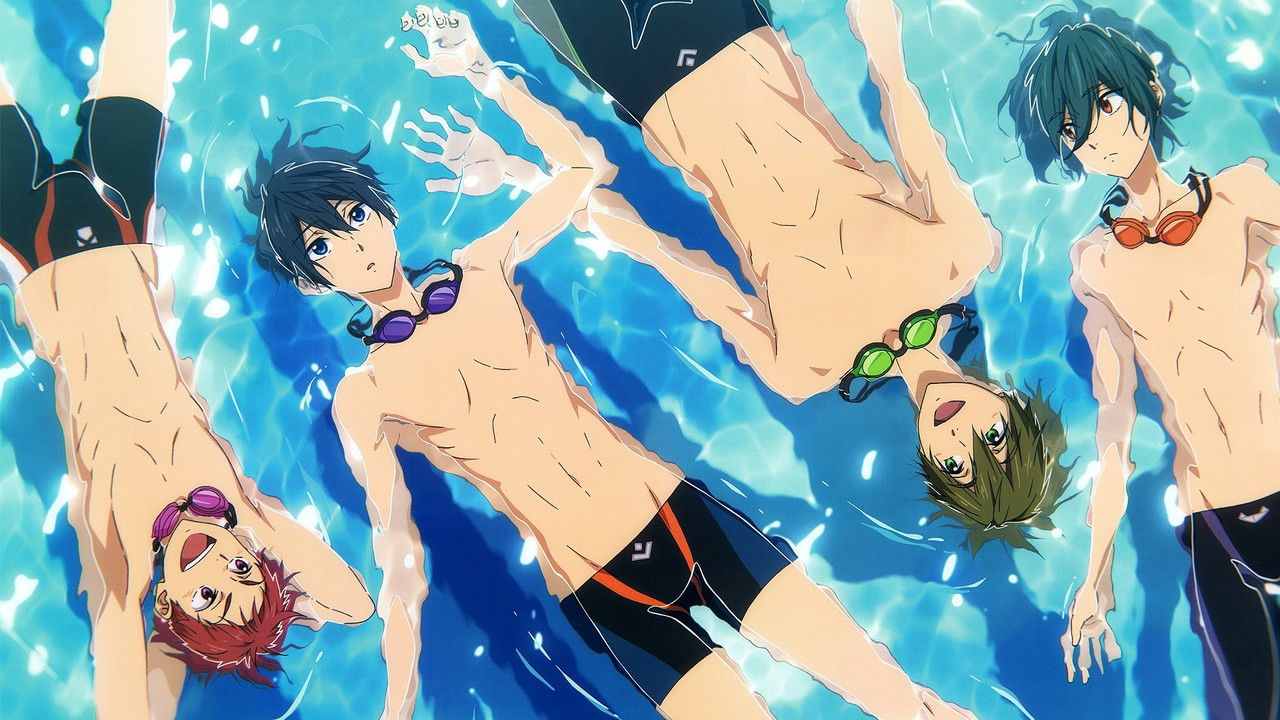
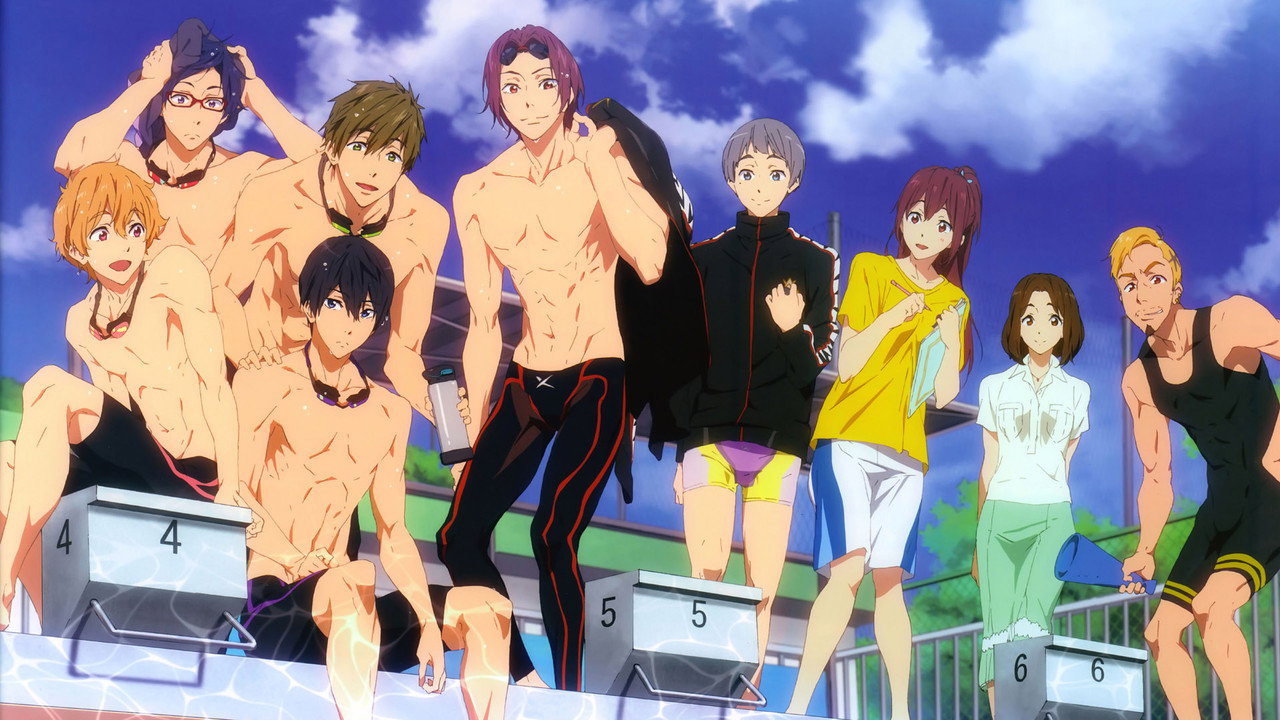
If you’ve spent any time in anime circles, you’ve probably heard Free! dismissed as "the one with the shirtless guys." While that’s not factually incorrect—the show definitely knows its audience and spends a significant amount of time admiring the male physique—writing it off as shallow fanservice misses why it has stayed relevant for over a decade.
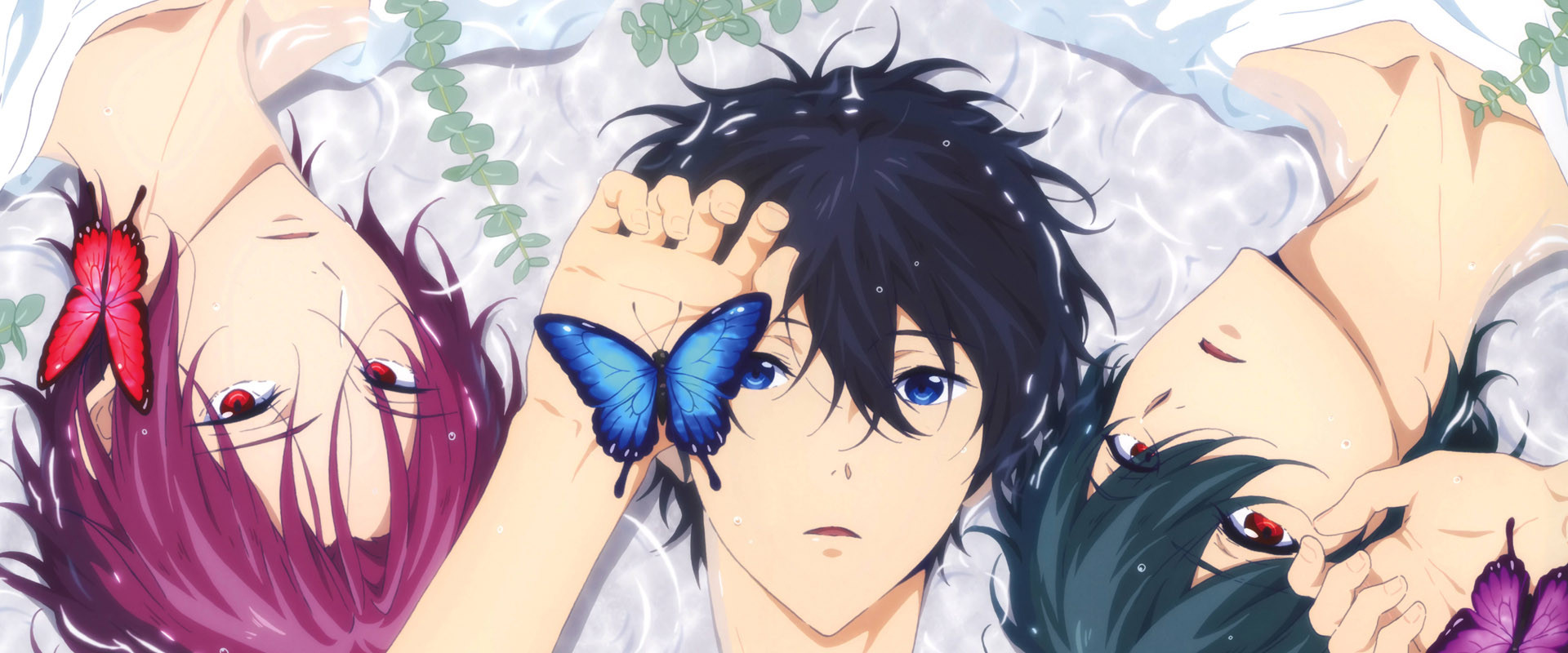
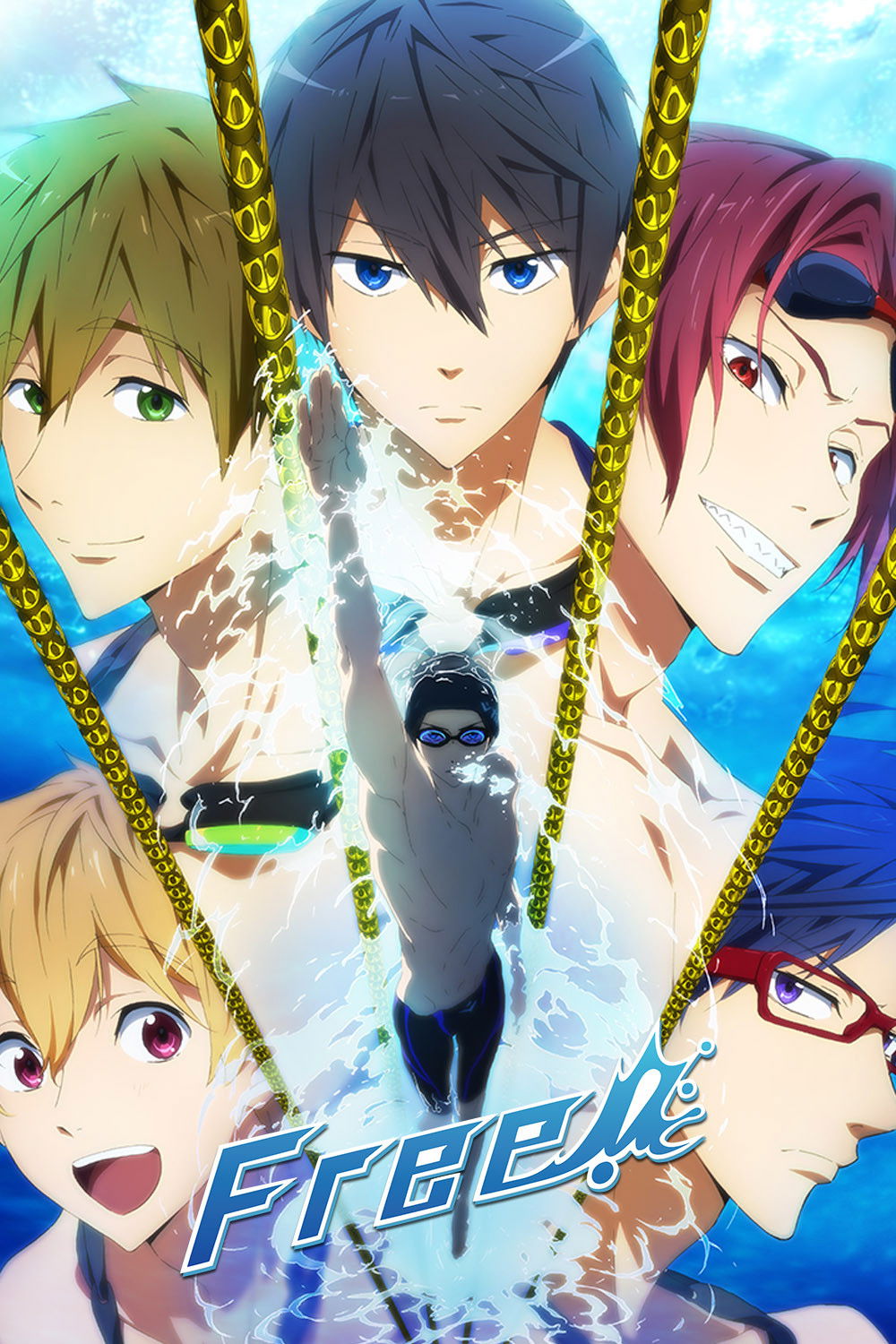
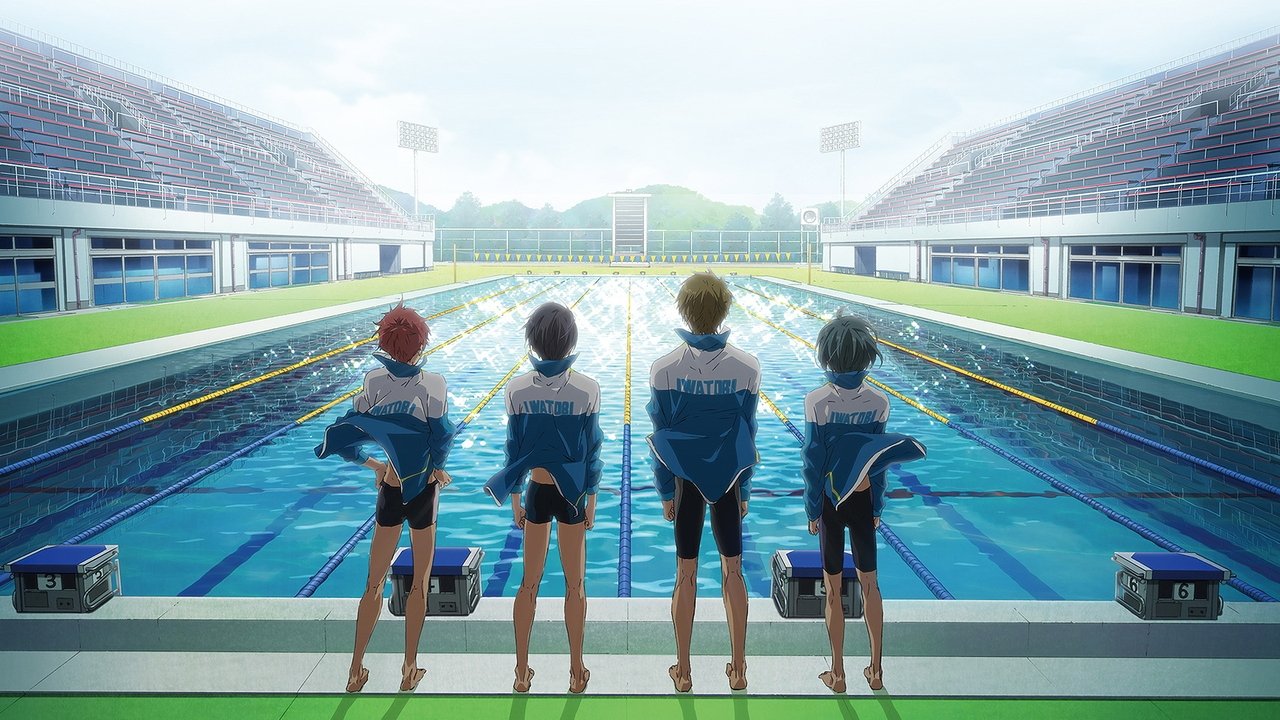
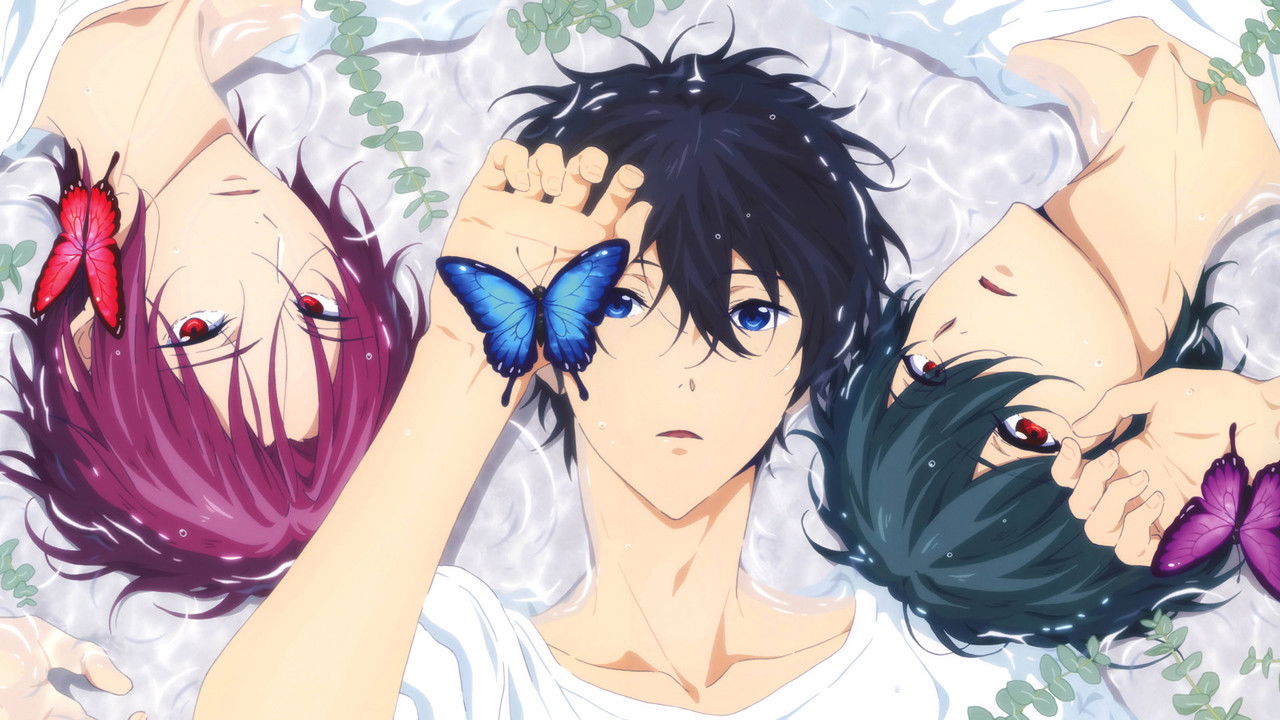
The animation is the first thing you’ll notice. The water doesn't just look like water; it looks like a high-budget commercial for luxury bottled minerals. Every splash and ripple is rendered with a level of detail that puts most modern series to shame. For a kid who is into art or animation, this is a masterclass in how to use light and movement to create a specific mood. It’s gorgeous to look at, even if you couldn't care less about competitive swimming.
The "Spokon" spectrum
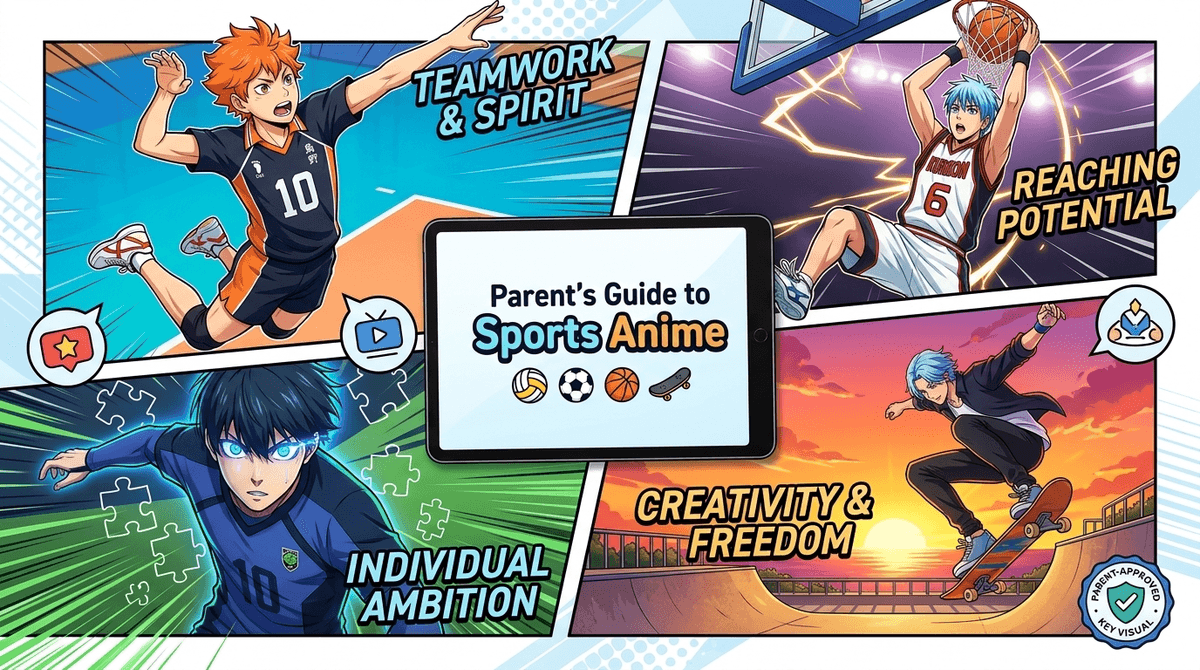
In the world of sports anime (often called spokon), shows usually fall into two camps: the "superpowered" ones where teenagers basically have magic abilities, and the "grounded" ones that focus on teamwork and grit. If you’re trying to figure out where this fits in the wider world of The Parent’s Guide to Sports Anime: From Wholesome Teamwork to ‘Blue Lock’ Intensity, think of it as the emotional middle ground.
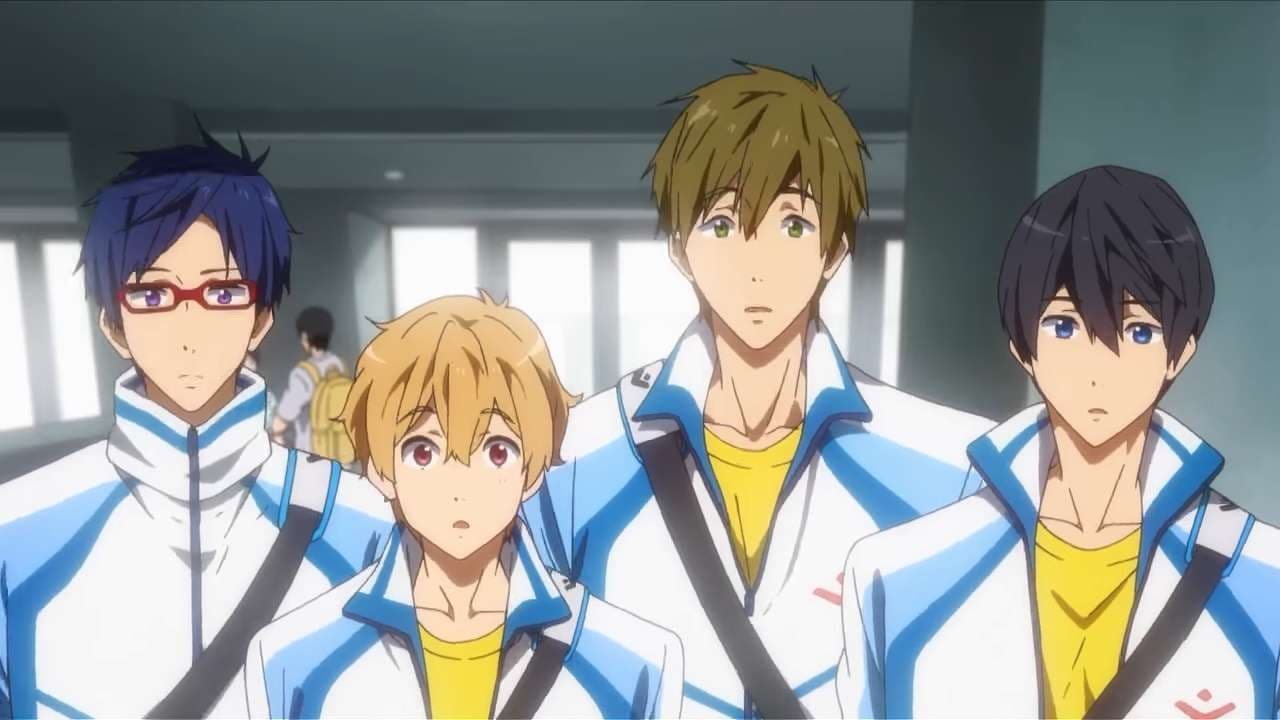
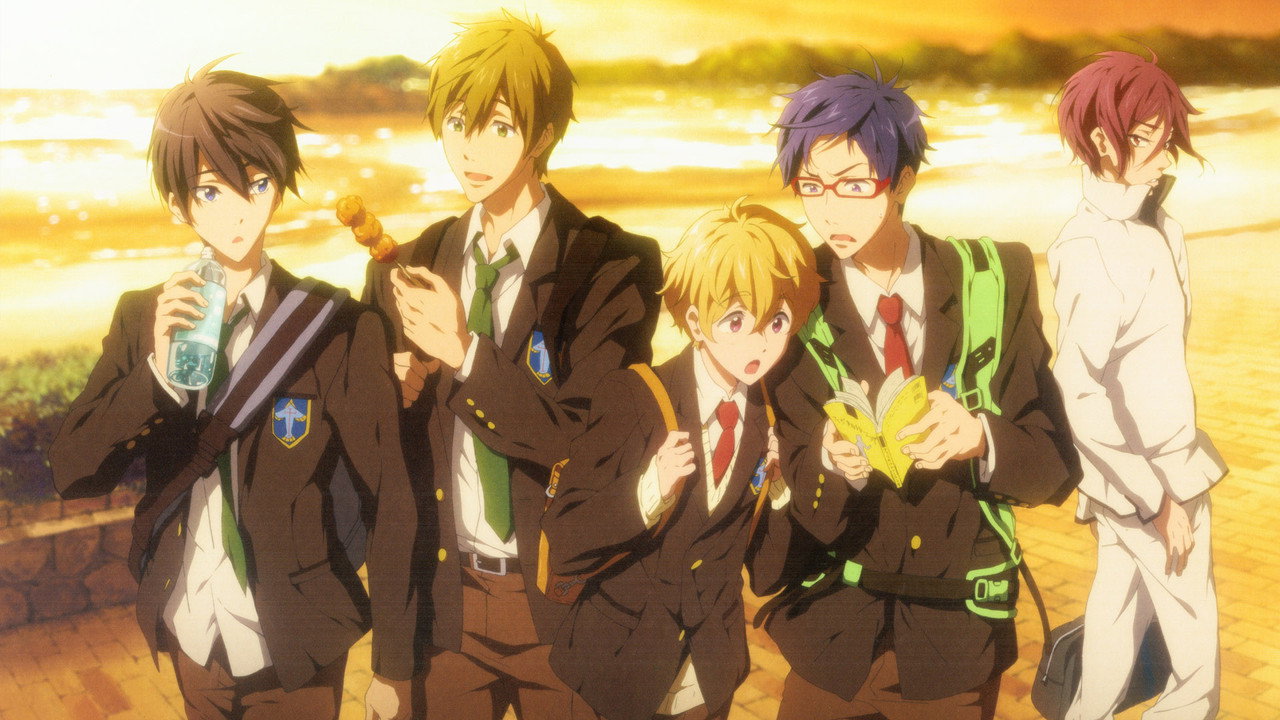
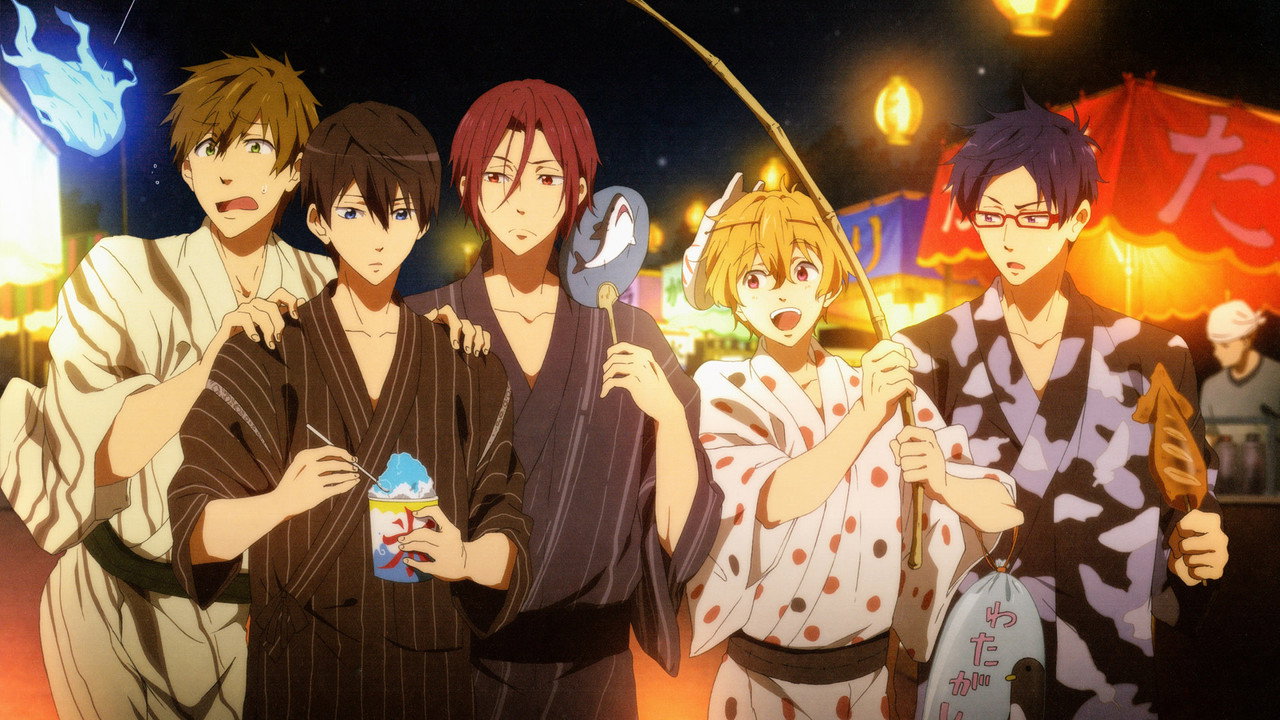
It isn't about winning at all costs or becoming the best in the world. It’s about the specific friction that happens when childhood friends grow up and realize they don't want the same things anymore. Haru swims because he wants to feel the water; Rin swims because he wants to prove he’s a champion. That clash is the engine of the show. If your kid liked the team dynamics of something like Haikyu!! but wants something with a bit more "theatre kid" energy and interpersonal drama, this is the move.
Navigating the teen angst
The show is a quick watch—only 12 episodes in the first season—but it packs in a lot of heavy emotion. The rivalry between Haru and Rin can feel incredibly intense, bordering on melodramatic. There are moments where the characters are so caught up in their own "emotional baggage" (as the reviews put it) that the actual swimming takes a backseat.
This is actually a great feature for middle schoolers. At 11 or 12, social lives start feeling like high-stakes drama, and seeing boys on screen who are allowed to be vulnerable, frustrated, and deeply connected to their friends is a breath of fresh air. It moves past the "predictable" sports tropes by making the victory about fixing a friendship rather than just touching the wall first.
A note on the "fanservice"
Let's be real: you are going to see a lot of triceps. The show is very intentional about its "lingering shots," but it never crosses into being inappropriate for the 10+ crowd. It’s stylized and aesthetic rather than crude. Think of it like a superhero movie where the camera spends an extra five seconds on the lead actor’s gym progress. It’s there, it’s part of the brand, and for most viewers, it’s just part of the show's polished, high-gloss charm. If your kid is already watching mainstream teen dramas, they’ve seen more suggestive content in a single episode of a CW show than they will in this entire series.