The "Walking Simulator" reality check
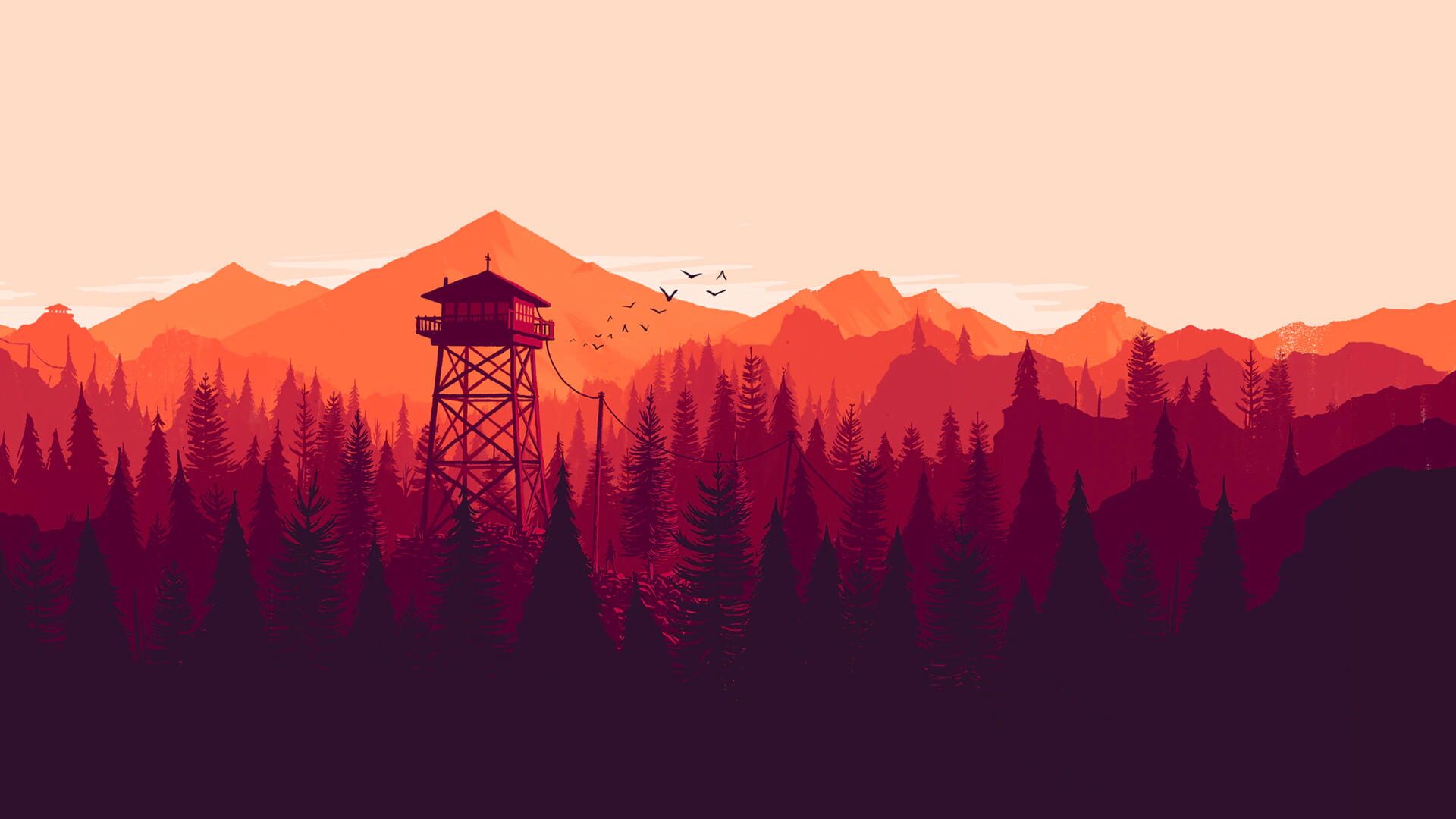
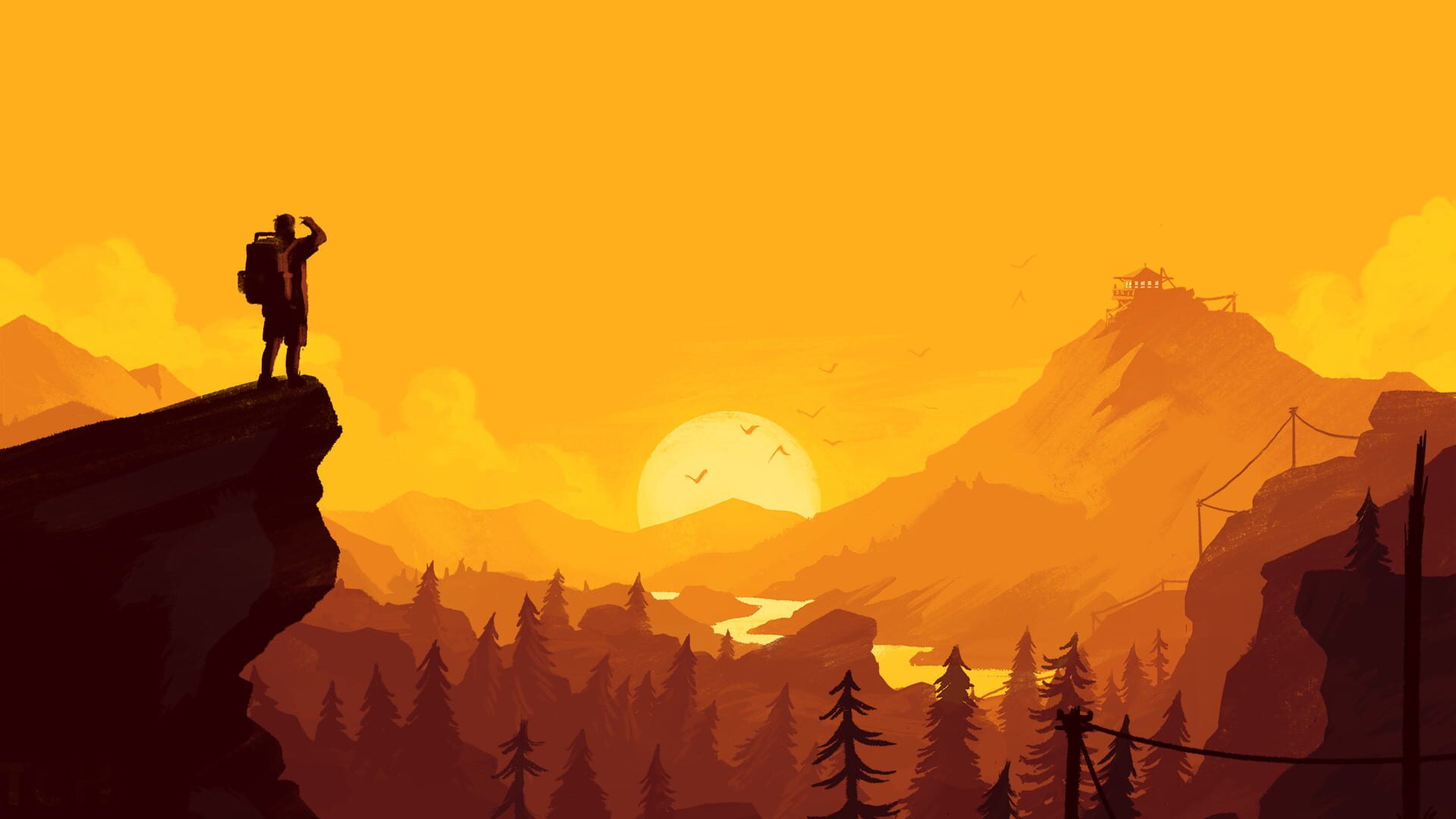
If your teen is used to the high-octane chaos of Call of Duty or the creative grind of Minecraft, Firewatch is going to feel like a massive change of pace. Critics often call this a "walking simulator," and while some use that as an insult, here it is a vibe. You spend most of your time navigating the Wyoming wilderness with a paper map and a compass. There is no combat, no leveling up, and no inventory management beyond picking up a few trash items or notes.
The game is essentially a playable novel. It leans heavily into the idea that story-based video games can be just as engaging as a summer blockbuster, provided you are willing to slow down. If your kid usually skips through dialogue to get back to the action, they will hate this. But if they are the type to get lost in a book or enjoy a slow-burn movie, the atmosphere here is unmatched.
A masterclass in voice and isolation
The entire game rests on the relationship between Henry and his supervisor, Delilah. You never see her face. You only hear her voice over the handheld radio. This mechanic is brilliant because it mimics the way many teens actually build relationships today: through screens and audio, separated by distance but emotionally intimate.
Because you are alone in the woods, every crackle of the radio feels like a lifeline. The writing is sharp, funny, and occasionally heartbreaking. It captures the specific way two adults flirt and deflect when they are both trying to avoid their real-world problems. It’s a great example of how interactive storytelling can build empathy by forcing you to inhabit someone else's headspace. Henry isn't a blank slate hero; he's a flawed guy in his 40s making questionable choices, and the game asks you to live with those choices.
The mystery bait-and-switch
There is a specific friction point parents should know about: the ending. For the first three hours, Firewatch feels like it’s building toward a massive government conspiracy or a supernatural thriller. There are creepy notes, cut wires, and the feeling of being watched.
However, the game eventually pulls the rug out from under you. It reveals that the "mystery" is often just a product of Henry and Delilah’s own paranoia and desire for drama to distract them from their depressing lives. Some players find this ending deflating. I’d argue it’s the most honest part of the story. It’s a game about the realization that you can’t actually run away from yourself, no matter how deep into the woods you go.
Where it fits in the rotation
If you are looking for nonviolent PS4 games that still feel "adult," this is near the top of the list. It’s short, clocking in at around four or five hours, which makes it perfect for a rainy weekend.
Don't expect your teen to come away from this "hyped." Expect them to come away a little quiet. It’s a heavy experience that deals with the reality of dementia and the messiness of marriage. It’s the kind of game that proves the medium has grown up, even if the characters in the story haven't quite managed to do the same.