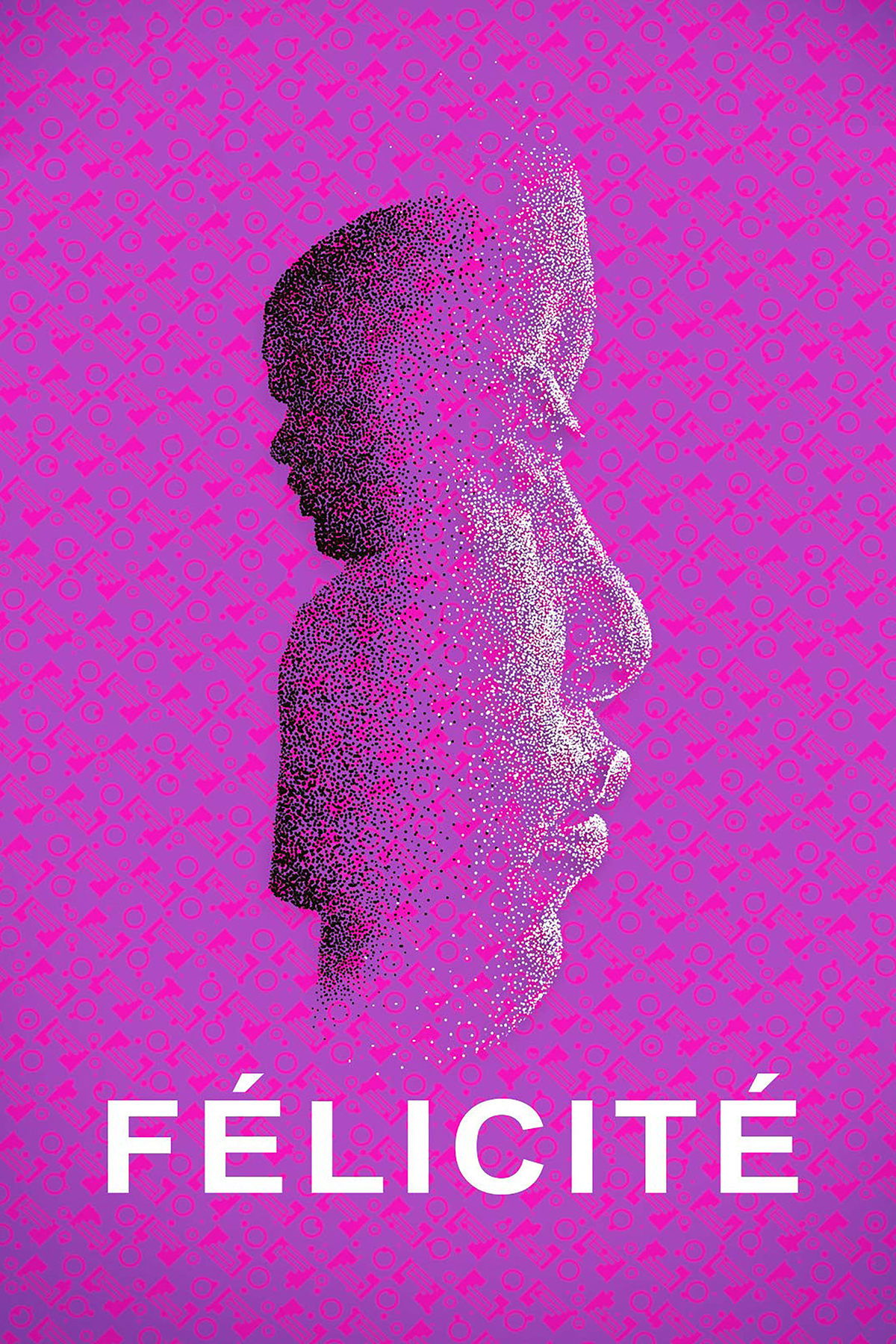
A Different Kind of Heroine
Félicité doesn't ask for help, and she doesn't perform her grief for the camera. She is a singer who works in a bar, and when her son is hospitalized after a motorcycle accident, she is forced into a desperate search for money in a city that doesn't care if she succeeds. This isn't a movie about a 'victim'; it's a movie about a woman with a spine of steel.
The Sound of Kinshasa
The film is structured around music. You have the raw, distorted traditional-meets-modern sound of the Kasai Allstars in the bars, contrasted with the Kinshasa Symphony Orchestra performing Arvo Pärt. It creates this duality between the frantic, dusty streets and a more interior, spiritual world.
If you're watching this with a teen, it’s worth talking about the 'dream' sequences. The director, Alain Gomis, uses these to show Félicité’s internal state when the external world becomes too much to bear. It’s a great entry point into discussing how movies can use more than just dialogue to tell a story.
Real-World Stakes
Unlike many films set in Africa that focus on war or famine, Félicité focuses on the everyday struggle of the working class. The friction comes from the healthcare system, the cost of a bribe, and the social dynamics of the neighborhood. It’s a grounded, realistic perspective that is often missing from mainstream media, making it an excellent choice for families looking to broaden their cultural horizons beyond the Hollywood bubble.