The "Low-Stakes" Appeal
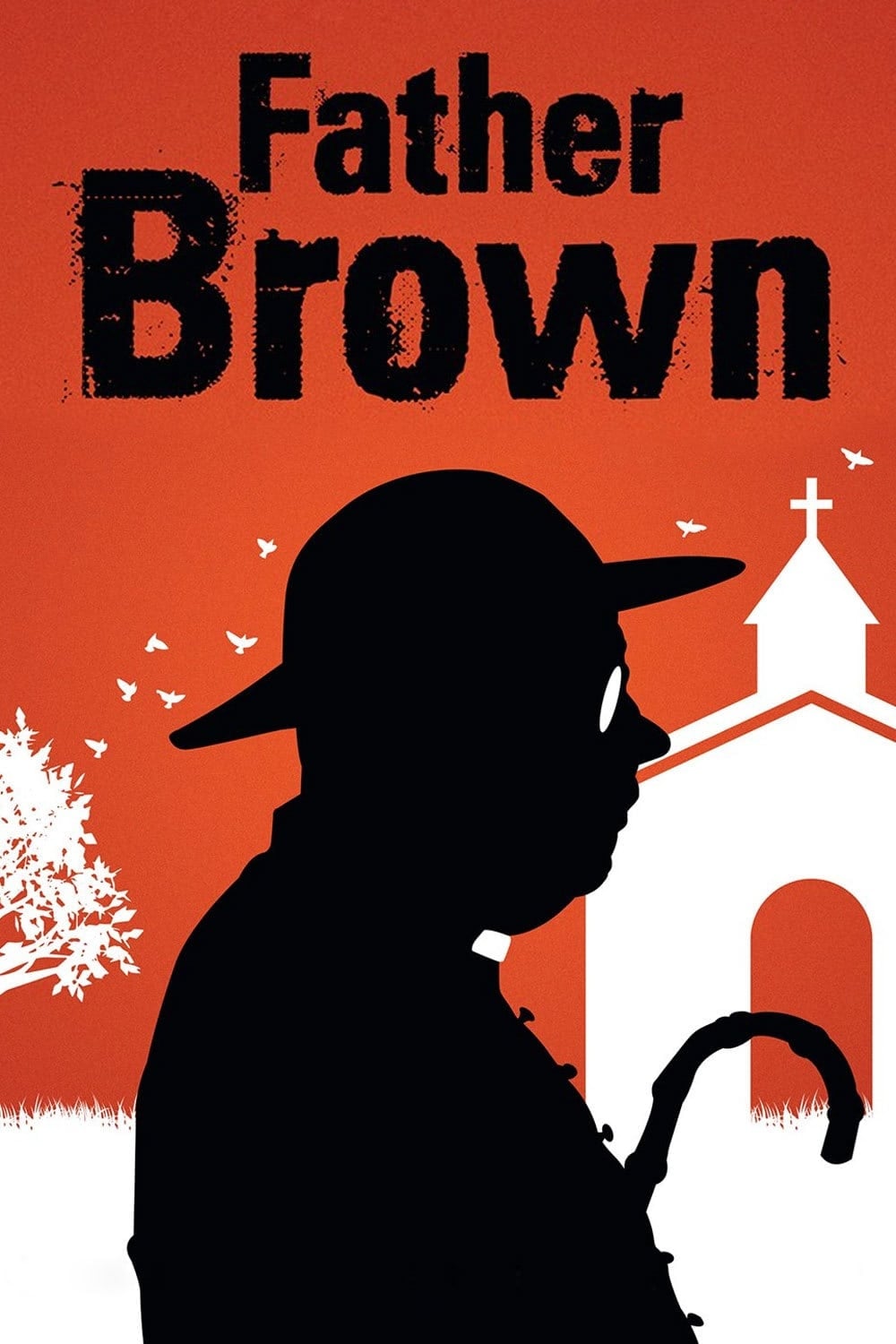
If your kid is used to the high-octane chaos of modern streaming hits or the snark of recent teen dramas, Father Brown is going to feel like it’s moving through molasses. That is precisely its superpower. In a media landscape where every mystery involves a traumatized detective with a dark past and a drinking problem, this show is a radical outlier. It’s the ultimate "wind-down" content.
The 1950s Cotswolds setting is basically a character itself—all rolling green hills, stone cottages, and vintage bicycles. It creates a buffer between the viewer and the crime. Even though every episode centers on a murder, the show feels remarkably safe because it prioritizes the "whodunnit" puzzle over the "how-gross-was-it" spectacle. If you have a kid who gets nightmares from the visual intensity of modern crime shows but loves the intellectual challenge of a mystery, this is the sweet spot.
Logic Over Adrenaline
The lead character isn't a superhero or a genius-jerk in the vein of Sherlock Holmes. He doesn't look at a speck of mud on a boot and deduce a person's entire life story through a CGI montage. Instead, he solves crimes by understanding human nature. He’s a listener.
This makes the show a stealthy lesson in emotional intelligence. We see the detective navigate social hierarchies, hidden grudges, and the specific ways people lie when they're scared. For a middle-schooler, watching how he peels back the layers of a village scandal is a great exercise in deduction. It’s "fair play" mystery writing: the clues are usually there for the audience to see if they’re paying attention to the dialogue rather than waiting for a car chase.
The "Cozy" Comparison
Think of Father Brown as the gateway drug to the broader world of British "cozy" mysteries.
- If your kid enjoyed the ensemble-cast logic of Knives Out but found the language or tension a bit much, this is the lite version.
- If they’ve outgrown the animated logic of Scooby-Doo and want something that feels "adult" without actually being "mature," this fits.
- It shares DNA with Poirot or Miss Marple, but with a slightly more optimistic worldview.
The formula is rigid. You get the setup, the body, the red herrings, and the final confrontation where the priest explains everything. For some kids, this predictability is boring. For others—especially those who find the unpredictability of modern life or school stressful—that structure is exactly why they’ll keep coming back for ten seasons.
Navigating the "Priest" Factor
You don't need to be a religious family to "get" this show, but the Catholic element is the engine of the plot. The detective’s primary motivation isn't just seeing justice served; it’s the redemption of the killer. He’s often more interested in a confession and a change of heart than a handcuffs-and-jail-time ending.
This creates some genuinely interesting moral friction. He occasionally clashes with the local police because he’s willing to bend the rules of the law to satisfy the rules of his faith. It’s a great way to talk about the difference between what is legal and what is moral without it feeling like a Sunday school lesson. The show never feels like it's trying to convert the audience; it’s just using the lead’s vocation to give him a unique perspective on why people do bad things.