The "Zen" of heavy machinery
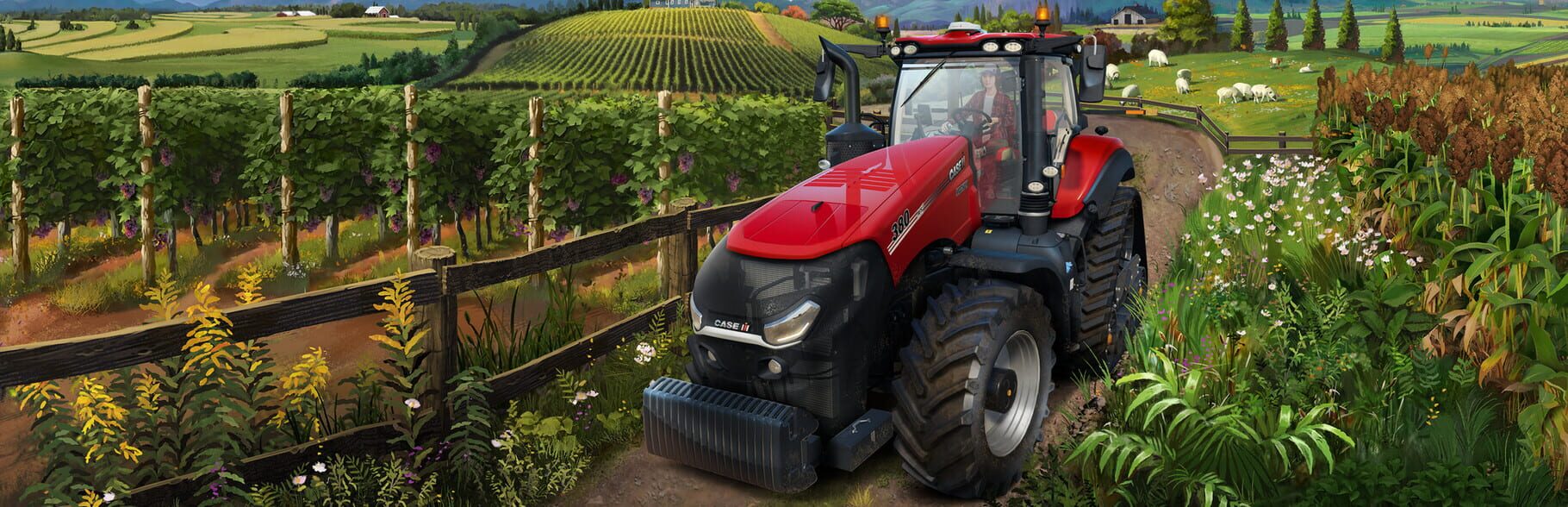
If your kid's idea of a good time involves staring at a construction site or memorizing the specs of a John Deere 8R, this is their Everest. While most games are trying to spike adrenaline with explosions or battle passes, Farming Simulator 22 is content to let you spend forty-five minutes slowly, methodically mowing a field of grass. It is the ultimate "slow gaming" experience.
The magic here isn't in the excitement; it’s in the autonomy. Giants Software has built a world where the stakes are low but the complexity is high. You aren't just driving a tractor; you’re deciding whether to sell your wheat now or wait to turn it into flour so you can eventually sell bread for a higher profit. It’s a business management sim wearing a very convincing pair of overalls.
The "Stardew" trap
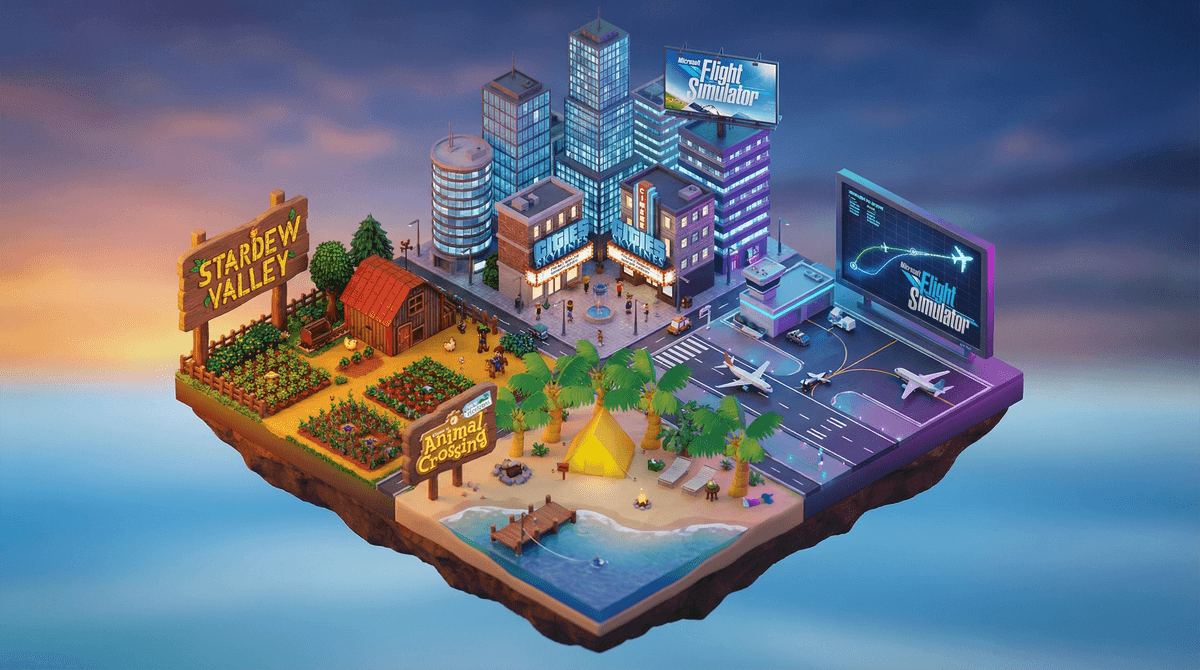
Parents often see "farming" and assume this is a 3D version of Stardew Valley or Animal Crossing. It isn't. Those games are about relationships and vibes; this is about logistics. There are no town festivals or secret mines here. If your kid liked the cozy social aspects of other sims, they might find this incredibly lonely.
However, if they’ve spent years in the Parent’s Guide to Roblox Pet Simulator 99 or similar "clicker" games, Farming Simulator 22 is a massive step up. It replaces the hollow dopamine loops of Roblox with actual systems thinking. Instead of clicking a chest to make a number go up, they have to figure out which attachment fits on which tractor and why the soil needs lime before the next planting cycle. It’s "work" in the best possible way.
Where the wheels come off
The biggest friction point for an eight or nine-year-old isn't the content—it’s the interface. The menus are dense. The icons for different crops and machine types aren't always intuitive. This is a game where you will likely spend the first three hours with a YouTube tutorial open on a tablet next to the console.
If you’re looking for more ways virtual worlds can actually teach something useful, our guide on Simulation Games for Kids: From Farm Life to Flight School breaks down how these titles bridge the gap between play and skill-building.
The production chain pivot
The "22" version of this franchise introduced production chains, which changed the game from a simple "harvest and sell" loop to a full-blown industrial empire. This is where the game gets its claws into older kids and teens. You aren't just a farmer; you’re a supply chain manager.
Watching a kid realize they can build a bakery and a tailor shop to maximize their income is a fascinating window into how they handle complexity. It’s not a game you "beat." It’s a game you inhabit. Just be prepared for the fact that a "quick session" is a myth here—you can't exactly pause a harvest mid-row when dinner is ready without losing your rhythm.