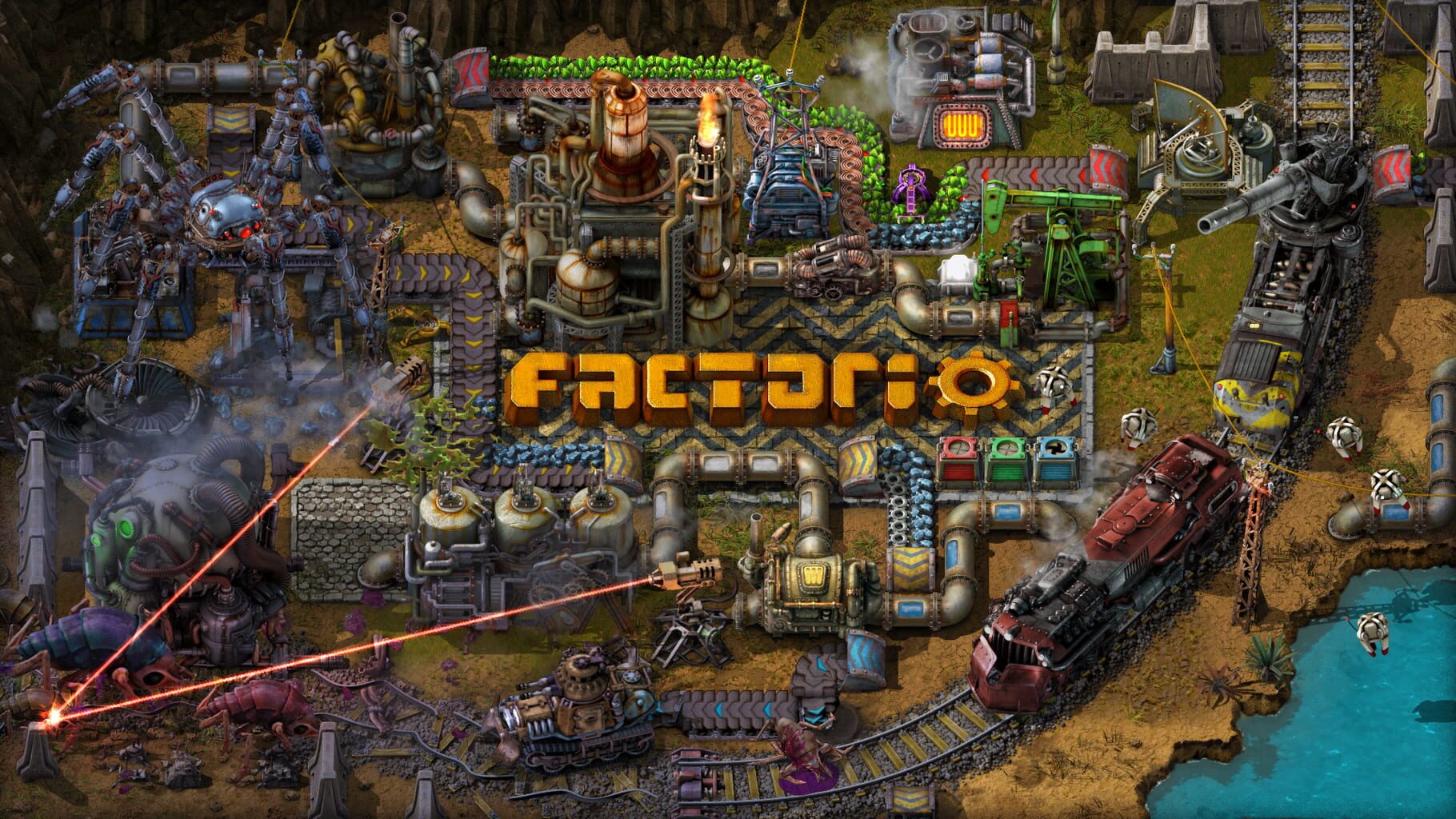
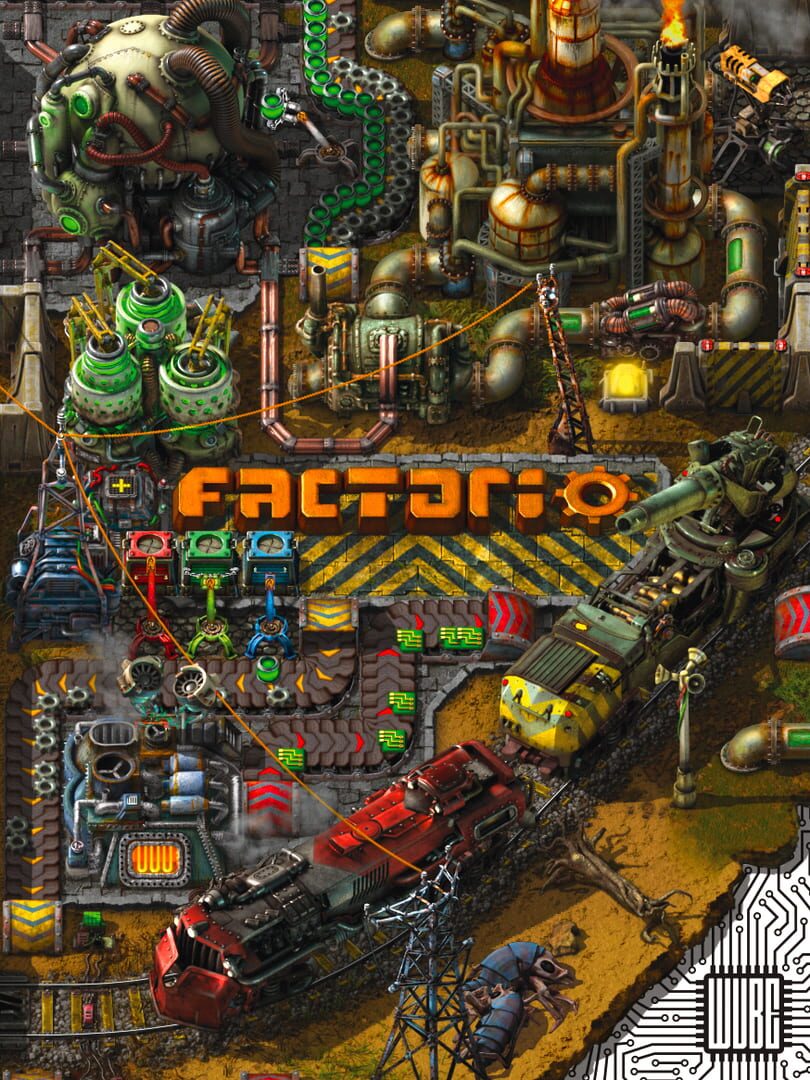
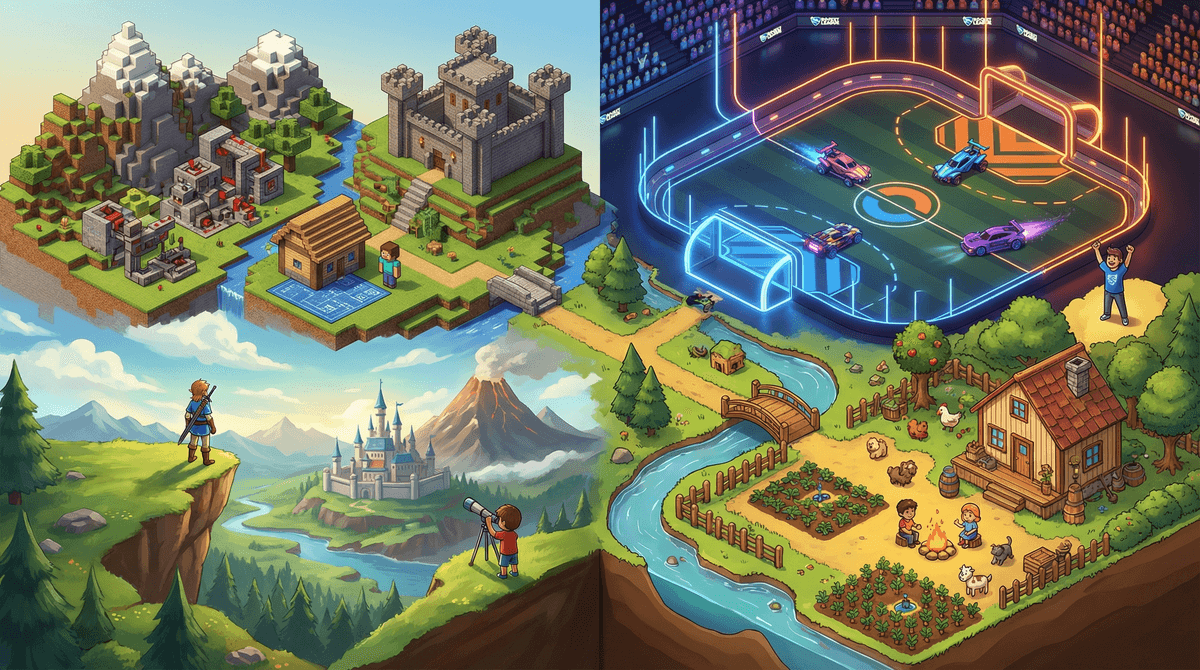
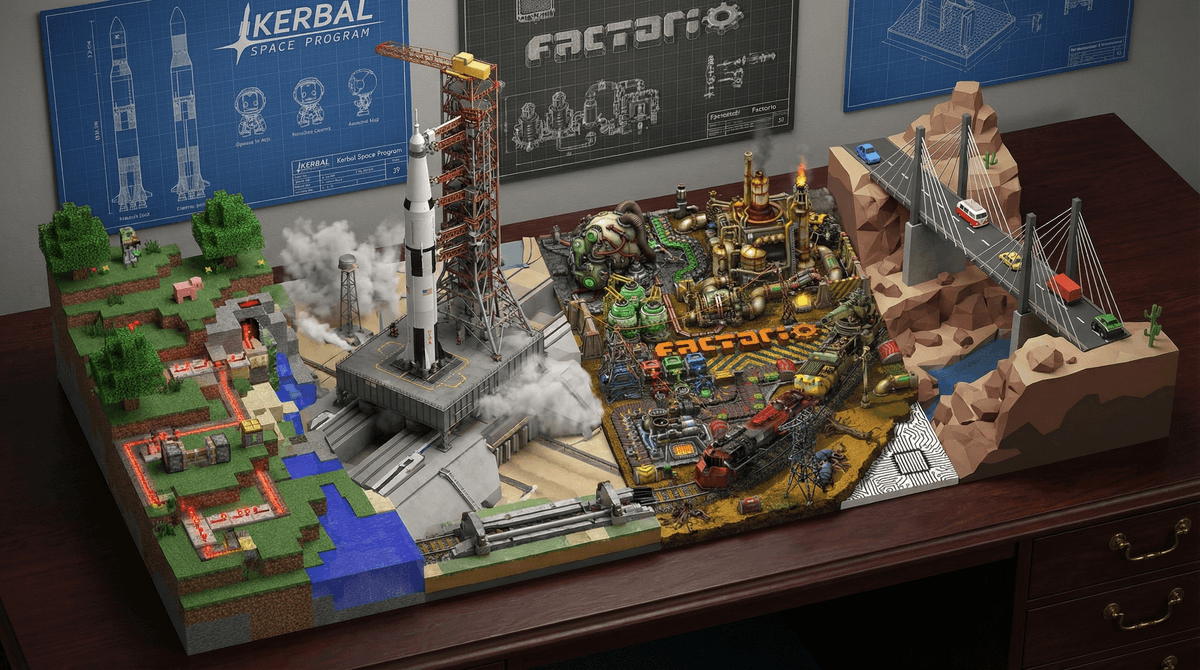
Factorio isn't just a game; it's a diagnostic tool for how your kid's brain handles chaos. While the graphics look like a 1990s satellite feed of an industrial park, the logic under the hood is more sophisticated than almost anything else on the market. If your kid spent their Minecraft years building automated pumpkin farms or complex Redstone doors, Factorio is the natural evolution.
It’s one of the best engineering learning games for kids because it doesn't "teach" in the traditional sense. There are no pop-ups explaining mechanical advantage. Instead, the game presents a problem—I need more iron gear wheels to build more conveyor belts—and lets the player fail until they find an elegant solution.
The "Spaghetti" Phase
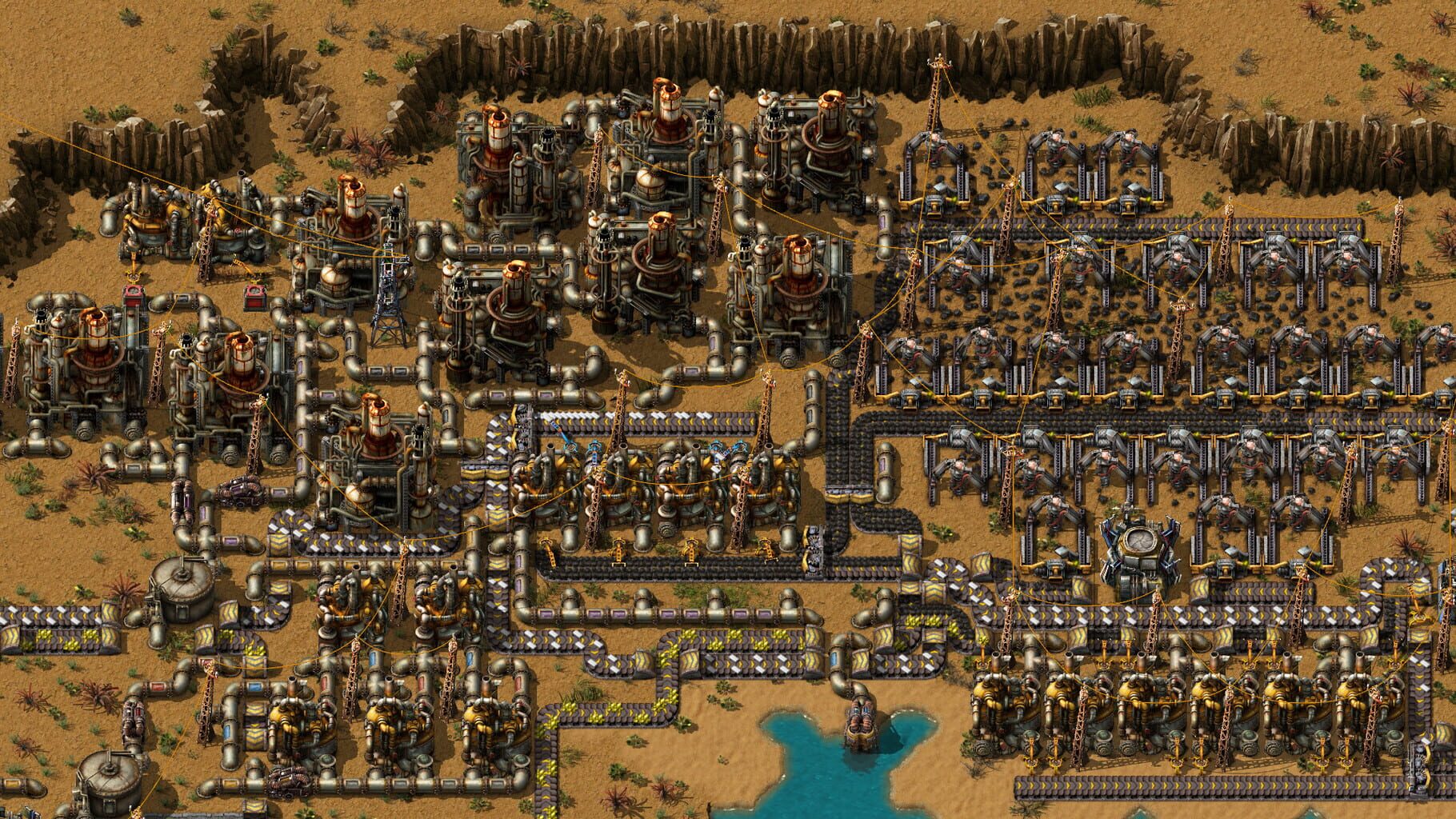
Every player starts in what the community calls the "spaghetti" phase. Conveyor belts cross over each other in a tangled mess of inefficiency. It's beautiful, frustrating, and eventually, unsustainable. This is where the real learning happens. To progress, your kid will have to learn how to refactor their work—tearing down something that "sort of works" to build something that works perfectly.
This is a masterclass in when gaming becomes educational vs. just entertainment. They aren't just clicking buttons; they're practicing the same iterative design process used by software engineers and logistics managers. When you see them staring at the screen without moving the mouse for five minutes, they aren't zoned out—they’re doing systems architecture in their head.
The "Peaceful Mode" Hack
The game’s primary "friction" comes from Biters—alien bugs that evolve and attack your factory as you produce more pollution. For some kids, the stress of a bug swarm destroying their hard-earned copper line is a great lesson in defense and resource allocation. For others, it’s a dealbreaker that causes a total meltdown.
If your kid is more of a "builder" than a "fighter," show them how to toggle "Peaceful Mode" or turn off enemies entirely during map generation. This transforms Factorio into a pure logic puzzle. It removes the time pressure and allows them to focus entirely on the engineering and problem-solving without the threat of their progress being eaten by a giant insect.
The Real Cost is Time
Wube Software has famously never put the game on sale, and they don't use any of the "freemium" garbage that plagues modern gaming. There are no daily login bonuses or loot boxes. However, the game is famously nicknamed "Cracktorio" for a reason.
The feedback loop is perfect. You fix one bottleneck, which reveals a second bottleneck, which requires a new technology, which requires more power. It is a virtuous cycle of "just one more belt." Because the game is available on everything from PC to Nintendo Switch, it's easy for it to bleed into every corner of their day. You don't need to worry about what they're seeing in the game; you need to worry about the fact that they’ll be mentally calculating belt ratios during Sunday dinner. Set a hard timer, because the game will never give them a "natural" place to stop.