The First Twenty Minutes vs. The Rest
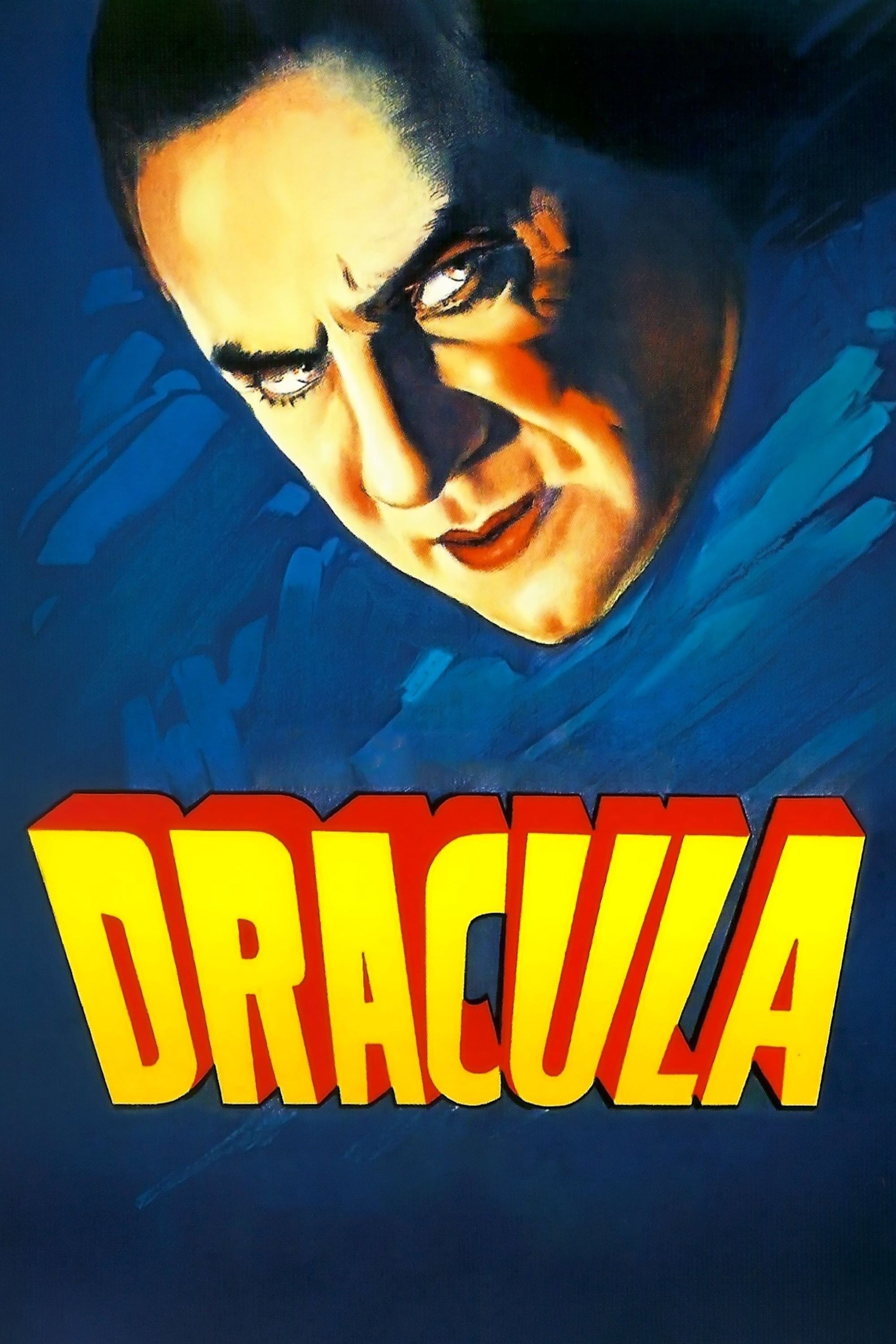
There are two distinct movies inside this 75-minute runtime. The opening reel, shot with heavy atmosphere by cinematographer Karl Freund, is gorgeous. Renfield traveling into the Carpathians, the carriage driven by Dracula in disguise, the massive decaying stone staircase with an armadillo scurrying past, and Lugosi greeting his guest under arched ceilings: that stretch holds up completely.
Then the plot lands in London, and the film transforms into a filmed stage play. Characters stand in drawing rooms, stare at each other, and talk through exposition. Van Helsing and Seward debate vampire biology while Dracula occasionally appears at the French doors. For a kid raised on modern pacing, this is where attention spans get tested.
The Sound of Silence
Modern viewers expect film scores to tell them how to feel. In 1931, studios had not yet figured out how to layer continuous music tracks under spoken dialogue without muddying the optical audio. Except for Swan Lake during the opening credits, this movie plays in dead silence.
That silence works both ways. In Castle Dracula, the quiet makes Lugosi's deliberate pauses feel alien and tense. In the London scenes, it leaves parlor conversations hanging in dead air. If your kid finds it stiff, framing it as an early tech experiment helps: this was Hollywood figuring out how to let actors talk on microphone for the first time.
How to Introduce It
Do not pitch this as a terrifying horror film. Pitch it as meeting the real character behind the cereal boxes, cartoons, and Halloween costumes. Watching Lugosi establish the cape, the accent, and the hand gestures gives kids the original source code for a monster they already know.