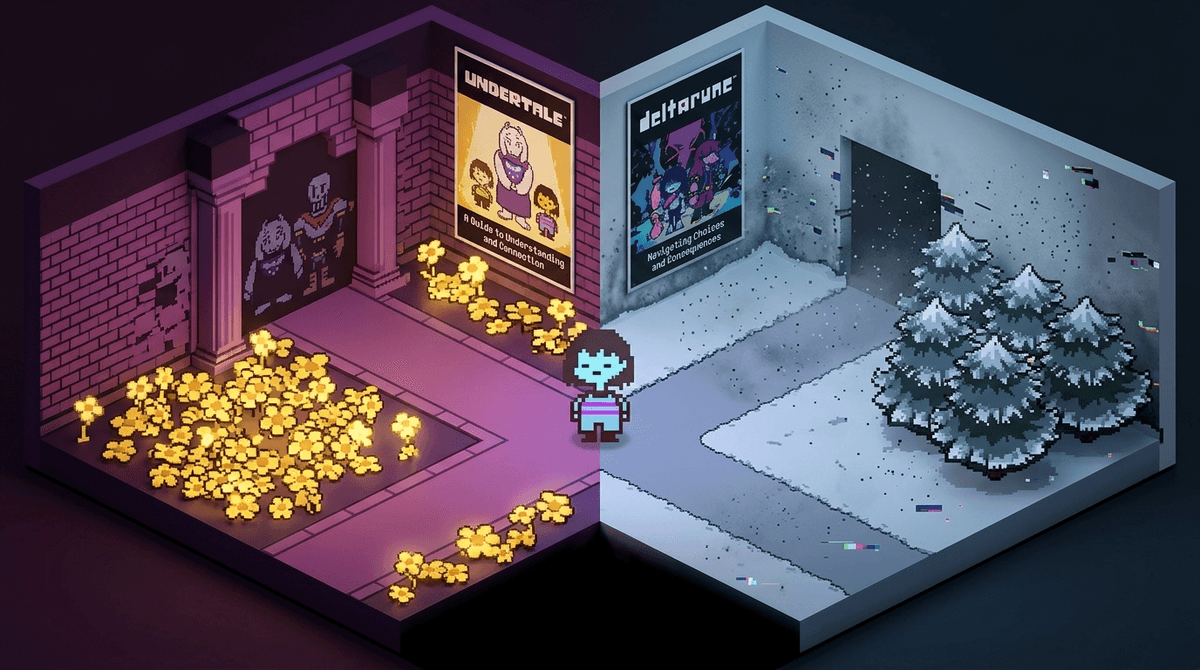
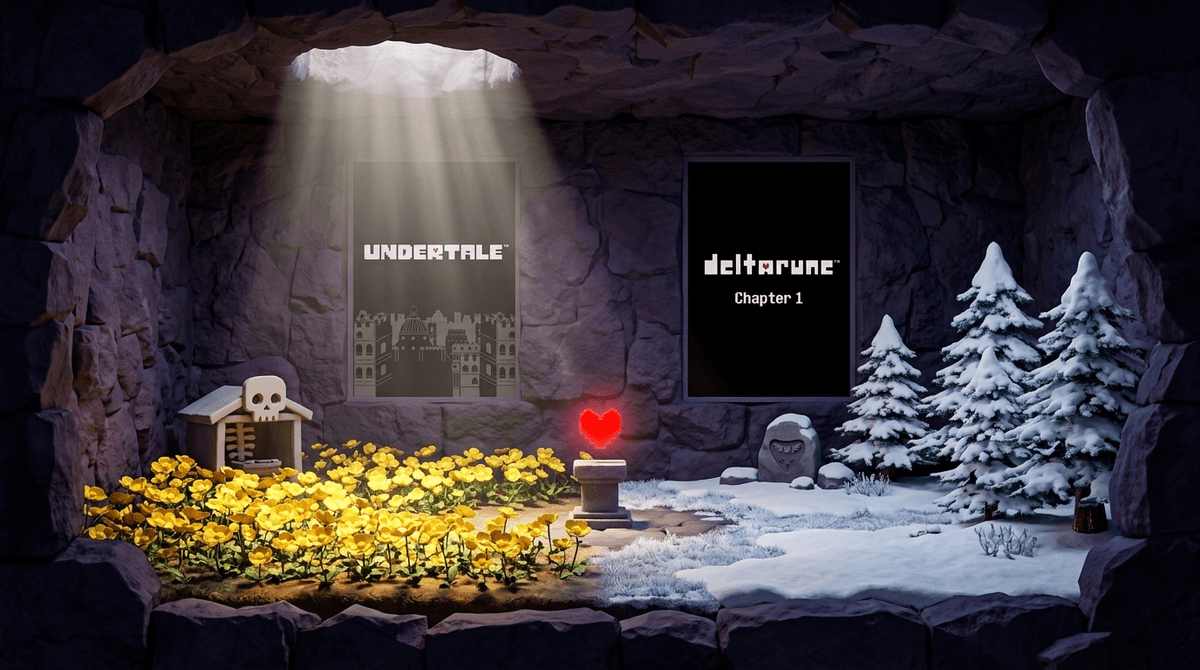
If your kid spent any time in the last few years obsessed with the underground world of Undertale: Why the Game Where 'Nobody Has to Die' is Still a Big Deal, then Deltarune is already on their radar. But where its predecessor was a self-contained fable about mercy, Deltarune is a more complex, episodic beast. It’s less of a direct sequel and more of a "parallel story" that takes the same vibes—quirky humor, retro pixels, and earth-shattering music—and applies them to a story about high schoolers dealing with a literal and metaphorical darkness.
The "Your Choices Don't Matter" Problem
The biggest shift from Toby Fox's previous work is the philosophy. In Undertale, the game’s central hook was that you could change the ending by being nice. Deltarune starts by telling the player that "no one can choose who they are in this world." For a certain type of kid, this is a fascinating existential hook. For others, it can feel a bit frustrating.
The game is currently being released in chapters, and while the first two are free on most platforms, the depth of the world-building is massive. It creates a "watercooler" effect. If your kid is into this, they aren't just playing a game; they are likely watching three-hour video essays on YouTube about secret bosses and hidden lore. It’s a highly social experience even though it’s a single-player game.
Combat is a Dexterity Test
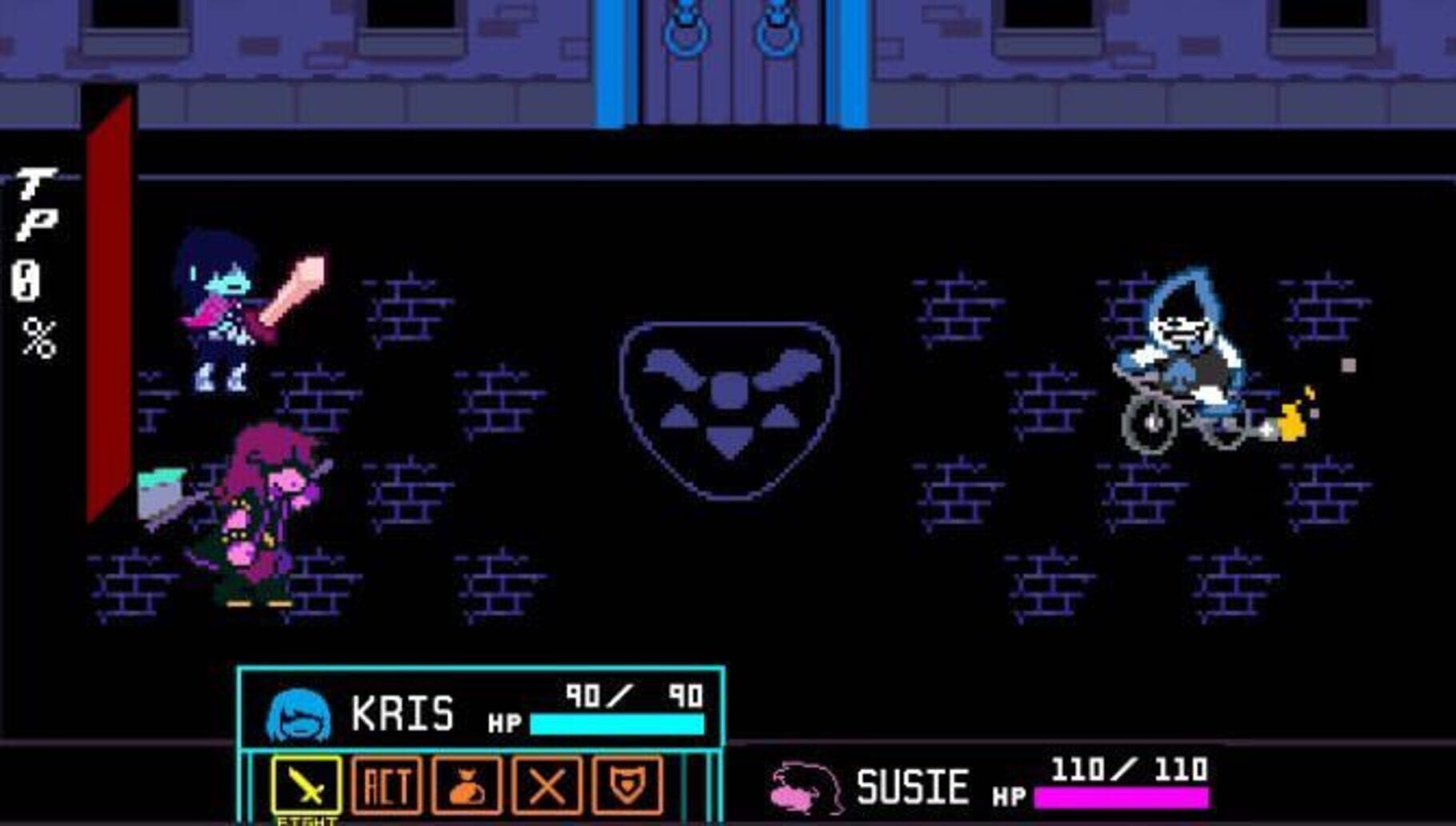
While the game is an RPG, the "bullet hell" combat is the real friction point. During an enemy's turn, you control a small heart in a box, dodging projectiles. Some of these patterns are legitimately difficult, requiring the kind of hand-eye coordination you’d see in a professional rhythm game.
If you have a kid who loves the story but lacks the "gamer" reflexes, they might hit a wall. It’s worth noting that "winning" through mercy usually requires more complex steps than just fighting. It’s a game that rewards patience over button-mashing. If they’re struggling, suggest they look up a "Pacifist" guide on a site like Nintendo Insider to see the patterns.
The "Snowgrave" and Creepypasta Vibes
You might hear your kid mention "Snowgrave" or a character named "Spamton." This is where the game earns its "10 and up" recommendation. While the main path is generally wholesome and funny, there are hidden "routes" that are intentionally unsettling.
The Snowgrave route, in particular, involves the player character manipulating another character into doing something terrible. It’s not graphic, but it is psychologically heavy. It’s the kind of dark meta-commentary that makes the game a masterpiece for older players, but it can be a "WTF" moment for a younger child. If your kid is deep into the fandom, they’ve already seen this on TikTok. It’s a great opening to talk about why kindness is the only way to win in these types of games, and why the game treats the "evil" route as something truly disturbing rather than just a "cool" alternative.
Why the Music Matters
It is impossible to overstate how much the soundtrack carries this experience. Toby Fox is a composer first, and the music in Deltarune is designed to be unforgettable. You will hear these 16-bit tracks coming from their room, their headphones, and their hummed melodies in the car. It’s one of the few games where the "soundtrack" is as much of a character as the protagonists themselves. If your kid is a band geek or into music production, this game is a goldmine of inspiration.