Countdown

Countdown

show

TV-14, 1982

WISE
68%

WISE Score

6.2

IMDb

The ultimate British brain-flex where contestants scramble for nine-letter words and do high-speed mental math against a ticking clock.

IMDb6.2
Common Sense Media
Where to Watch
Loading streaming options...
Screenwise Verdict

Countdown is the 'slow food' of television. It’s a rhythmic, comforting, and genuinely difficult brain puzzle that has survived for decades because the core mechanics—anagrams and math—are timelessly satisfying.

However, let's be real: for a kid raised on MrBeast and Roblox, a 1982 game show might feel like watching paint dry. It’s a high-value educational tool if you can get them to sit through the beige aesthetics and the polite British banter, but it’s definitely an 'acquired taste' for the digital native generation.

Age Fit

While safe for any age, it really only clicks for kids 10 and up who have the vocabulary and math foundation to actually play along. Younger kids will likely find the lack of action boring.

WISE Breakdown
Wholesome
92

It is the peak of civilized, polite British television. Contestants are respectful, the hosts are encouraging, and the entire atmosphere celebrates quiet intelligence over flashy drama.

Imaginative
45

While it sparks mental play with letters and numbers, the format is static and formulaic. It doesn't invite creative world-building, but it does reward creative problem-solving.

Safe
98

Extremely safe. The only 'risk' is the occasional accidental double entendre when a contestant finds a cheeky word in the letter tiles, which is usually handled with a polite chuckle.

Enriching
95

It is essentially a 30-minute daily brain workout. The combination of anagram solving and complex mental arithmetic is genuinely educational without being preachy.

Parent Info

Why It Might Be Great

  • Vocabulary building is baked into the DNA of the show as contestants hunt for the longest possible words from a random string of letters.
  • Mental math skills get a serious workout during the numbers round, where players must reach a target using only basic arithmetic and a lot of logic.
  • The iconic ticking clock creates a unique kind of focus and 'flow state' that modern, hyper-edited shows often lack.
  • It rewards academic effort and quick thinking, making 'being a nerd' the coolest thing in the room.

What to Watch For

  • The pacing is glacial by modern standards. There are no flashing lights or yelling influencers; just people in knitwear thinking very hard.
  • The 1980s episodes look incredibly dated, with beige sets and fashion choices that might be more distracting to a modern kid than the actual game.
  • Occasional mild innuendo occurs when a contestant inadvertently spells out a 'naughty' word, though the show remains firmly family-friendly.

Conversation Starters

  • "What was your strategy for that last numbers round—did you start from the target and work backward?"
  • "If you could pick any nine letters to be on the board, which ones give you the best chance at a long word?"
  • "Why do you think this show has lasted since 1982 while so many other flashy game shows disappeared?"

Deep Dive

The Grandfather of Brain Training

Before there was Wordle or the NYT Spelling Bee, there was Countdown. Launched as the first-ever show on the UK's Channel 4 in 1982, it has become a cultural institution. For a parent in 2026, it represents a rare piece of media that hasn't been 'optimized' for dopamine hits.

The game is split into two halves: the Letters Round and the Numbers Round. In the former, you’re looking for the longest word; in the latter, you’re using six numbers to reach a three-digit target. It sounds simple, but the 30-second music—the 'Countdown Clock'—is legendary for inducing a specific kind of productive panic.

Why the 1982 Start Matters

Watching the early episodes is a trip through time. You’ll see Richard Whiteley and Carol Vorderman in their early days, and the tech is... non-existent. The letters are physical tiles. The math is done on a chalkboard or with a simple calculator. This lo-fi nature is actually a strength; it reminds kids that these puzzles are human-solvable without an algorithm.

How to Watch It Now

If you're introducing this to a kid, don't just let it wash over them. You have to play with them. Keep a notepad handy. Pause the screen during the 30-second rounds if they need more time to find a word or solve the math. It’s much more of a 'co-op game' than a passive viewing experience. If your kid likes NYT Connections or Sudoku, this is their jam. If they need explosions and fast cuts, maybe stick to Numberblocks for the younger set.

What Parents Ask

Stills
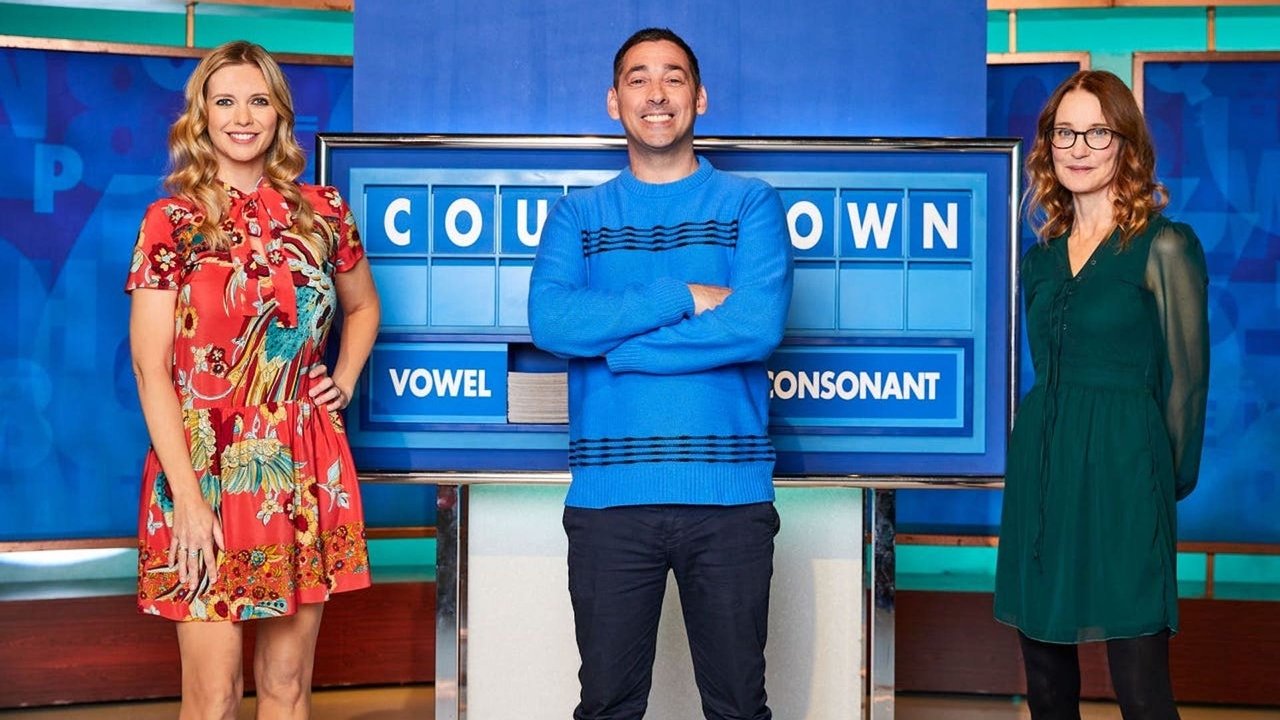
Countdown — still 1
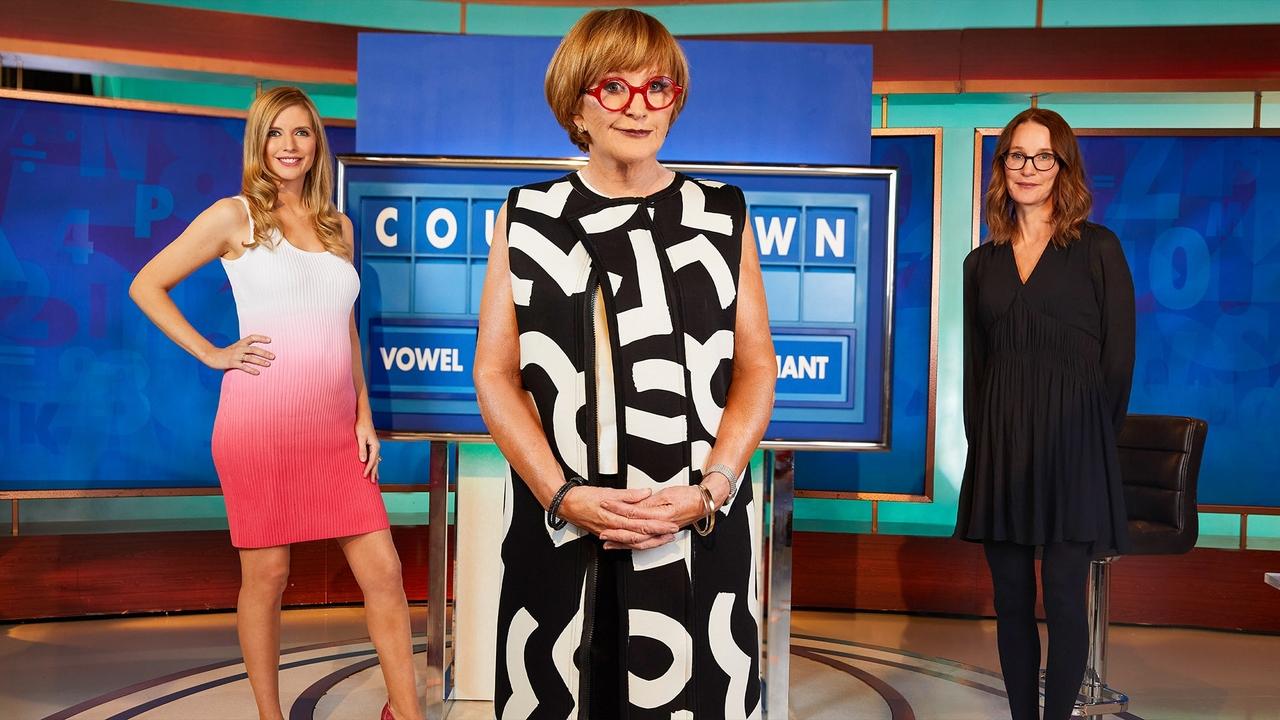
Countdown — still 2
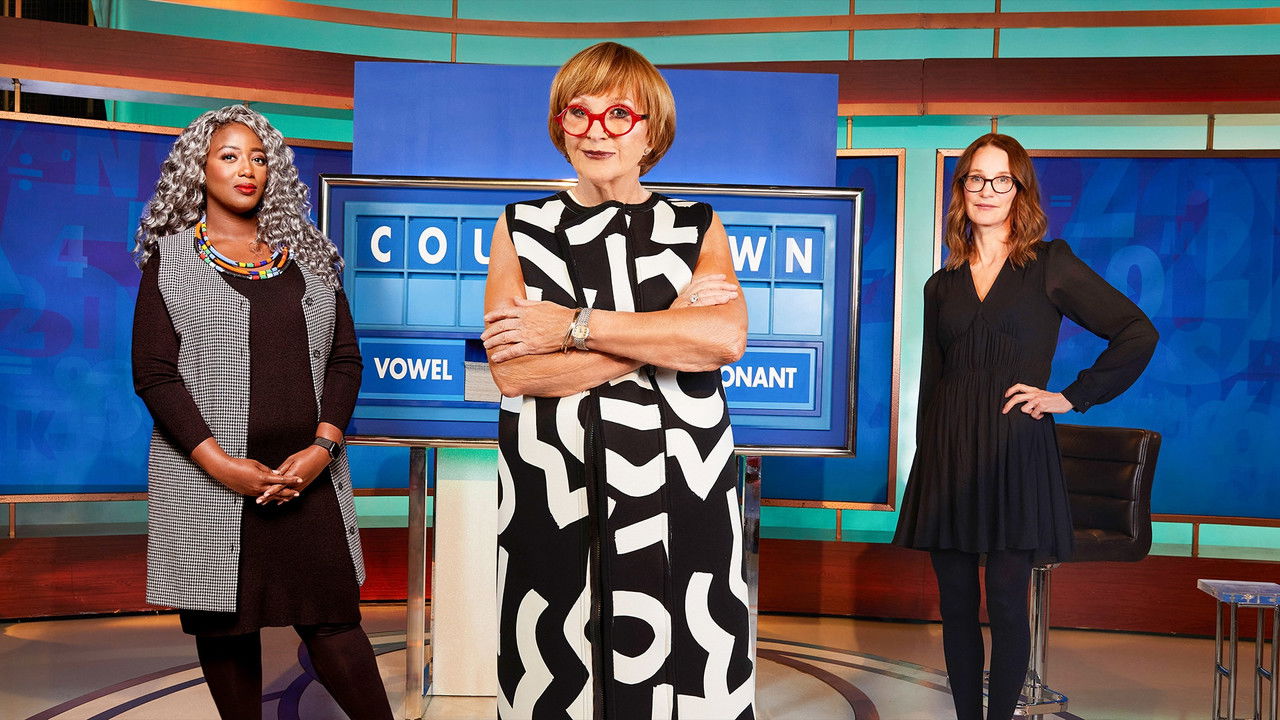
Countdown — still 3
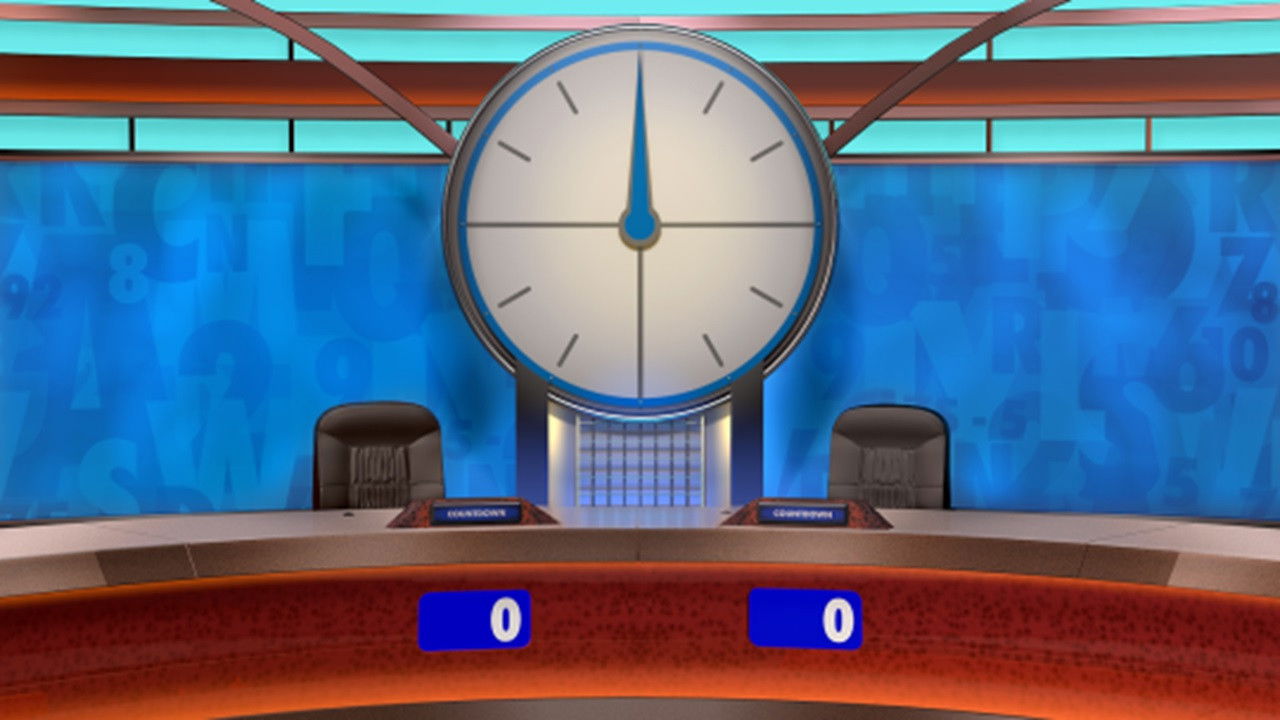
Countdown — still 4
Countdown — still 5

Ask Anything

Get a personalized guide on any topic