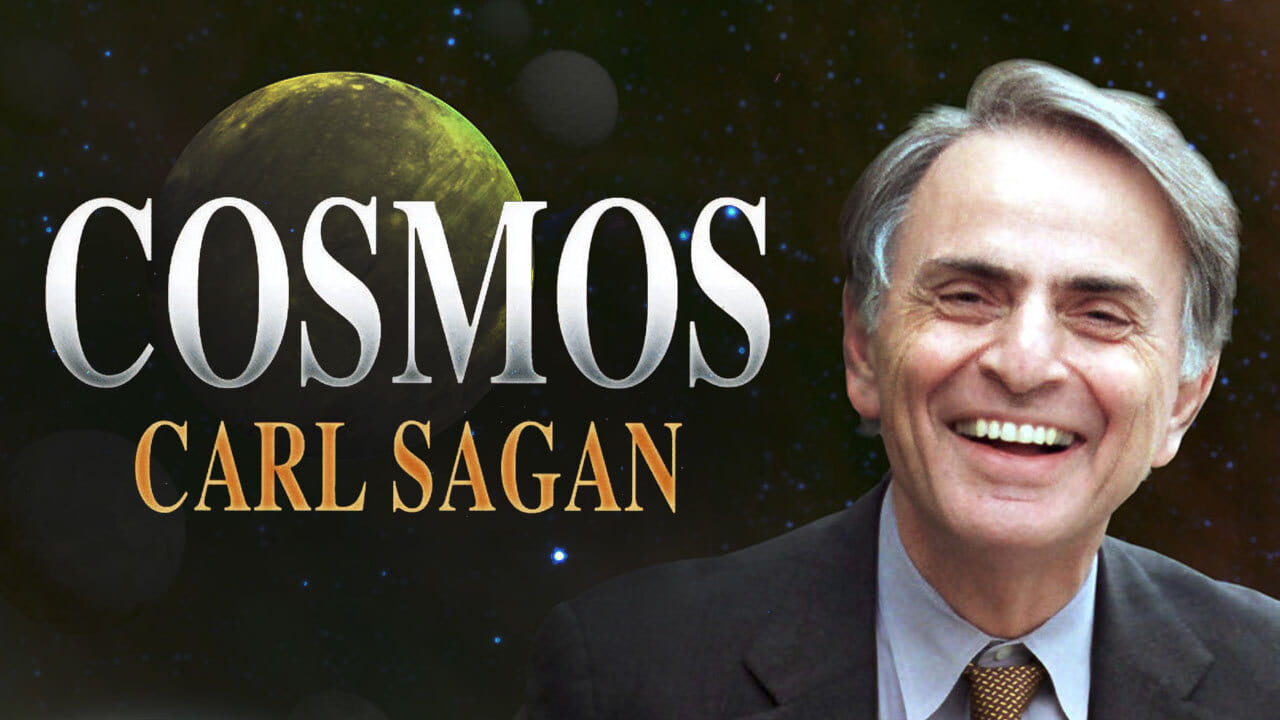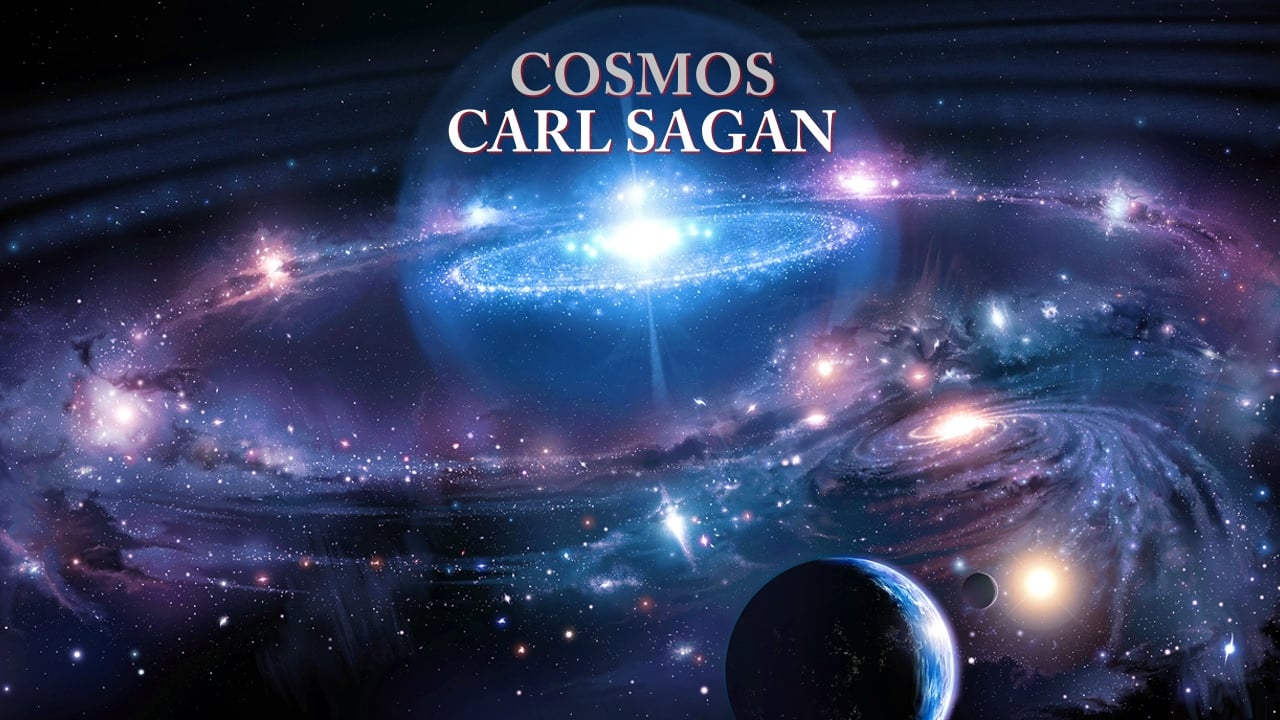
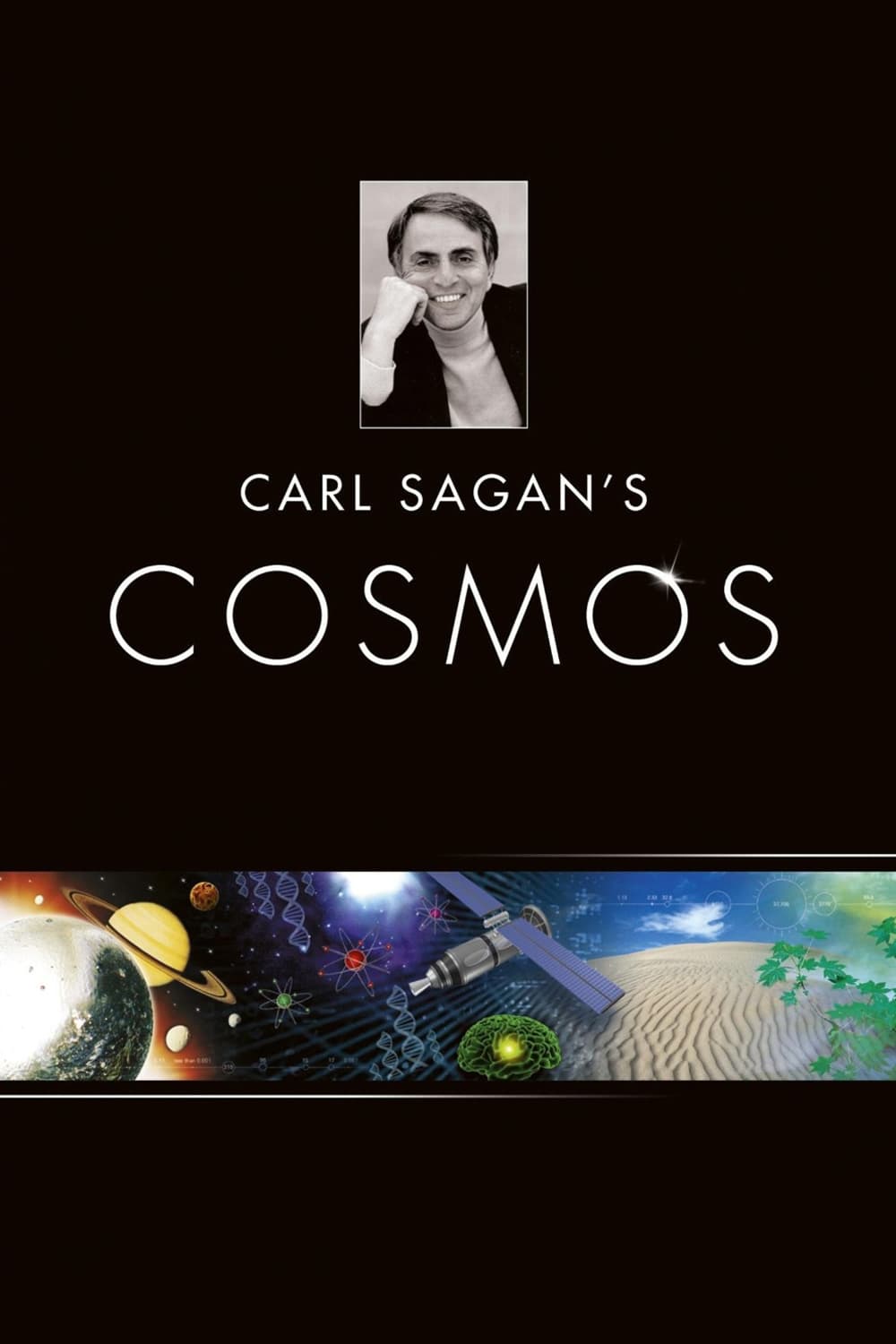
Cosmos: A Personal Voyage

Cosmos: A Personal Voyage

show

NR, 1980

WISE
78%

WISE Score

9.3

IMDb

Carl Sagan's legendary science series is mind-expanding—if your kid can handle the 1980s pacing and synth soundtrack.

IMDb9.3
Common Sense Media
Where to Watch
Loading streaming options...
Screenwise Verdict

Let's be honest: Cosmos: A Personal Voyage is a masterpiece of science communication, but it's also 45 years old, and it shows. The synth score, the turtlenecks, the deliberate pacing—this is not bingeable Netflix content. Modern kids raised on YouTube and TikTok will find it glacially slow.

That said, if your kid is genuinely curious about space, science, or big questions, this is still one of the best things ever made. Sagan's humility, poetry, and ability to make you feel both tiny and significant is unmatched. The content is timeless even if the delivery feels dated.

Watch it together in small doses. Use it as a springboard for conversations. And maybe follow up with the 2014 Neil deGrasse Tyson reboot (Cosmos: A Spacetime Odyssey) if the 1980 version doesn't land. But don't skip this entirely—it's a cultural touchstone for a reason.
Age Fit

Best for ages 10+ with a genuine interest in science and the patience for slow, contemplative television. Younger kids (7-9) can watch with a parent if they're curious, but the pacing and existential themes may lose them. Teens and adults will get the most out of it.

WISE Breakdown
Wholesome
88

Carl Sagan's gentle, wonder-filled approach to science creates an emotionally healthy viewing experience. His humility and reverence for the universe model curiosity without ego. Some historical segments reference torture and executions (Giordano Bruno's burning, for instance), but these are handled with gravity and no graphic imagery. The pacing is deliberately slow and contemplative—not chaotic—though this can feel dated to modern viewers.

Imaginative
95

This is imagination fuel. Sagan takes viewers from the smallest atoms to the edge of the observable universe, from the Library of Alexandria to distant galaxies. The 'Ship of the Imagination' is a literal narrative device for exploration. It sparked countless scientific careers and remains a masterclass in making abstract concepts—deep time, cosmic scale, evolution—tangible and awe-inspiring. The visual effects were groundbreaking for 1980 and still carry a dreamy, speculative quality.

Safe
82

Very safe by modern standards. No gore, nudity, or inappropriate content. Historical segments include brief mentions of religious persecution and scientific martyrdom (Bruno's execution, the destruction of the Library of Alexandria), but these are educational and handled with care. No surprise violence or trauma. The main 'risk' is existential: discussions of extinction, cosmic indifference, and humanity's fragility might unsettle younger or more sensitive kids. No ads, no social features, no manipulation—it's a PBS documentary.

Enriching
98

This is peak enrichment. Sagan covers evolution, astronomy, physics, chemistry, history of science, and the scientific method itself. It builds critical thinking, wonder, and a sense of cosmic perspective. The show explicitly champions skepticism, evidence-based reasoning, and humility. It's also deeply humanistic—Sagan's closing thoughts on nuclear war and our 'pale blue dot' are profoundly ethical. This is the kind of media that changes how kids see the world. IMDb 9.3 and Letterboxd 4.5/5 reflect its enduring impact.

Parent Info

Why It Might Be Great

  • Sagan is the GOAT science communicator—humble, poetic, and genuinely awe-inspiring without dumbing anything down
  • Covers massive ground: Big Bang, evolution, atoms, galaxies, the scientific method, and why we should care about our tiny blue dot
  • Sparked entire generations of scientists and science-lovers; IMDb 9.3 speaks to its cultural impact
  • Zero commercialization, zero manipulation—just pure educational PBS gold
  • The 'Ship of the Imagination' and cosmic calendar are iconic teaching tools still used today

What to Watch For

  • It's slow. Like, really slow. Each episode is an hour of Sagan's measured cadence over 1980s special effects. Modern kids may tap out fast
  • Some heavy themes: extinction events, nuclear war, the heat death of the universe, religious persecution of scientists
  • Brief historical references to torture and execution (Giordano Bruno burned at the stake, etc.)—no gore, but the concepts are there
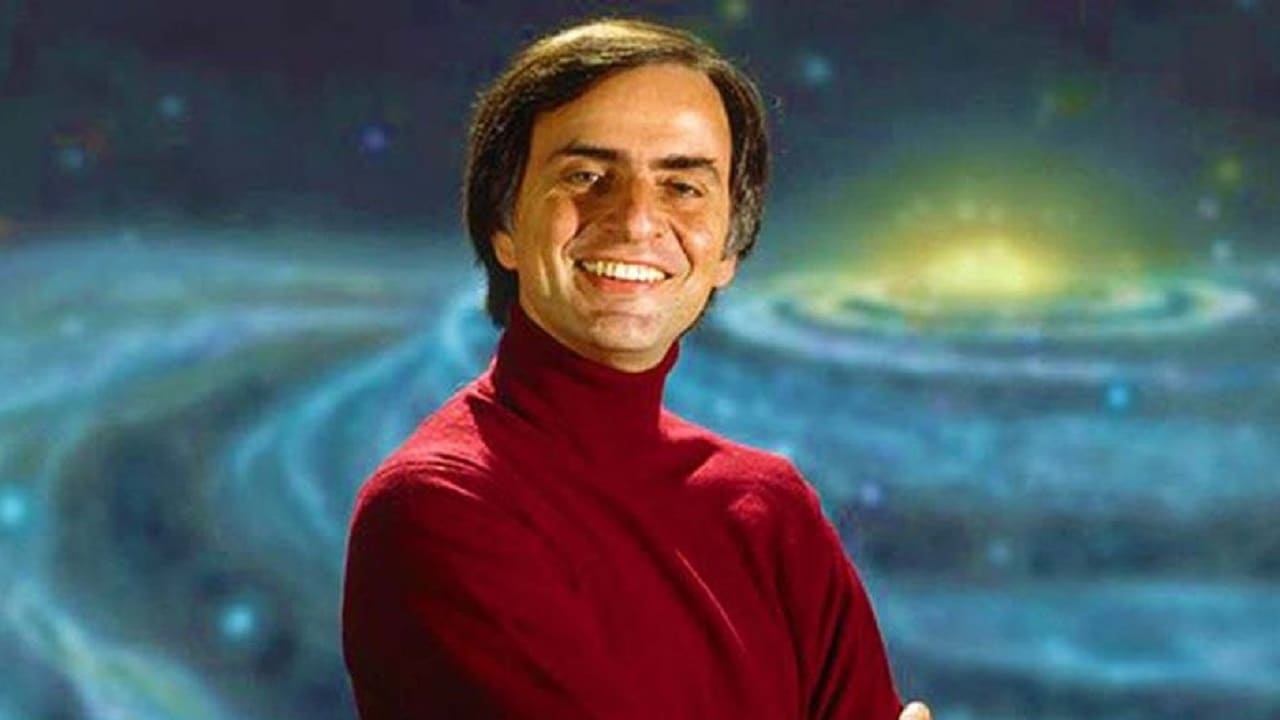
  • The synth soundtrack and turtleneck-and-corduroy aesthetic are... very 1980

Conversation Starters

  • "What did you think about the cosmic calendar—where all of human history happens in the last few seconds of the year?"
  • "Sagan talks a lot about how we're made of 'star stuff.' What do you think that means?"
  • "If you could travel anywhere in the universe on the Ship of the Imagination, where would you go?"
  • "Why do you think Sagan cared so much about whether we destroy ourselves with nuclear weapons?"
  • "What's one thing from the show that made you see the world differently?"
Stills
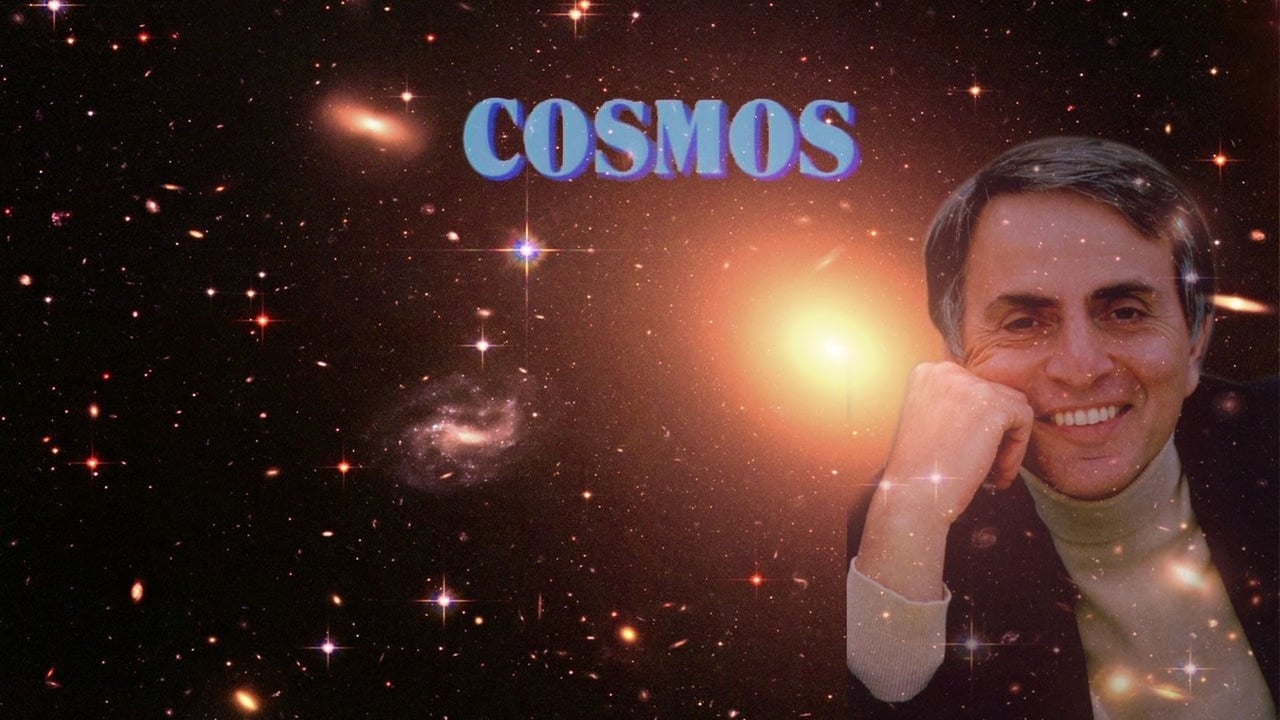
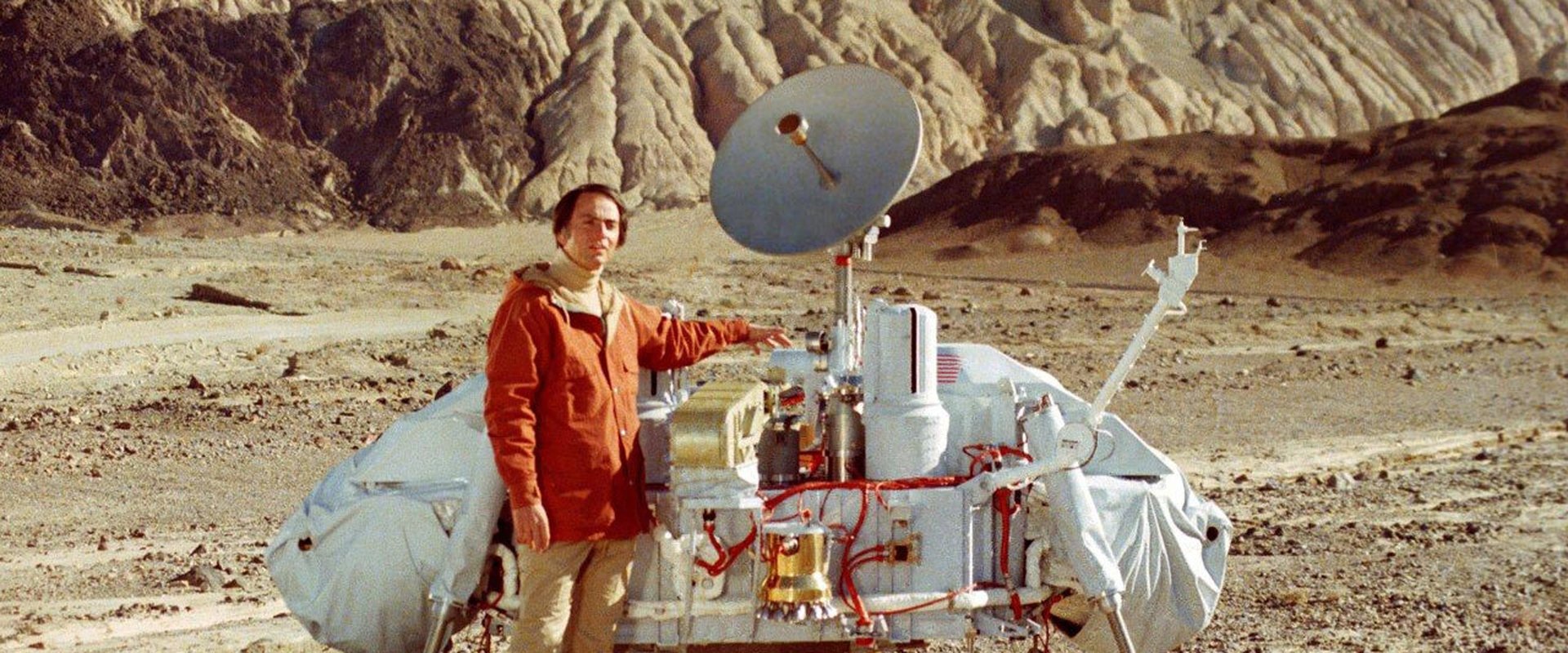
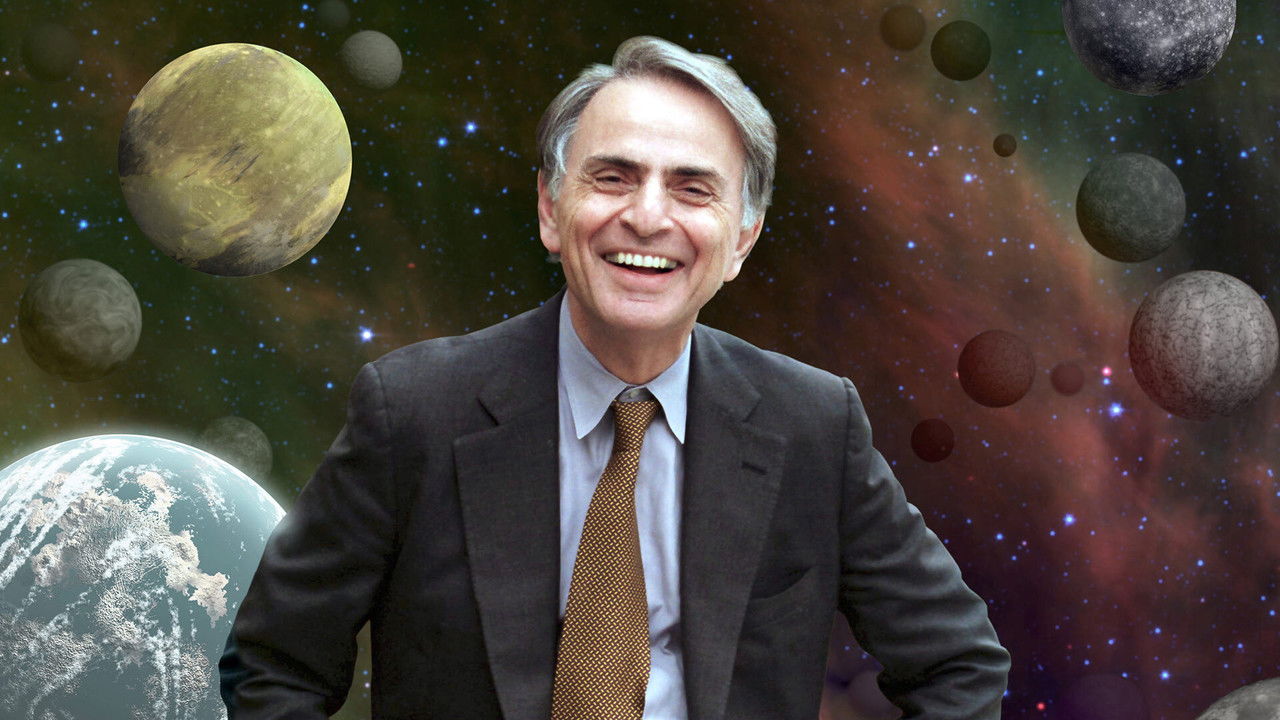
Cosmos: A Personal Voyage — still 1
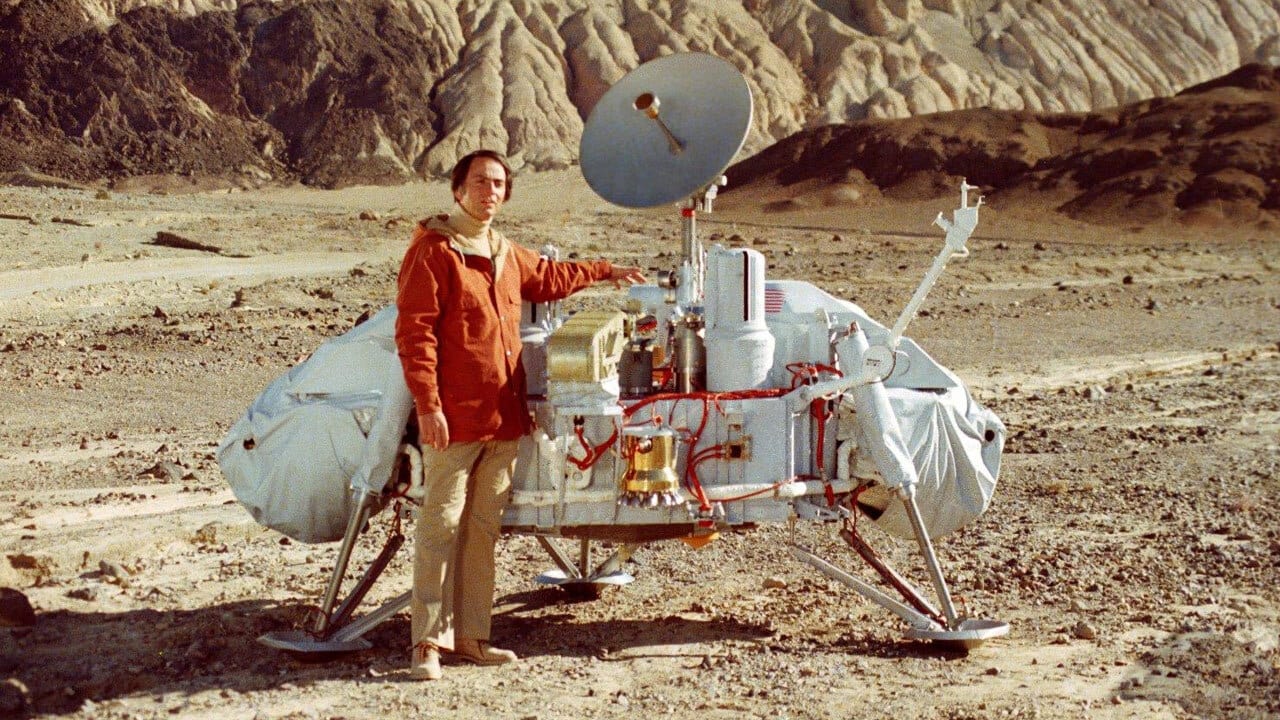
Cosmos: A Personal Voyage — still 2
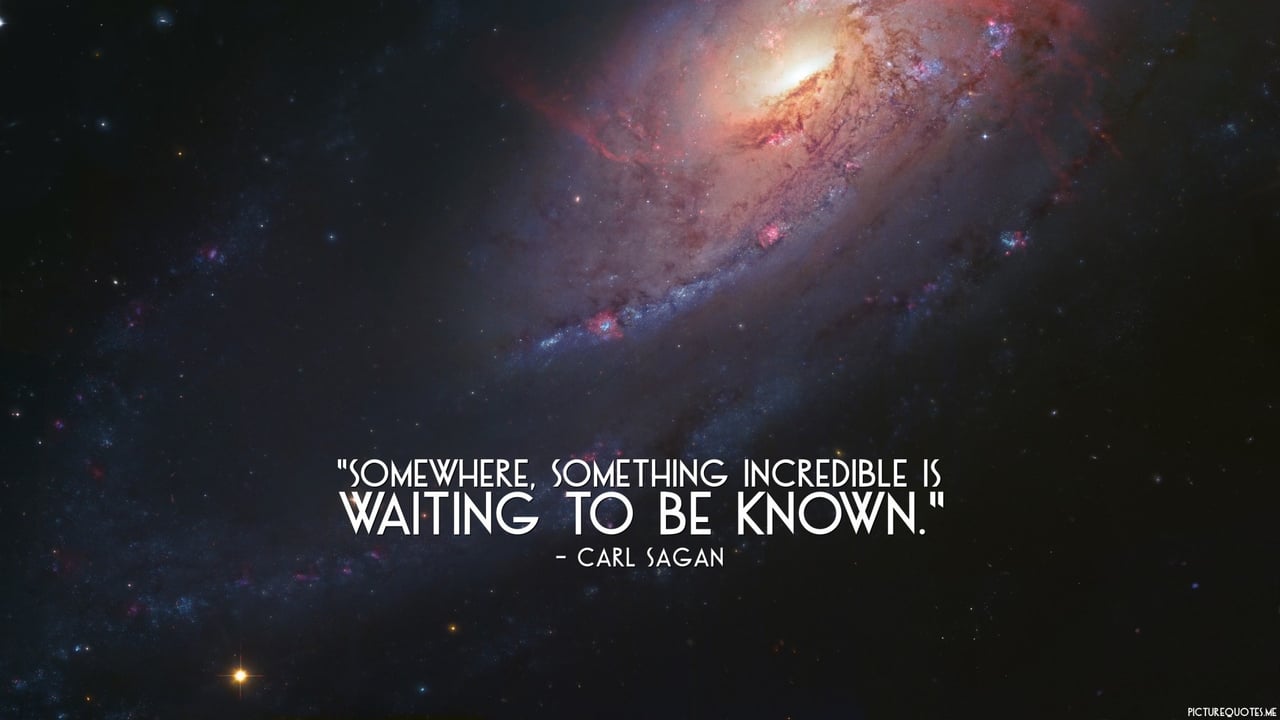
Cosmos: A Personal Voyage — still 3
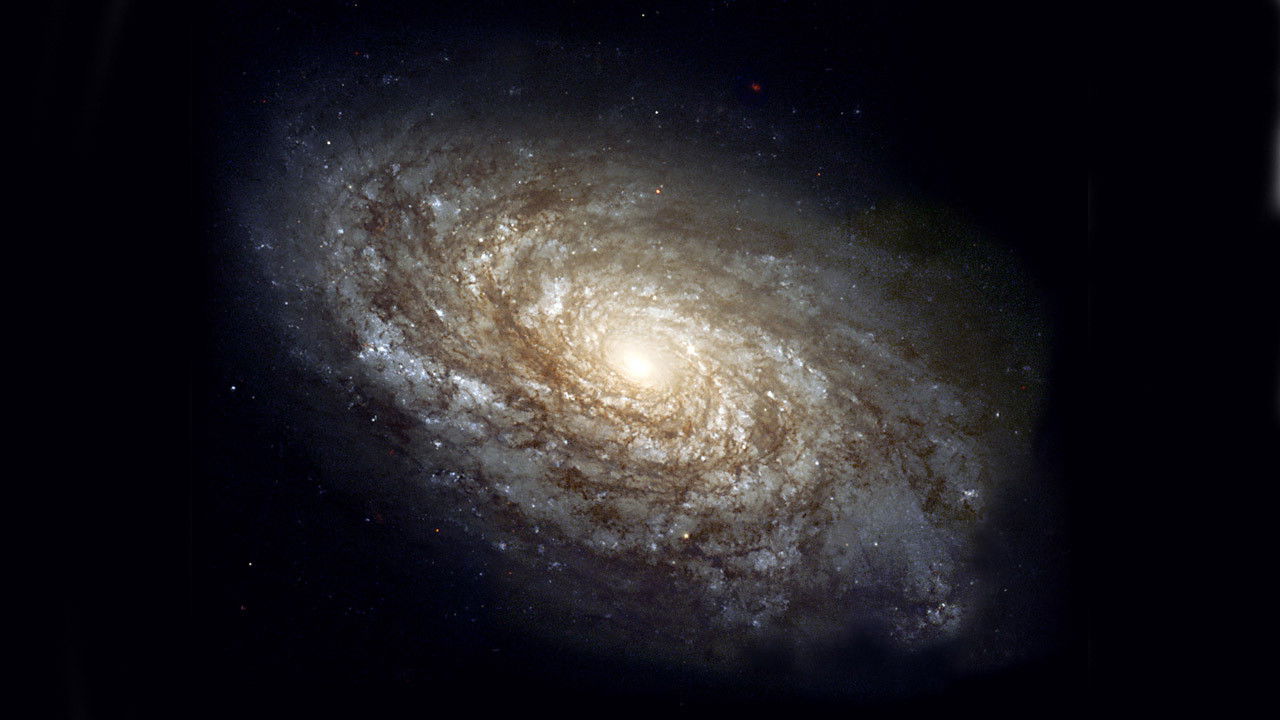
Cosmos: A Personal Voyage — still 4
Cosmos: A Personal Voyage — still 5
Cosmos: A Personal Voyage — still 6
Cosmos: A Personal Voyage — still 7
Cosmos: A Personal Voyage — still 8

Ask Anything

Get a personalized guide on any topic