The 3-minute adrenaline spike
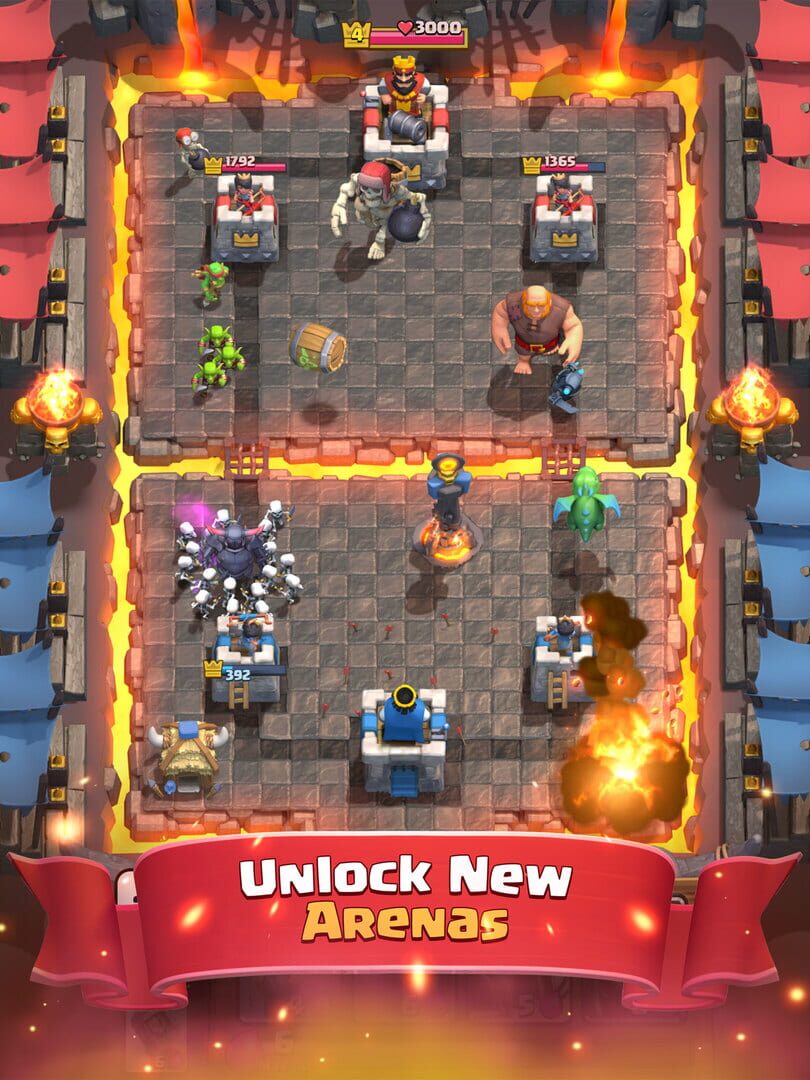
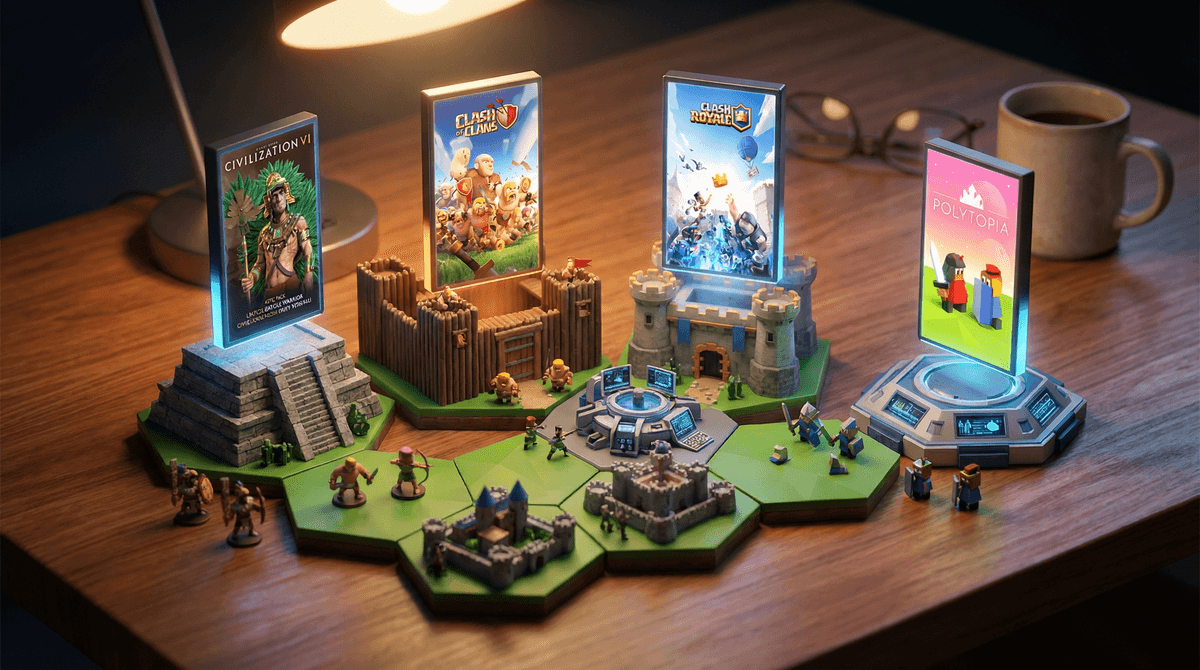
Clash Royale is the ultimate "waiting for the bus" game that somehow turns into a two-hour session on the couch. Unlike its older sibling, Clash of Clans, which is a slow-burn exercise in patience and base-building, Royale is a high-speed collision. You have three minutes to drop troops, manage your Elixir bar, and try to knock over the enemy’s towers while a cartoon king laughs at you.
The strategy here is actually legit. This isn't a mindless tapper. Your kid has to understand "positive elixir trades"—basically, how to spend three units of energy to kill an enemy that cost five. It's fast-paced math disguised as a Viking raid. If your kid is into chess or high-speed tactical games, they will find the depth here rewarding. But if they struggle with losing, this game is a pressure cooker. Because it’s 1v1, there’s no team to hide behind. When you lose, it’s on you, and the game’s "Emote" system is specifically designed to let your opponent rub it in.
The "freemium" friction
Supercell is the master of the "fun-but-frustrating" loop. You’ll win a few matches, feel like a genius, and then hit a wall where every opponent has cards two levels higher than yours. This is where the game stops being about skill and starts being about your wallet.
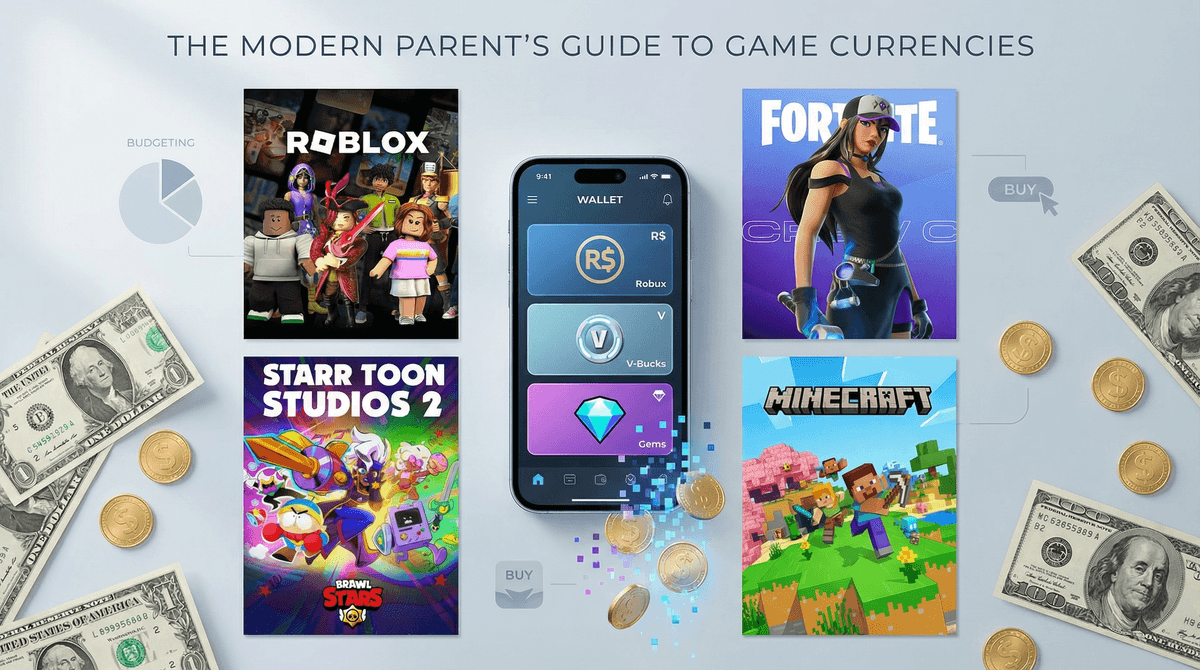
The pressure to spend is constant. Whether it's the "Diamond Pass" or limited-time shop offers, the game is built to make the "free" experience feel intentionally slow. If you want to help your kid navigate this without your credit card statement exploding, it’s worth decoding how digital currencies work in these ecosystems. They need to understand that the game is designed to make them feel stuck so they’ll pay to get unstuck.
How it fits in the Supercell family
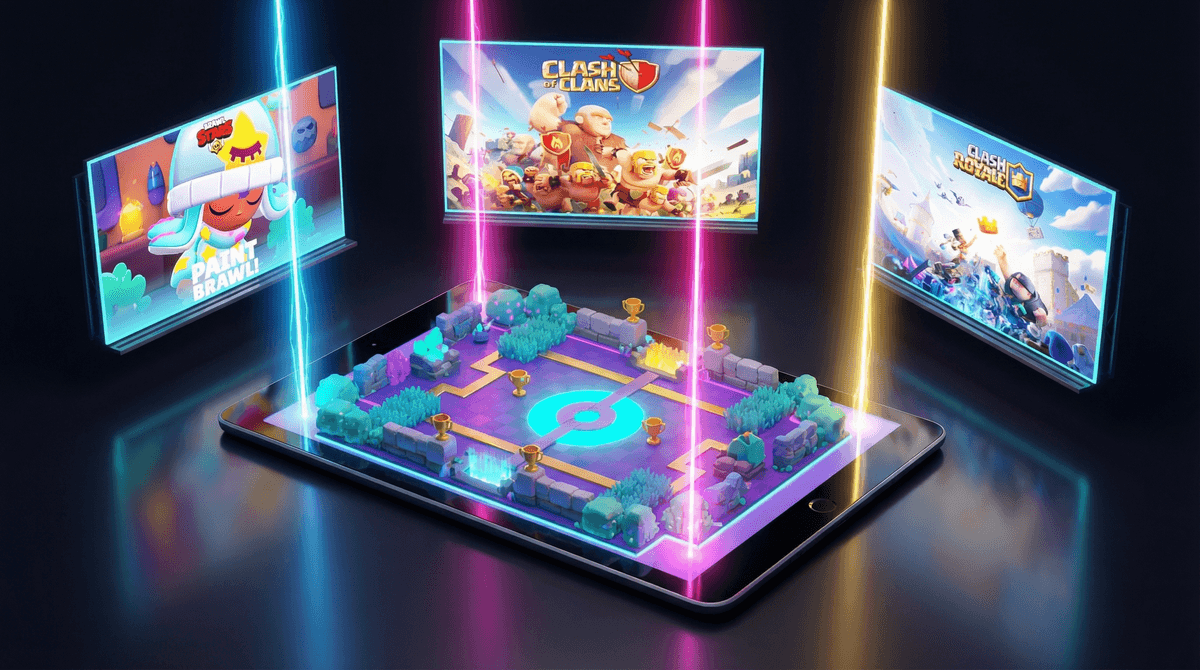
If your kid is already deep in the Supercell ecosystem, they probably view Clash Royale as the "serious" competitive one.
- Brawl Stars is more social and chaotic.
- Clash of Clans is about long-term planning and waiting days for buildings to finish.
- Clash Royale is the sweaty, competitive middle ground.
If they’re coming from Brawl Stars, they might find Royale’s lack of direct character control frustrating. In Royale, you place a troop and hope its AI does what you want. If they’re coming from Pokémon TCG or other card games, they’ll feel right at home with the deck-building aspect.
The most useful thing you can do is watch them play for ten minutes. If they’re ending a session energized and talking about a cool play they made, great. If they’re ending it by throwing their phone because a "Mega Knight" squashed their tower, it might be time to steer them toward a strategy game that doesn't use psychological triggers to keep them grinding.