

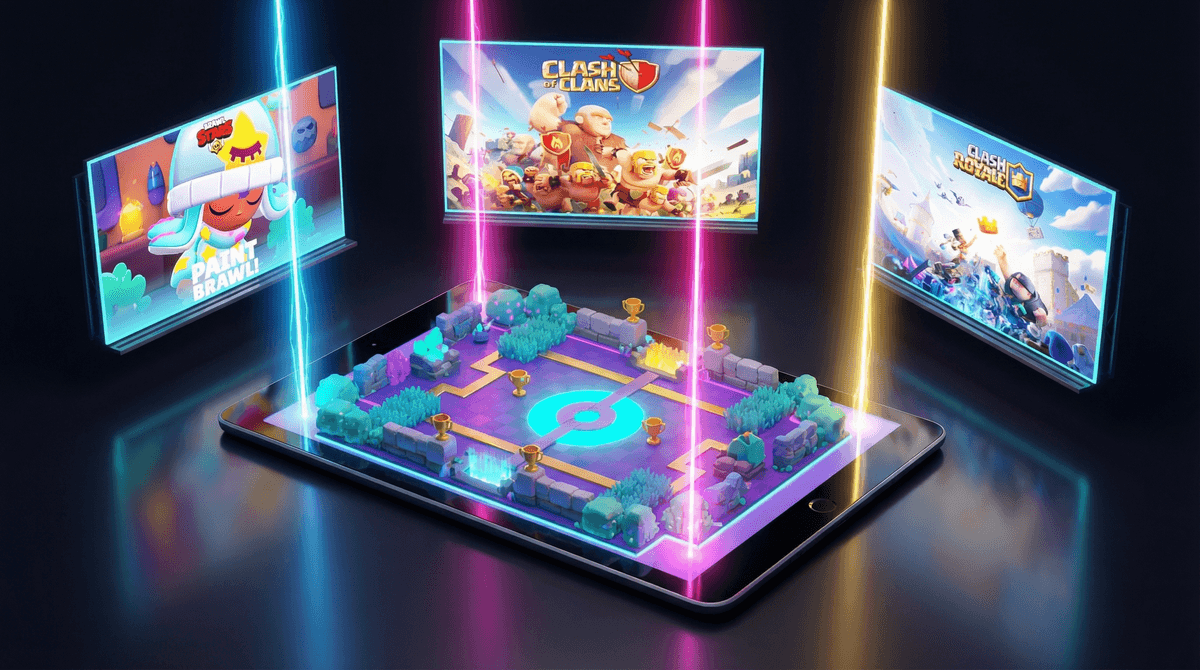
Brawl Stars is a fast-paced mobile game from Supercell (the same company behind Clash of Clans and Clash Royale) where players battle in quick 3-minute matches using characters called "Brawlers." Think of it as a top-down arena shooter meets MOBA (multiplayer online battle arena), but designed specifically for phones and tablets.
Each match drops you into colorful, chaotic battles where you're collecting gems, playing soccer with a ball, defending a safe, or fighting in battle royale-style showdowns. The games are genuinely short—most wrap up in under 3 minutes—which is both a blessing and a curse for parents. It's easy for kids to think "just one more game" turns into an hour because the matches feel so quick.
The game launched in 2018 and has maintained serious staying power, especially with the elementary through middle school crowd. It's rated 9+ on the App Store and everyone 10+ on Google Play, though plenty of younger kids are playing it.
The gameplay loop is addictive by design. Every match earns you "trophies" that unlock new Brawlers and game modes. Kids talk about "pushing trophies" the way we used to talk about beating levels—it's the universal measure of progress and skill. The game constantly dangles the next unlock just out of reach, which keeps kids coming back.
It feels social without being too social. Unlike games where your kid might be chatting with random adults, Brawl Stars has limited communication options. There are preset messages and emotes, but no open chat unless you're in a club (the game's version of guilds) with people you've specifically joined. For many kids, this is their first taste of team-based competitive gaming.
The variety keeps it fresh. With dozens of Brawlers, each with unique abilities and play styles, plus rotating game modes and maps, there's always something new to try. Kids develop favorites and get genuinely strategic about which Brawler works best for which mode.
The pro scene is real. There are Brawl Stars tournaments, YouTube creators, and a whole competitive ecosystem. Kids watch pros play, learn strategies, and feel like they're part of something bigger. Channels like Rey - Brawl Stars and KairosTime Gaming have millions of followers.
Here's where we need to talk about money. Brawl Stars is free to download but makes its money through in-app purchases. The currency system is intentionally confusing—there are coins, gems, star points, bling, and credits. Each one does something different, and the game constantly offers "special deals" that create FOMO.
The Brawl Pass is the main spending temptation—it costs about $10 and gives players extra rewards throughout a season (usually 2-3 months). Many kids will tell you they "need" it because their friends have it, and honestly, it does speed up progression significantly.
Loot boxes by another name. The game has "Brawl Boxes" and "Mega Boxes" that contain random rewards. While Supercell has actually improved transparency about odds, it's still gambling mechanics marketed to kids. You can earn these through gameplay, but you can also buy them with real money.
The good news? The game is actually playable without spending money—it just takes longer to unlock everything. The bad news? The psychological pressure is real, especially when kids see others with cool skins or new Brawlers.
Pro tip: If you're going to allow spending, set clear limits upfront. Learn more about having the in-app purchase conversation before the first "can I just buy this one thing?" request.
Ages 8-10: The game's rating starts at 9+, and that feels about right. The cartoon violence is mild (characters make "oof" sounds and respawn immediately), but the competitive nature and social pressure can be intense for younger kids. If your 8-10 year old is playing, consider keeping them out of clubs and limiting play to when you're around to monitor.
Ages 11-13: This is the sweet spot demographic. Middle schoolers have the strategic thinking to actually get good at the game and the social awareness to navigate team dynamics. The main concerns here are time management (those "quick matches" add up) and the spending pressure from peers.
Ages 14+: High schoolers who play Brawl Stars are usually in deep—they're watching competitive play, understanding the meta, and possibly spending their own money. The concerns shift more toward balance with other responsibilities and making sure gaming isn't replacing in-person social connection.
The "just one more match" phenomenon is real. Three-minute matches mean kids never feel like they're playing "that long," but 20 matches is an hour. The game also has daily and seasonal quests that create pressure to log in every day.
Clubs can be a mixed bag. While most clubs are just kids playing together, they do have chat features. If your kid joins a club, check in periodically about who they're playing with and what conversations look like.
The competitive stress is underestimated. Kids genuinely get upset about losing trophies or letting their team down. This isn't just "a game" to them—it's their social currency and skill validation. Watch for signs that the game is causing more stress than fun.
Screen time battles intensify. Because matches are so short, kids will argue that "just finishing this match" is reasonable, and technically they're right. But that match leads to another. Setting clear time limits (not match limits) helps avoid the negotiation trap.
Brawl Stars isn't the worst game your kid could be playing. The violence is cartoonish, the social features are relatively contained, and there's actual strategy involved. But it's designed by some of the best behavioral psychologists in gaming to keep players engaged and spending money.
The game works best when parents are involved—not hovering, but aware. Know what "pushing trophies" means, ask about their favorite Brawler, and set clear boundaries around time and money before conflicts arise.
If your kid is asking to play until midnight to hit the next trophy milestone, that's your sign that the game's reward systems are working a little too well. The trophies will still be there tomorrow.
If you're just starting: Play a few matches yourself so you understand what your kid is experiencing. The tutorial takes about 10 minutes.
If they're already playing: Have a conversation about the spending model. Here's how to approach the money talk in a way that doesn't feel like a lecture.
If you're setting boundaries: Focus on total screen time rather than number of matches, and consider using the game's built-in parental controls or your device's screen time features.
Looking for alternatives? If you want games with similar quick-match appeal but fewer monetization concerns, check out Splatoon 3 on Nintendo Switch or Fall Guys (though it has its own cosmetic purchases).
And remember—Screenwise can help you understand how your kid's gaming habits compare to others in your community and provide personalized guidance for your specific situation. Because every family's digital life looks different, and that's okay.