The Dawkins Factor
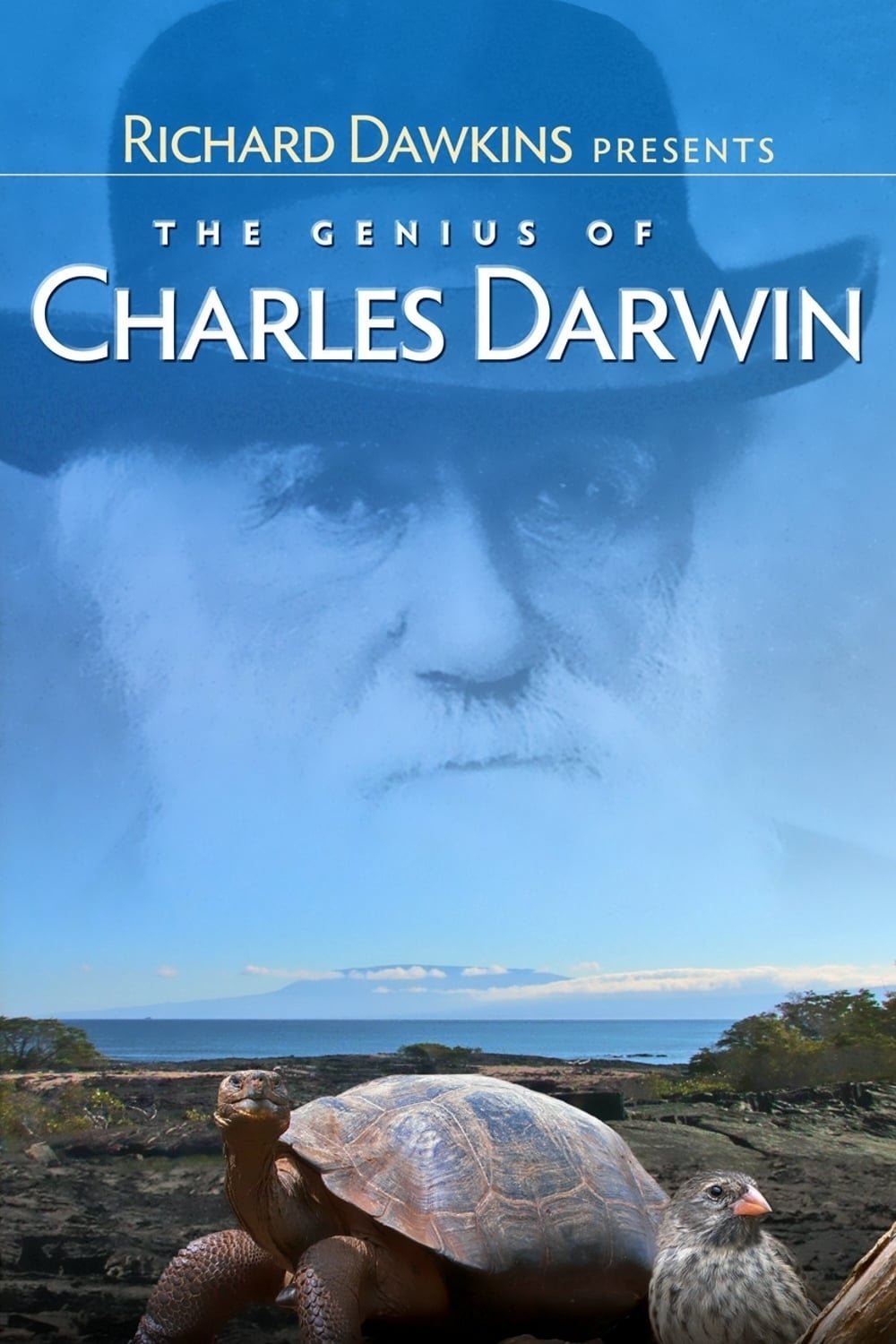
Richard Dawkins doesn't do "maybe." If you’ve spent any time watching modern nature documentaries, you’re probably used to a certain level of soft-focus wonder and whispering narrators. This is not that. In this three-part series, Dawkins approaches evolution with the surgical precision of a man who is tired of people getting the facts wrong.
For a teenager, this can be incredibly refreshing. Most educational media for kids is terrified of being too "academic," so it hides the actual logic behind flashy CGI and high-fructose energy. Dawkins treats the viewer like an adult. He walks through the evidence—the fossil record, the DNA similarities, the sheer logic of natural selection—without the typical "hey kids, science is wacky!" filter. If you have a kid who feels patronized by standard school curriculum, they will likely respect the intensity here.
Pacing for the YouTube Generation
We have to be honest about the 2008 production style. This was made for Channel 4, which means it’s built for a long-form television audience. There are no jump cuts. There are no mrbeast-style subtitles flying across the screen. It’s a slow burn.
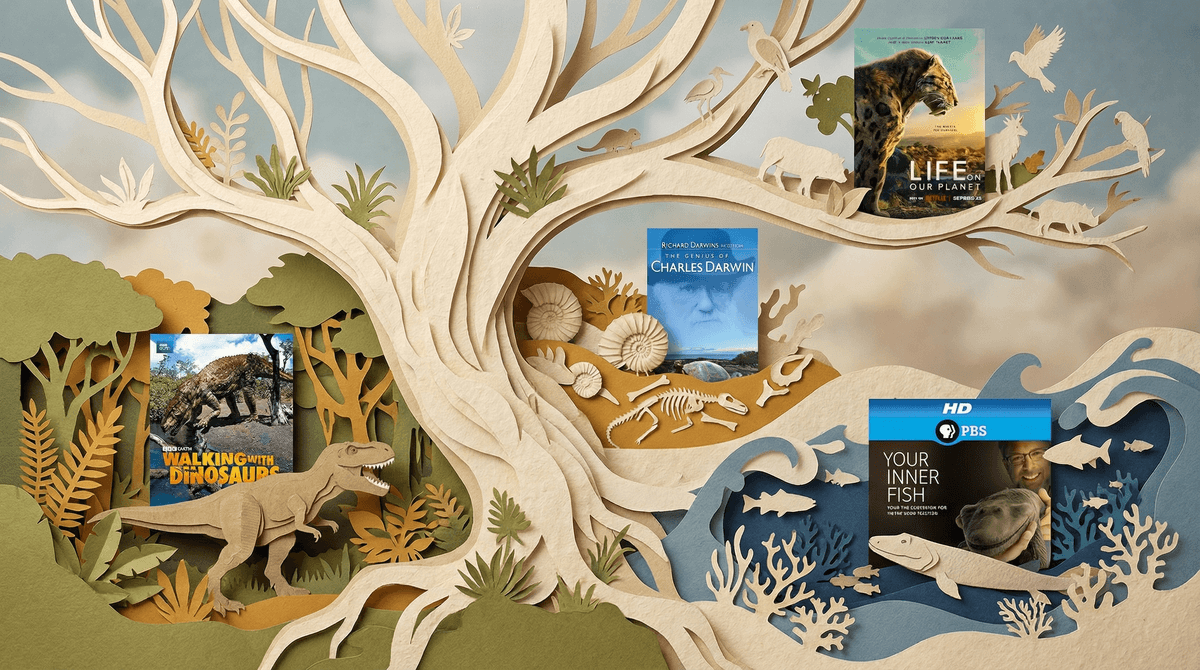
If your kid is used to 60-second explainers, the first twenty minutes might feel like a slog. However, there’s a specific kind of "deep work" that happens when you sit with a three-part documentary. It allows the weight of the evidence to actually sink in. The "Tree of Life" visual isn't just a cool graphic; it's a conceptual anchor that Dawkins returns to repeatedly to show how every living thing is connected. It’s the kind of show that works best on a rainy Sunday afternoon when you aren't rushing to get to soccer practice.
Navigating the Friction
The "elephant in the room" mentioned in the verdict is real: Dawkins is a professional provocateur when it comes to religion. He doesn't just present evolution as a biological fact; he presents it as the replacement for supernatural explanations.
For some families, this is the whole point—it’s a masterclass in secular scientific thought. For others, it’s a point of friction. If you’re looking for a more "middle of the road" or visually spectacular introduction to these concepts, you might want to check out our guide on interesting movies or documentaries about evolution for 8-12 year olds.
But there is a specific value in the Dawkins approach: it forces a conversation. Whether you agree with his world-view or not, he is world-class at explaining how we know what we know. He isn't asking you to take his word for it; he’s showing you the receipts.
Why it sticks
Even with an 8.4 IMDb rating, this isn't "entertainment" in the way a Marvel movie is. It’s nourishment.
- The Logic: It moves from A to B to C. By the end of the third part, the "Genius" of Darwin’s theory isn't just a slogan; it's something the viewer actually understands.
- The Stakes: Dawkins makes it clear why this matters. Evolution isn't just a chapter in a textbook; it’s the story of why we exist.
- The Authority: There is something to be said for learning from a person who has spent their entire life defending and explaining these specific ideas.
If your kid is a "why" person—the kind who isn't satisfied with "because it is"—this is the antidote to vague science education. Just be prepared to pause it every once in a while to talk through the big, heavy ideas he throws at the screen.