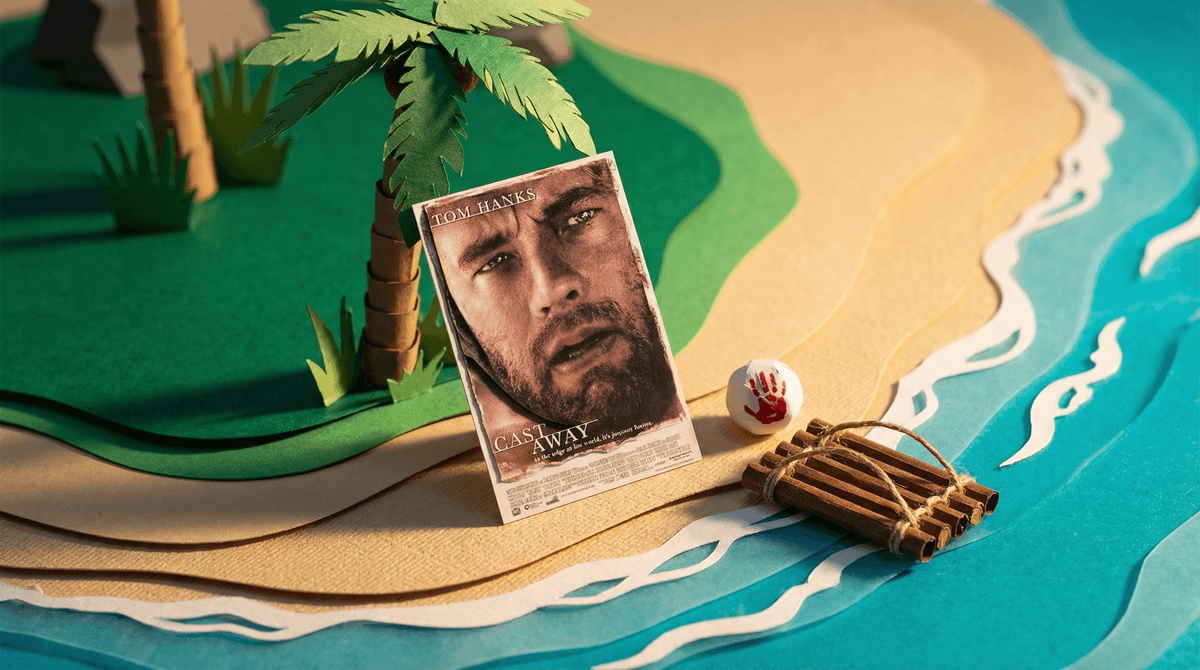
The ultimate survival simulator
If your kid spends hours playing survival games where they have to manage hunger bars and craft tools from sticks, they might find the middle hour of this movie strangely relatable. It is essentially a live-action version of those mechanics. There are no zombies or monsters, just the relentless physics of the ocean and the physics of a FedEx box.
The film creates a fascinating contrast between the high-speed, "time is everything" world of global logistics and the absolute stillness of the island. Watching the main character figure out how to open a coconut or catch a fish is a masterclass in problem-solving. It shows why Cast Away is the definitive "Tom Hanks on an island" movie because it doesn't cheat. He doesn't find a hidden bunker with supplies. He has to fail, get hurt, and try again. For a teenager used to instant gratification, seeing that level of persistence is a necessary reality check.
The Wilson factor
We need to talk about the volleyball. It sounds ridiculous on paper, but the emotional weight given to an inanimate object is what makes the movie stick. For a generation that navigates digital-only friendships and personified AI, the idea of creating a companion to maintain sanity is a heavy concept to chew on.
When that ball eventually drifts away, it hits harder than most character deaths in modern blockbusters. It's a great entry point for a conversation about how humans are hardwired for connection. We don't just want to survive; we need someone to witness that we are surviving. If your kid thinks the "talking to a ball" parts are weird, ask them why they think he did it. The answer usually leads to some pretty deep places regarding mental health and isolation.
Life after the island
Most survival movies end the moment the rescue helicopter appears. This one doesn't. The final act deals with the awkwardness of returning to a world that moved on without you. The person he loved is gone, his job has changed, and he’s stuck staring at a table full of food he once would have died for.
This part is often where younger viewers check out, but it’s actually the most profound section of the film. It moves the story from a simple adventure to a drama about "what comes next." It’s bittersweet and avoids the easy, happy ending. If you can get your teen to sit through the quiet parts, the payoff is a much more mature look at how trauma and time change people. It’s a movie that respects the audience enough not to wrap everything up with a bow.
How to watch it
Don't treat this like a typical Friday night popcorn flick. It’s too slow for that. It works best as a "rainy Sunday afternoon" movie when the house is already quiet. If you’re worried about the 13+ rating, the plane crash is the main hurdle. It is visceral and chaotic. Once they get past that and the infamous tooth scene, the rest is mostly a meditative study on human grit. If they liked the resourceful vibes of The Martian, this is the low-tech, high-emotion version of that same spirit.