Brainingcamp

Brainingcamp

Website

WISE
89%

WISE Score

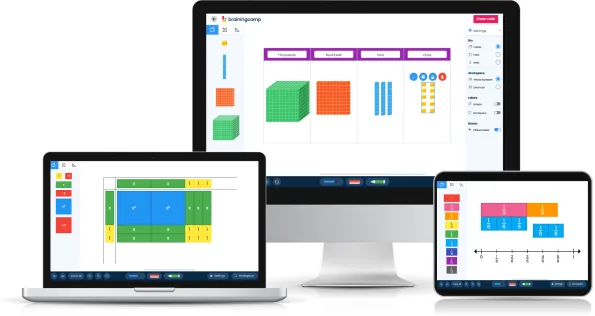
The digital version of those plastic math blocks, minus the clutter and the privacy concerns.

Where to Find

Visit Brainingcamp
Screenwise Verdict

Brainingcamp is the rare piece of EdTech that doesn't try to bribe kids with 'fun' to get them to do 'work.' It assumes that math is actually interesting if you can see it and touch it. By ditching the badges and the leaderboards, it creates a quiet, focused space for genuine learning.

From a safety perspective, it's a unicorn. Most school apps are data-harvesting machines, but Brainingcamp’s use of shared logins is a massive win for parents who want to keep their kids' identities off the open web. If your school doesn't already provide this, it's one of the few educational tools actually worth the personal subscription price.

Age Fit

Perfect for grades K-8. Younger kids will live in the ten-frames and clocks; middle schoolers will actually start to understand algebra through the tiles.

WISE Breakdown
Wholesome
90

It's a pure utility tool. No social pressure, no manipulative 'streaks' or dopamine-loop badges, and a clean, focused interface that treats kids like students rather than consumers.

Imaginative
72

While it's math-focused, it's a sandbox. Kids aren't just clicking 'A' or 'B'; they are building models, decomposing fractions, and visualizing numbers in a way that requires creative thinking rather than just memorization.

Safe
98

Top-tier privacy approach. By using generic, shared logins instead of individual student profiles, they sidestep the data-collection trap that plagues most EdTech. Ad-free and no unmoderated social features.

Enriching
94

This is the gold standard for conceptual math. It moves kids past 'drill and kill' worksheets and helps them see *why* math works through 17 different virtual manipulatives. It's a high-value use of screen time.

Parent Info
✓

Why It Might Be Great

  • Conceptual depth that helps kids 'see' math instead of just memorizing formulas for a test.
  • Zero 'gamified' junk—no annoying sound effects, flashy animations, or fake currencies to distract from the actual work.
  • Privacy-first design using shared classroom logins so your kid doesn't need a personal digital footprint to learn fractions.
  • Versatile toolkit covering everything from basic counting and base-ten blocks to algebra tiles and geometry.
⚠

What to Watch For

  • The full suite requires a paid subscription, and while many schools provide it, individual home access is a separate cost.
  • It is a utility, not a game, so a kid who is used to 'math games' like Prodigy might find it 'boring' at first until they realize they're actually building things.
  • The 'LIVE' feature allows teachers to see student screens in real-time, which is great for instruction but requires an active classroom setup.

Conversation Starters

  • "Can you show me how you'd explain 3/4 using the fraction tiles instead of just writing the numbers?"
  • "Why do you think it's easier to see the answer with the blocks than just doing it in your head?"
  • "If we had to build this math problem out of LEGOs, how would it look compared to the digital version?"

Ask Anything

Get a personalized guide on any topic