Road rage as spiritual therapy
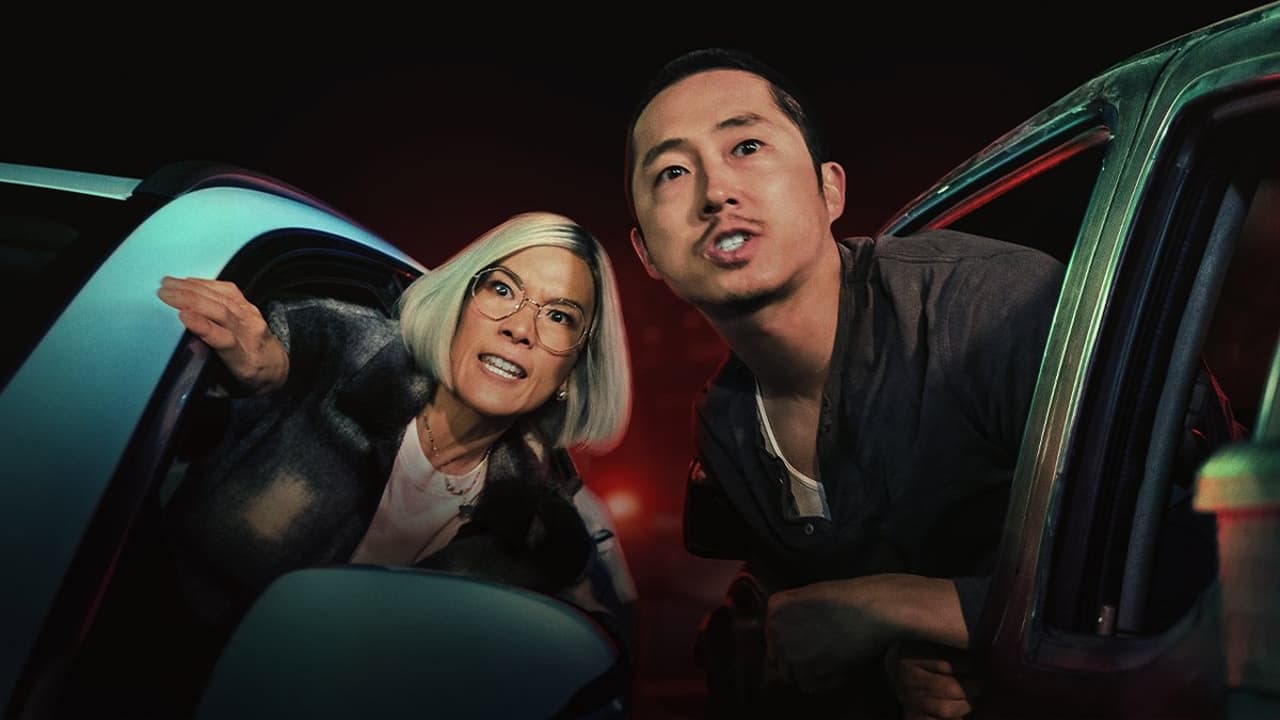
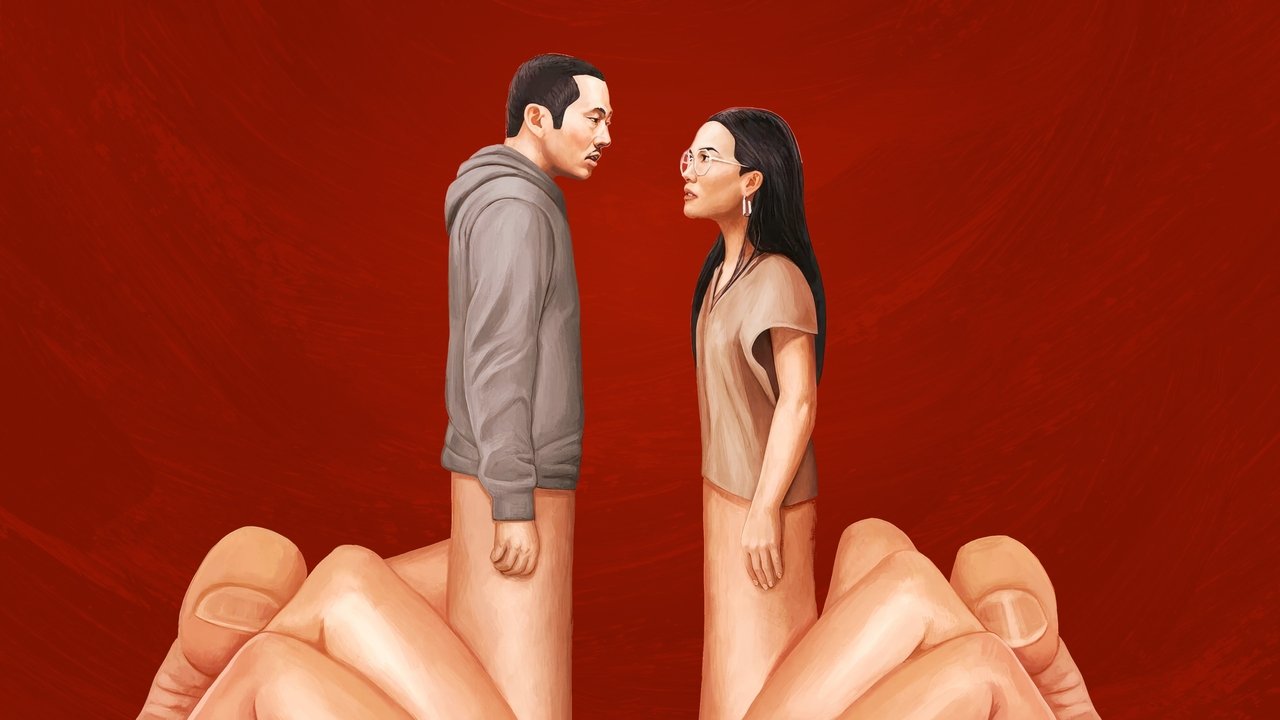
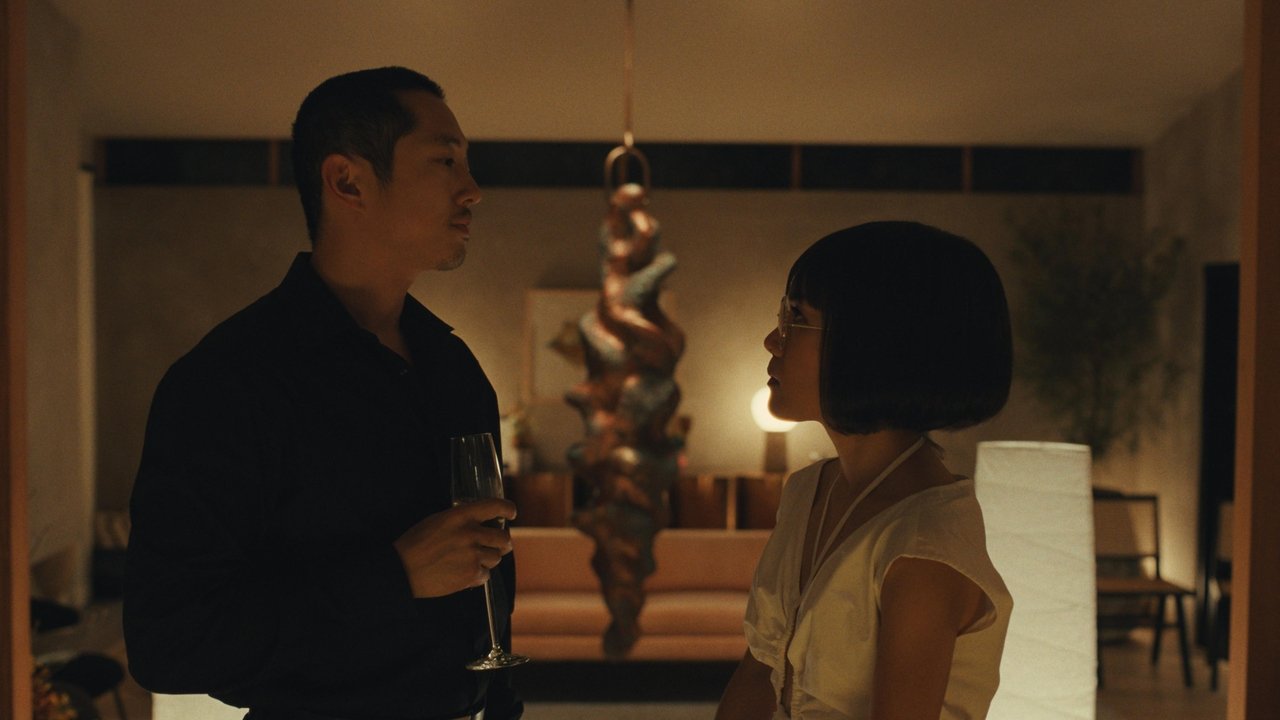
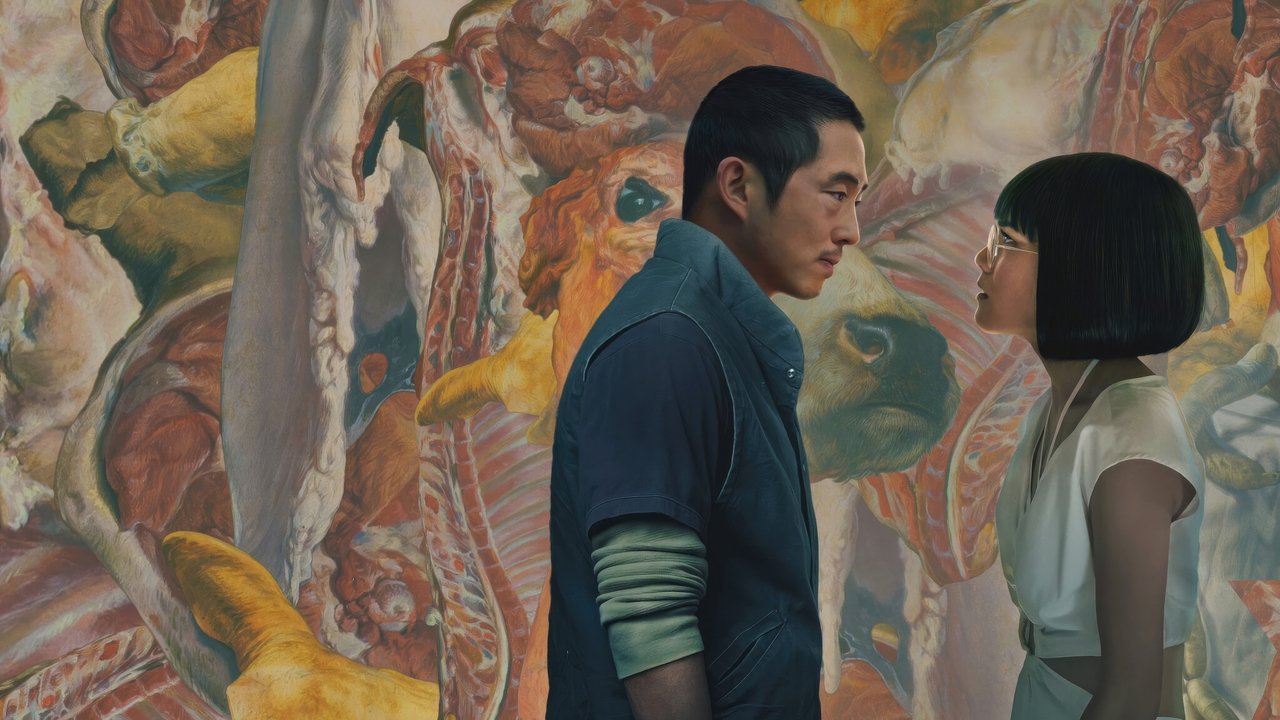
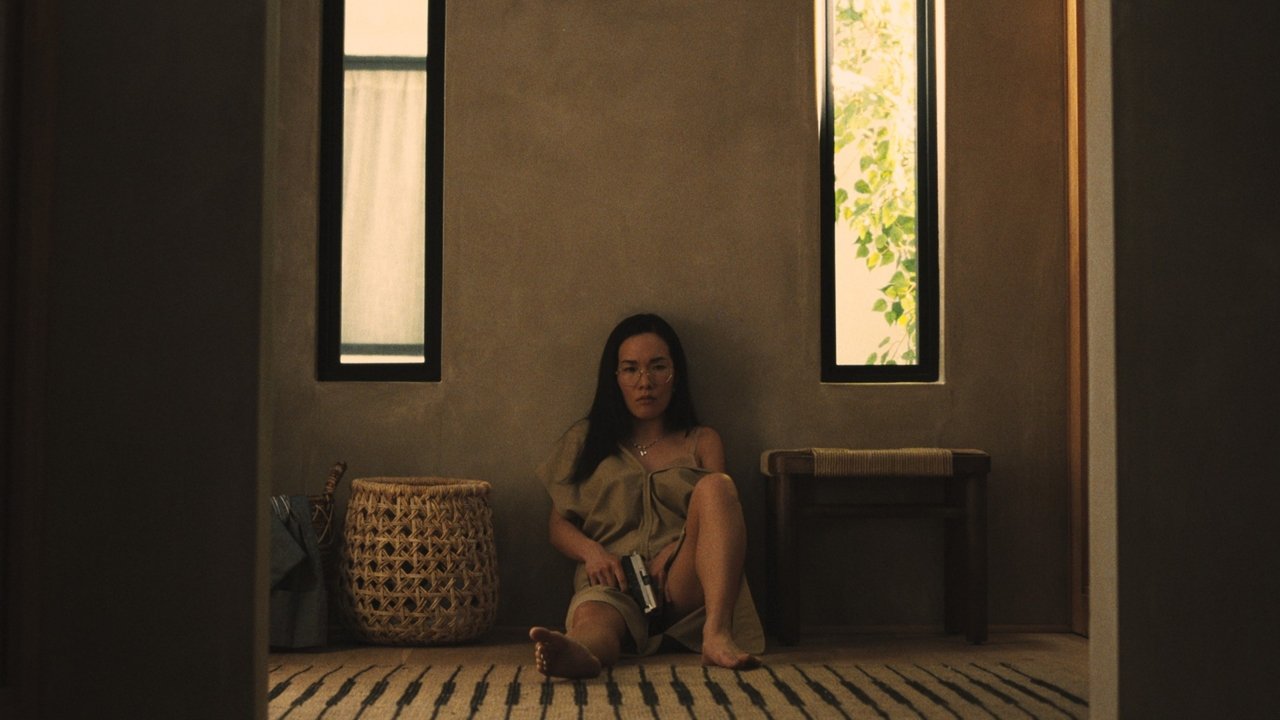
Most shows about bad behavior make excuses for their protagonists. BEEF does something far more interesting: it shows how thrilling toxicity can feel when your day-to-day life is an endless slog of polite repression. Amy (Ali Wong) has a picture-perfect home, a gentle artist husband, and a multimillion-dollar business deal on the hook. Danny (Steven Yeun) is a struggling handyman scraping pennies together while falling for every low-rent hustle that crosses his path. When their bumpers nearly touch outside a big-box store, the resulting horn-honking chase across suburban lawns unlocks something feral in both of them.
Creator Lee Sung Jin paces the feud like a runaway train. At first, the retaliations feel almost like high-stakes prank comedy—defacing bathroom walls, leaving bad Yelp reviews, catfishing a younger brother. But the show never treats their spite as harmless fun. Every time Danny or Amy scores a point, real-world collateral damage piles up around their families.
The late-season turn
If you decide to co-watch this with an older teenager, prepare for a sharp genre shift around episode eight. What starts as a biting character study detours hard into a bloody thriller. Guns come out, criminals get involved, and the collateral damage turns permanent.
Yet the penultimate desert episode brings the whole mess to a stunning, hallucinogenic halt. Stripped of their phones, cars, and reputations, the two leads finally say out loud the things they have hidden from their spouses and therapists for decades. It is uncomfortable, funny, and surprisingly cathartic television.