The YouTube effect
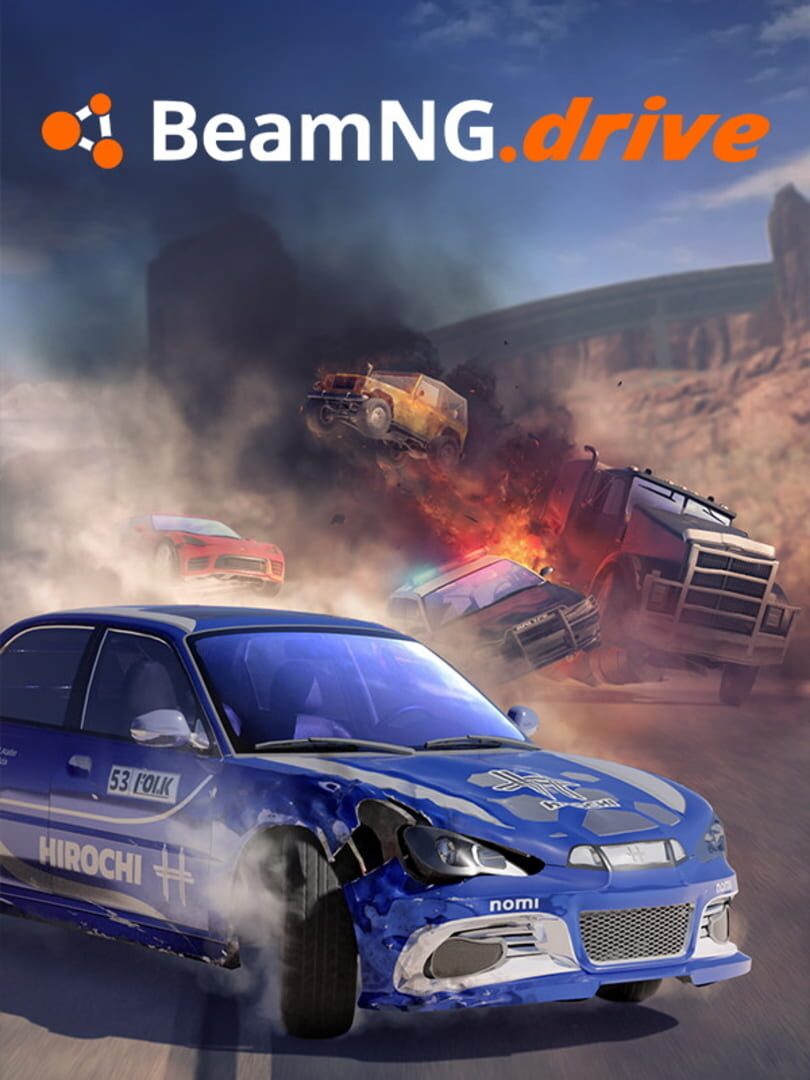
If your kid is asking for this, they probably didn’t find it on a store shelf or a "best of" list. They found it on social media. BeamNG.drive is the undisputed king of short-form "satisfying" video content. You’ve likely walked past a screen and seen a bus being dropped into a giant blender or a line of cars hitting a massive speed bump at 100 mph.
This creates a specific expectation: that the game is a non-stop explosion of chaos. In reality, setting up those scenarios takes patience. It’s a sandbox, not an arcade. There are no flashing lights telling you "Level Complete." If your kid lacks the attention span to set their own goals or navigate nested menus, they will bounce off this in thirty minutes. But for the kid who spent their toddler years lining up Matchbox cars just to see them collide, this is the ultimate digital upgrade.
It’s a physics engine first, a game second
Most driving games are "faking it." When you hit a wall in Forza or Mario Kart, the game plays a "crunch" sound and maybe adds a few scratches to the paint. BeamNG.drive actually calculates the stress on every individual beam and piece of metal. If you clip a curb too hard, you don’t just lose points—you bend the tie rod, and the car won't steer straight anymore.
This makes it one of the most effective physics games for kids currently on the market, even if it doesn't look like an "educational" title. It forces a primitive understanding of weight transfer and inertia. You can’t just floor it around a corner; the car will roll. It’s a masterclass in consequences. It’s also why it’s so popular with the crowd currently obsessed with car culture and vintage aesthetics, tapping into the same energy that makes Bullitt: Why This 60s Icon is All Over Your Kid’s Feed a recurring topic in gaming circles.
The "beefy PC" tax
Do not ignore the hardware requirement. This game is famously unoptimized for low-end machines because the physics calculations are incredibly heavy on the processor. If your kid is trying to run this on a standard school laptop or an aging family desktop, it will look like a slideshow.
The "friction" here isn't just the difficulty of the driving; it's the technical overhead. To get the most out of it, players usually end up browsing the official forums for mods—new maps, new cars, new scenarios. It’s a great way for a kid to learn how to manage files and troubleshoot software, but it means you might be called in to help "fix" a broken mod every other weekend.
Beyond the crash
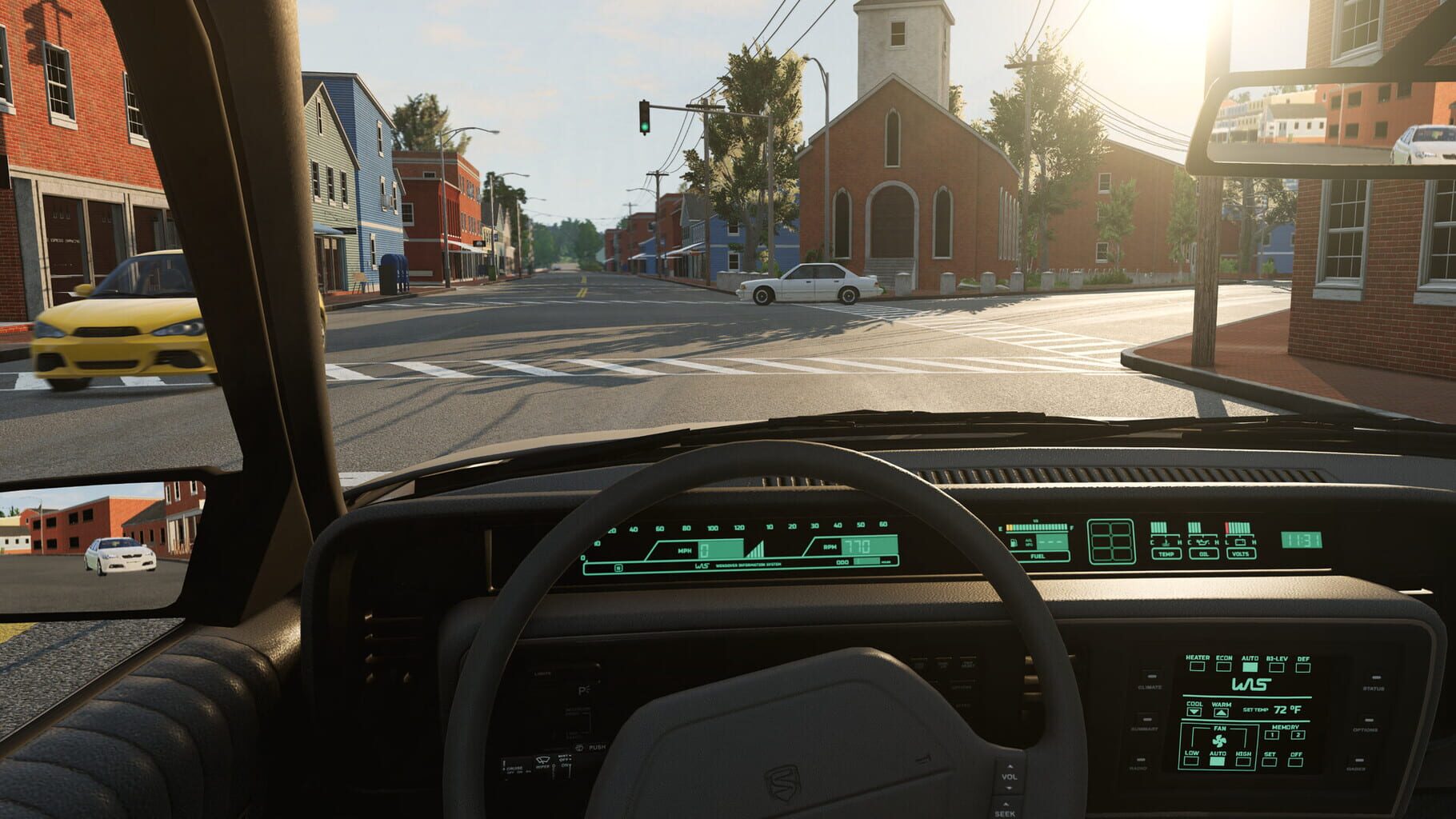
While the destruction is the hook, the game has a surprisingly deep "civilian" side. There are delivery missions, police chases, and rock-climbing trails. Some of the most dedicated players don't crash at all; they spend hours trying to navigate a semi-truck through a narrow mountain pass without a single scratch.
If you see your kid moving away from the "bridge jump" videos and toward the more technical driving, they’ve moved past the spectacle and into the simulation. That’s usually the sign that this isn't just a phase, but a genuine interest in how machines work.