The Pivot from Pink
If your image of Barbie is still stuck in the 90s—all high heels and no visible career path—this series will be a surprise. It Takes Two is the culmination of a massive brand pivot that started a few years ago. It moves away from the "Barbie can do anything" (which often meant "Barbie is instantly perfect at everything") and moves toward "Barbie has to work for it."
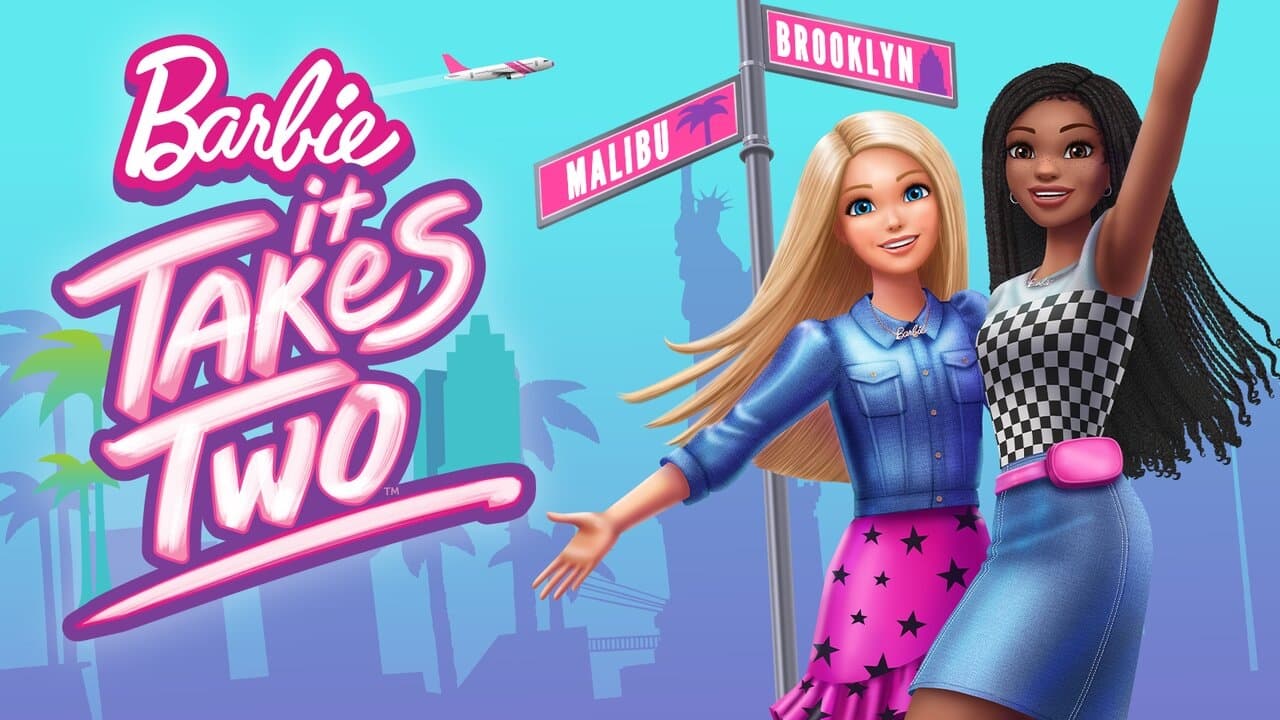
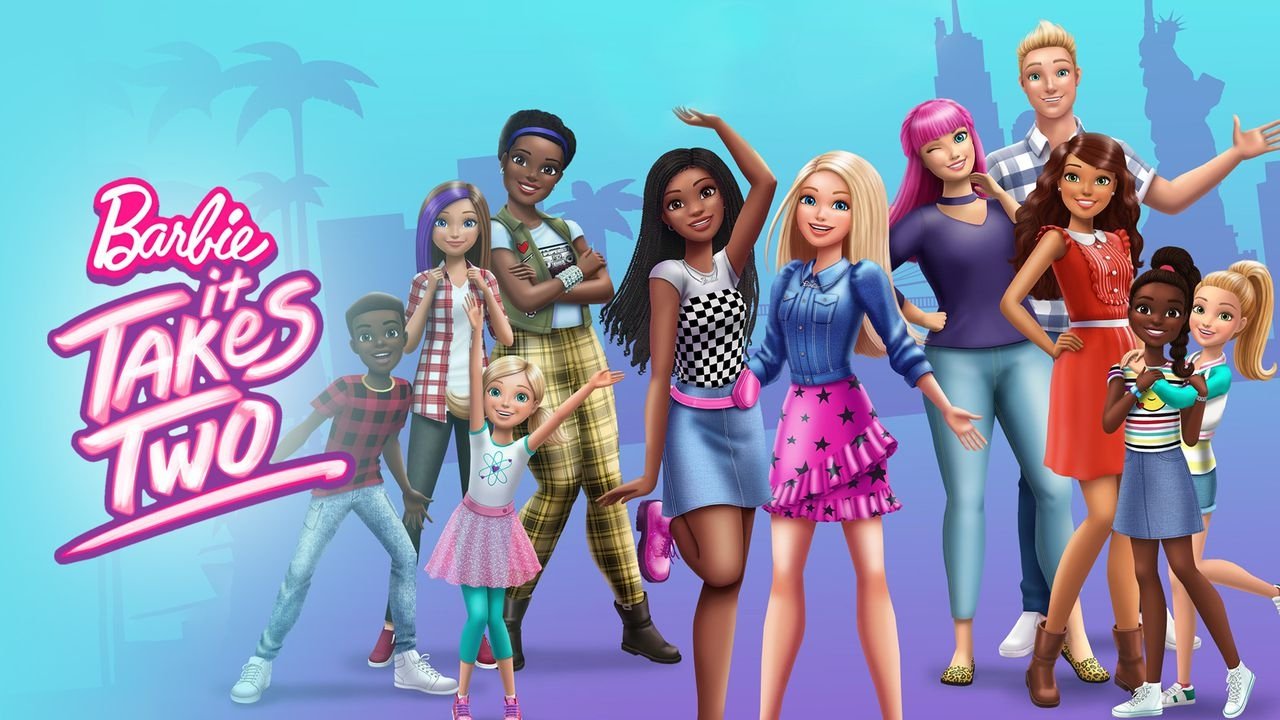
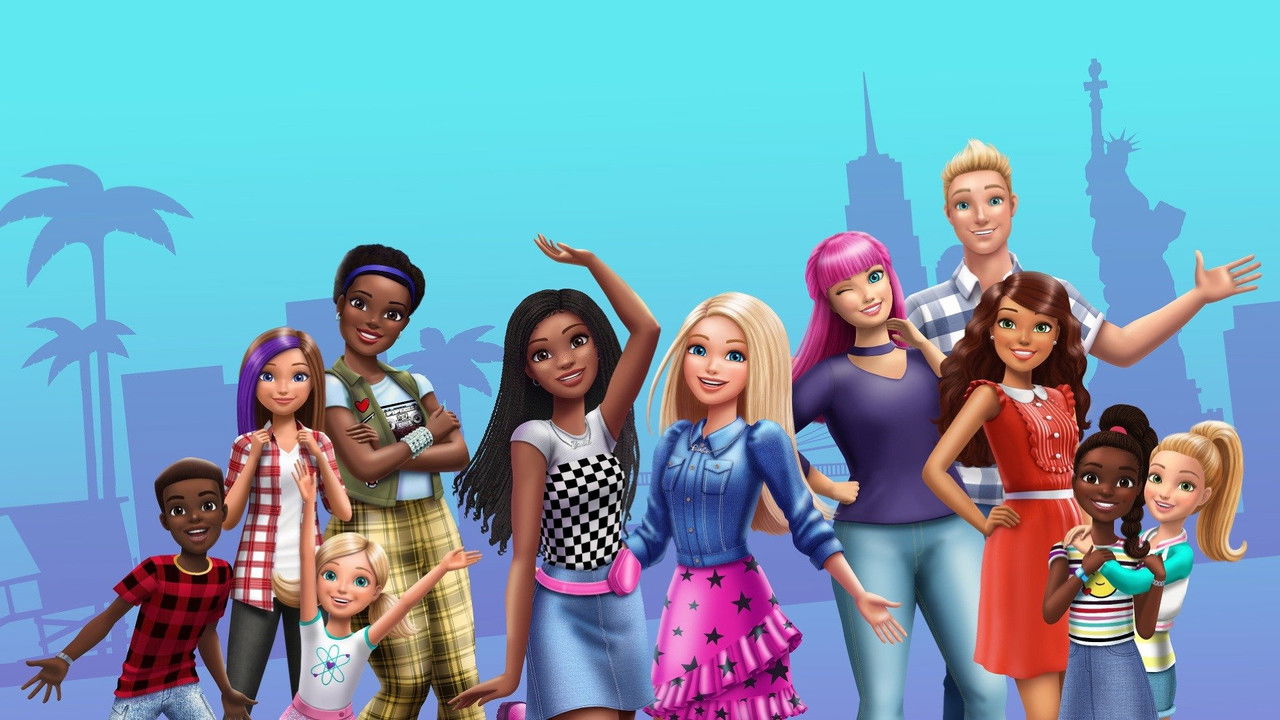
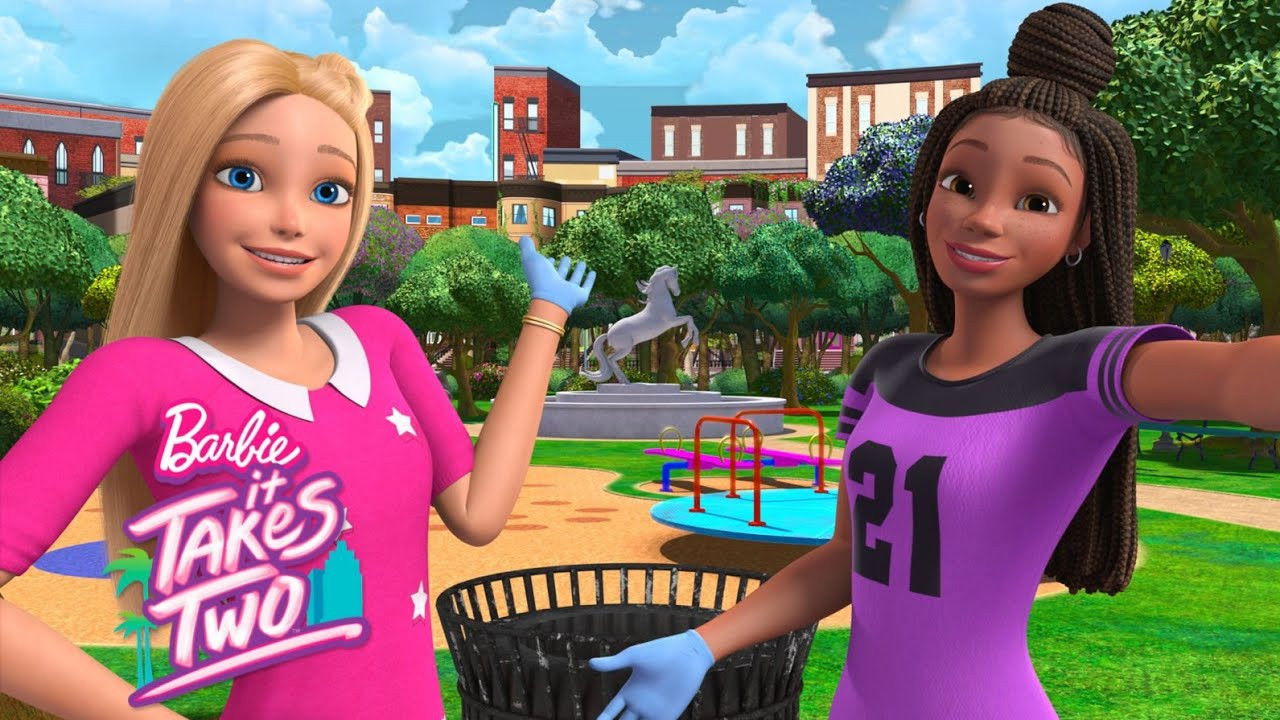
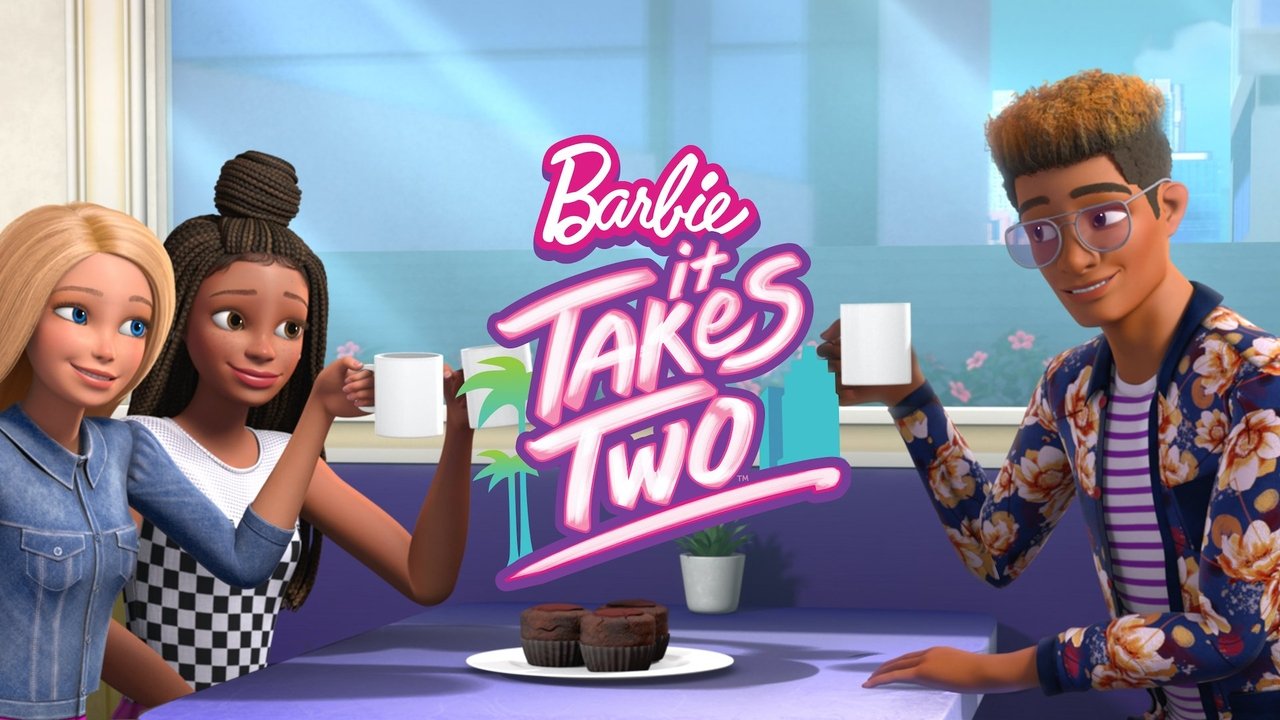
The show picks up where the movie Big City, Big Dreams left off, planting Malibu and Brooklyn Roberts in a performing arts academy in New York. The stakes aren't world-ending; they’re social and professional. We’re talking about missing a subway, bombing an audition, or navigating the awkwardness of having two people with the same name in the same friend group. It’s relatable in a way the older, more fantastical Barbie entries never tried to be.
The "Brooklyn" Factor
The smartest thing the franchise did was introduce Barbie "Brooklyn" Roberts. By having two leads who share the name but have completely different vibes, the show avoids the "perfect girl" trap. Malibu is the classic, slightly bubbly optimist, while Brooklyn is often the more grounded, street-smart counterpart.
Their dynamic is the engine of the show. Instead of a hero and a sidekick, you get a genuine partnership. They check each other’s egos and support each other through the inevitable "I'm not good enough" moments that come with being a middle-schooler in a high-pressure environment. If your kid is starting to navigate collaborative projects or team sports, the way these two handle creative friction is actually a great blueprint.
Competence over Magic
A lot of kids' media relies on a "chosen one" trope or a magical shortcut. It Takes Two leans into the grind. The girls are at a prestigious school because they are talented, but they stay there because they practice. You see them rehearsing until they’re tired, dealing with teachers who give tough critiques, and figuring out how to market themselves.
It’s "competence porn" for the elementary school set. Watching characters get better at a skill through effort is satisfying for kids who are currently struggling with piano lessons or soccer drills. It frames the "hustle" as something fun and rewarding rather than a chore.
How to Think About the "Commercial" Aspect
Let’s be real: this is a Mattel production. Every new outfit, scooter, or musical instrument is a product you can find on a Target shelf. However, unlike the toy-based cartoons of the 80s that were essentially 22-minute long-form ads with zero plot, the writing here is actually sharp.
The dialogue is fast, the humor occasionally winks at the parents, and the production value is high enough that it doesn't feel like a budget cash-grab. If you’re worried about the "I want that" factor, use the show’s own logic: the Barbies have to earn their gear and their opportunities. It’s a low-stakes way to talk about the difference between wanting a cool toy and the effort the character put in to earn the moment associated with it.
If Your Kid Liked...
- Barbie Dreamhouse Adventures: This is the natural next step. It’s a bit more focused and less "sitcom-y."
- My Little Pony: Friendship is Magic: You’ll recognize the "friendship as a superpower" theme, but traded for a more realistic, urban setting.
- High School Musical (The Series): If they like the theater-kid energy but aren't quite ready for the teen romance and drama of Disney+ originals, It Takes Two hits that sweet spot.