The "Map Game" Reality Check
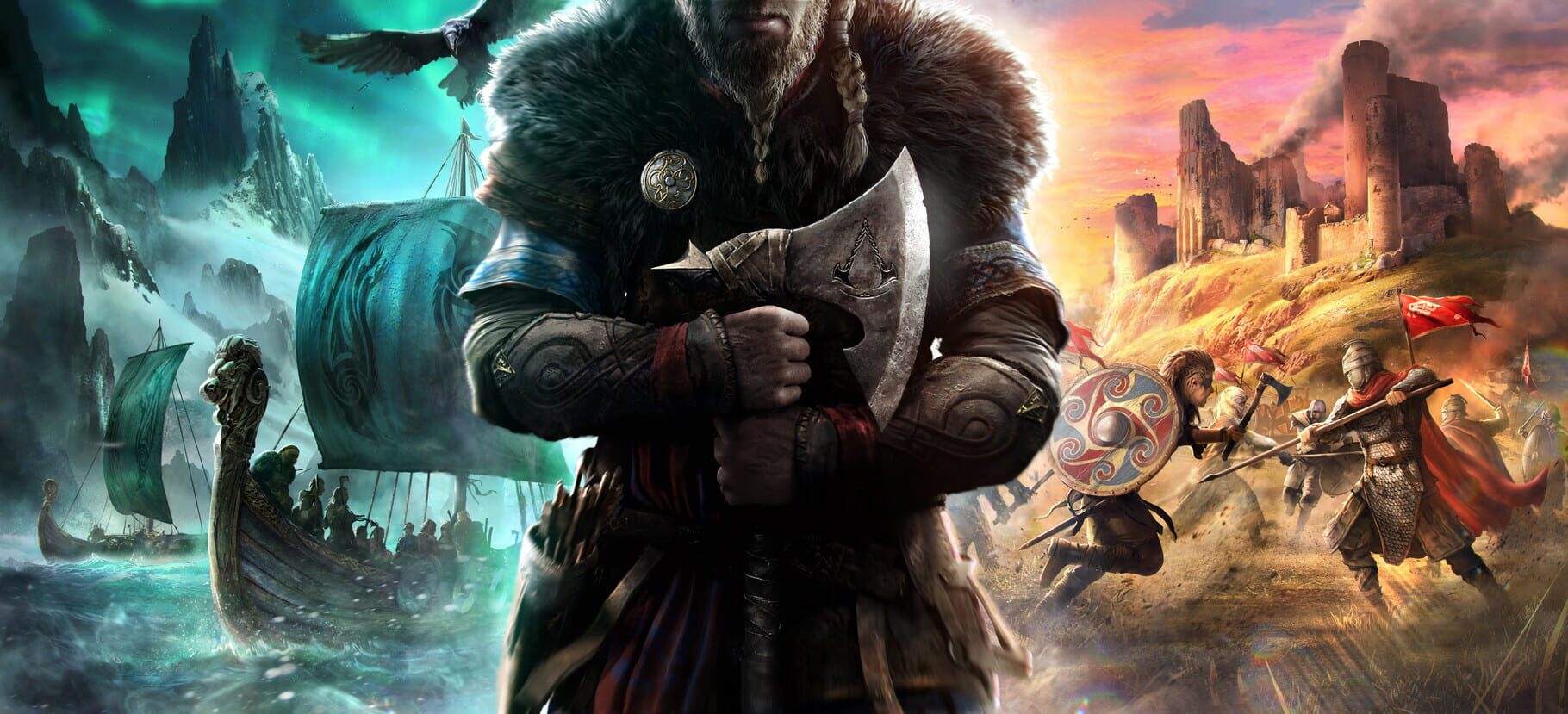
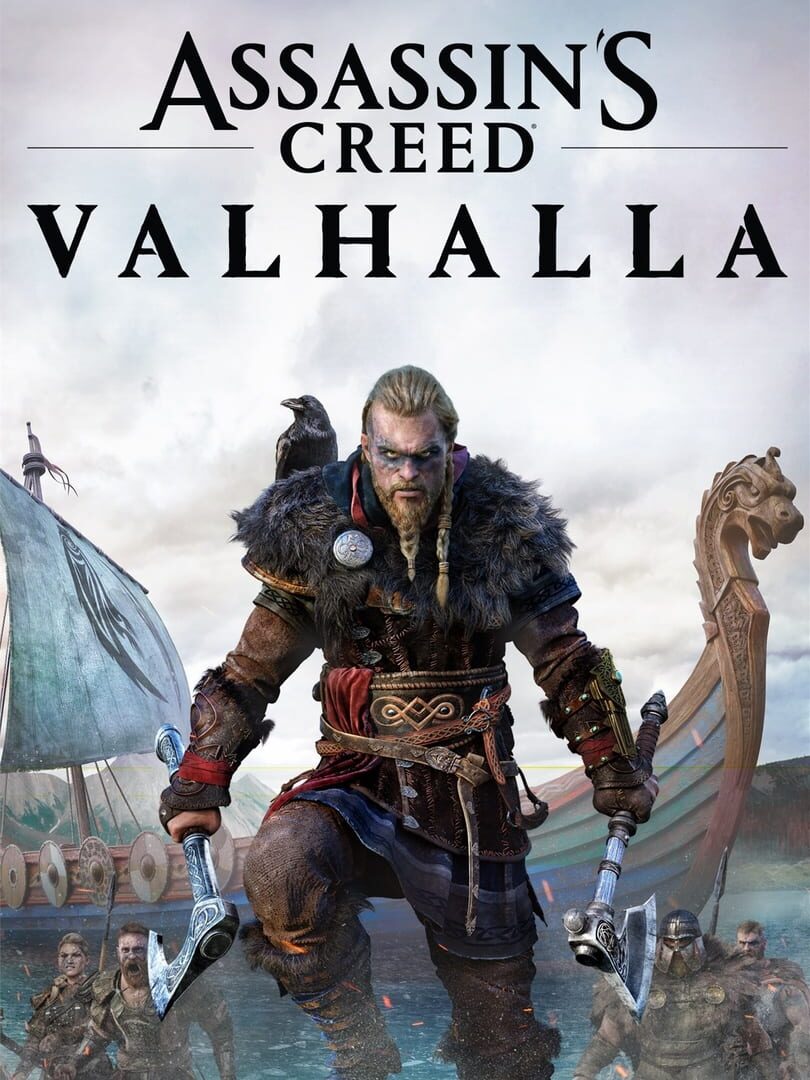
If you’ve played an open-world game in the last decade, you know the Ubisoft formula: a massive map littered with hundreds of icons, side quests, and collectibles. Valhalla is the peak of this "map game" energy. It is staggeringly large. For an adult player, this is either a dream come true or a daunting second job. You aren't just playing through a story; you’re managing a settlement, forging political alliances across several kingdoms, and hunting down a massive list of targets.
The IGDB score sitting in the mid-70s reflects this. It’s a very good game, but it can feel bloated. If your teen is the type to get obsessed with "clearing" a map, they will be busy for 100 hours. If they prefer tight, cinematic experiences, they’ll likely burn out before they even leave Norway for the shores of England.
Settlement Management vs. Raiding
While the marketing focuses on the axes and the screaming, the most interesting part of the game is Ravensthorpe, your home base. You aren't just a mindless killer; you’re a leader. You have to decide which buildings to upgrade—the blacksmith, the barracks, the bakery—and those choices dictate your power. It adds a layer of consequence that isn't present in every action game.
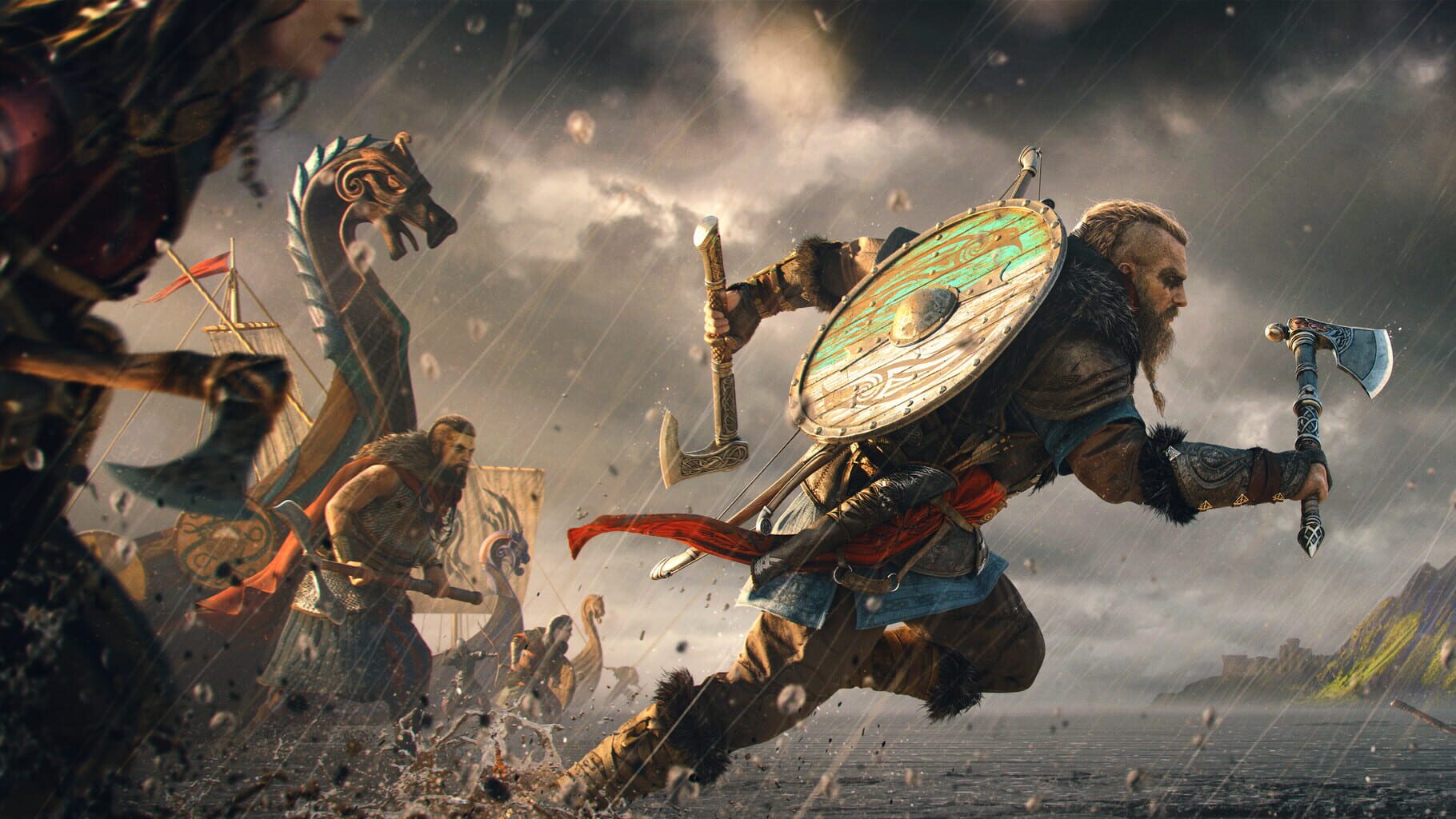
However, the "raiding" mechanic is where the friction lives for parents. To get the resources to build your town, you have to pillage monasteries. The game tries to keep it "heroic" by preventing you from killing civilians (you’ll get a "desynchronization" game-over screen if you go on a spree), but the core loop is still based on violent theft. It’s a perfect moment to talk about historical accuracy in video games and how to spot the difference between fact and "fun". The game paints Eivor as a noble settler, but history's take on Viking raids is much darker.
The Discovery Tour Hack
If the violence is the only thing keeping this off the family TV, there is a legitimate workaround. Ubisoft Montreal included a "Discovery Tour" mode that strips out the combat entirely. It turns the game into a massive, interactive museum. You can walk through 9th-century London or Winchester and learn about the architecture, the food, and the religion of the era without worrying about a stray axe to the face.
It is one of the best examples of games that teach history, turning screen time into something that actually sticks. If your kid is doing a unit on the Middle Ages or the Vikings, this mode alone is worth the price of a sale-priced copy.
If They Liked God of War
If your teen is coming off a God of War high, Valhalla will feel like a natural, albeit more grounded, successor. It leans heavily into Norse mythology—you even get to "visit" Asgard in certain sequences—but it trades the over-the-top god-slaying for a grittier, mud-and-blood historical vibe. Just be aware that while God of War is a father-son story, Valhalla is much more about the politics of conquest. It’s less about feelings and more about who owns which piece of land.
If they want the mythology without the M-rated gore, this isn't it. But for an older teen who can handle the "cinematic thriller" aspects the critics mention, it’s a deep dive into a world that feels lived-in and dangerously real.