The Original Hater
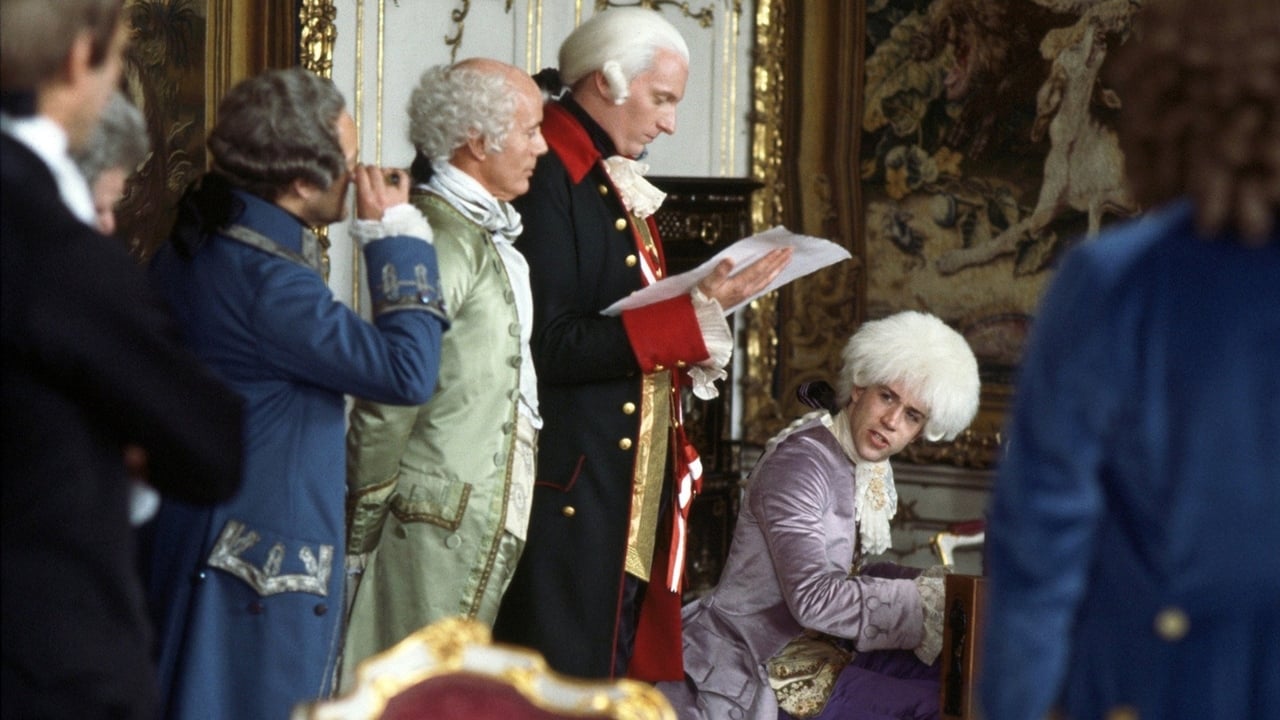
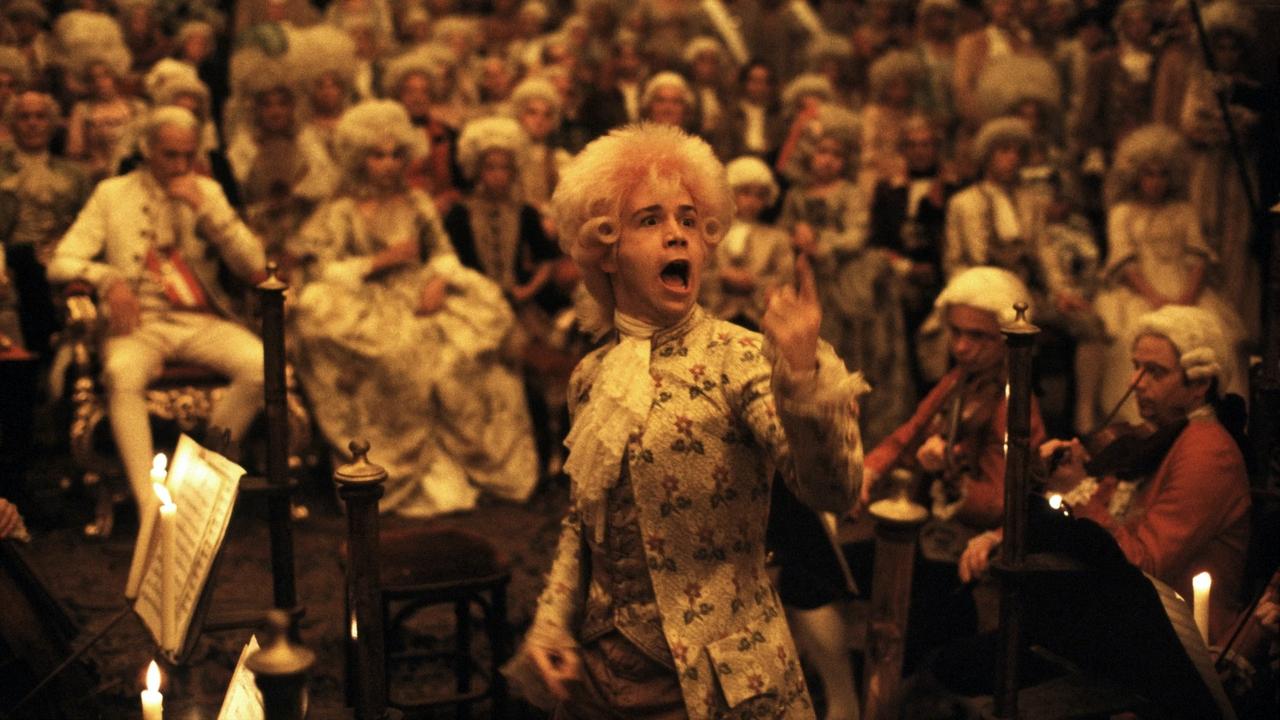
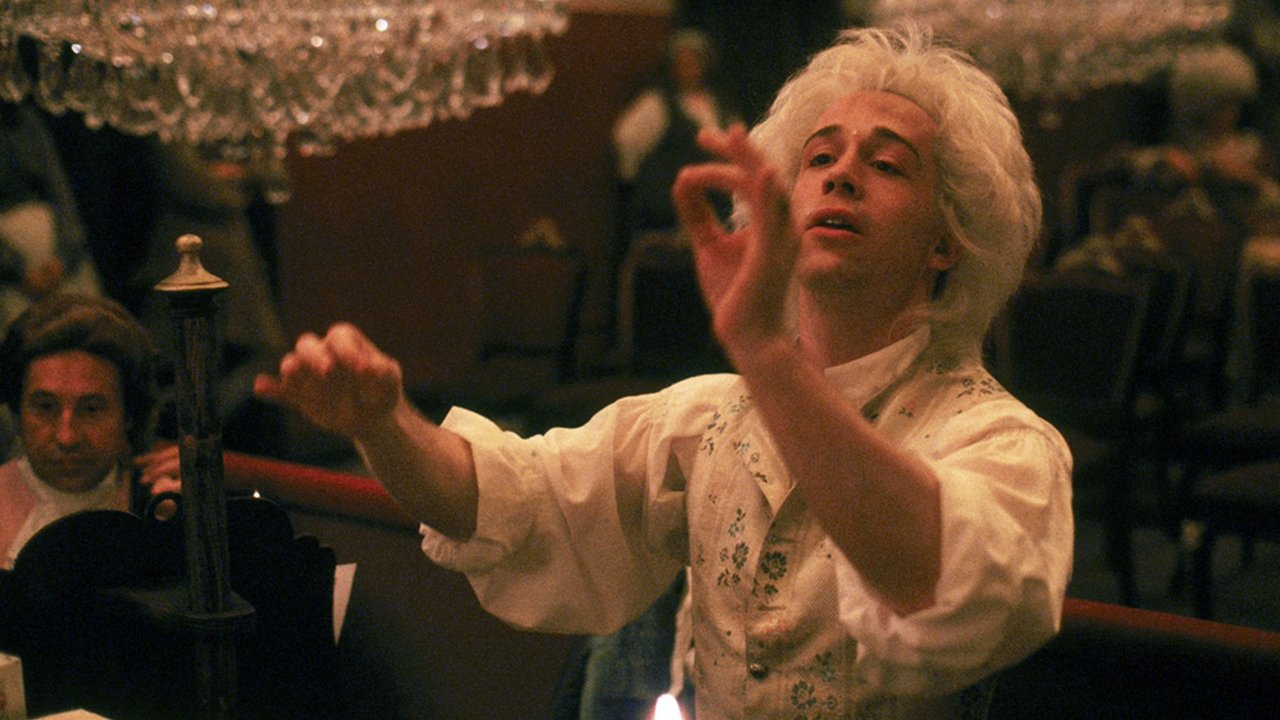
Most period dramas from the 80s feel like they're covered in a layer of dust. Amadeus is the exception. It’s vibrant, loud, and surprisingly petty. The central conceit—that the 'patron saint of mediocrity' Antonio Salieri is telling the story of how he destroyed Mozart—is a brilliant narrative hook that keeps it from ever feeling like a lecture.
Why It Still Works
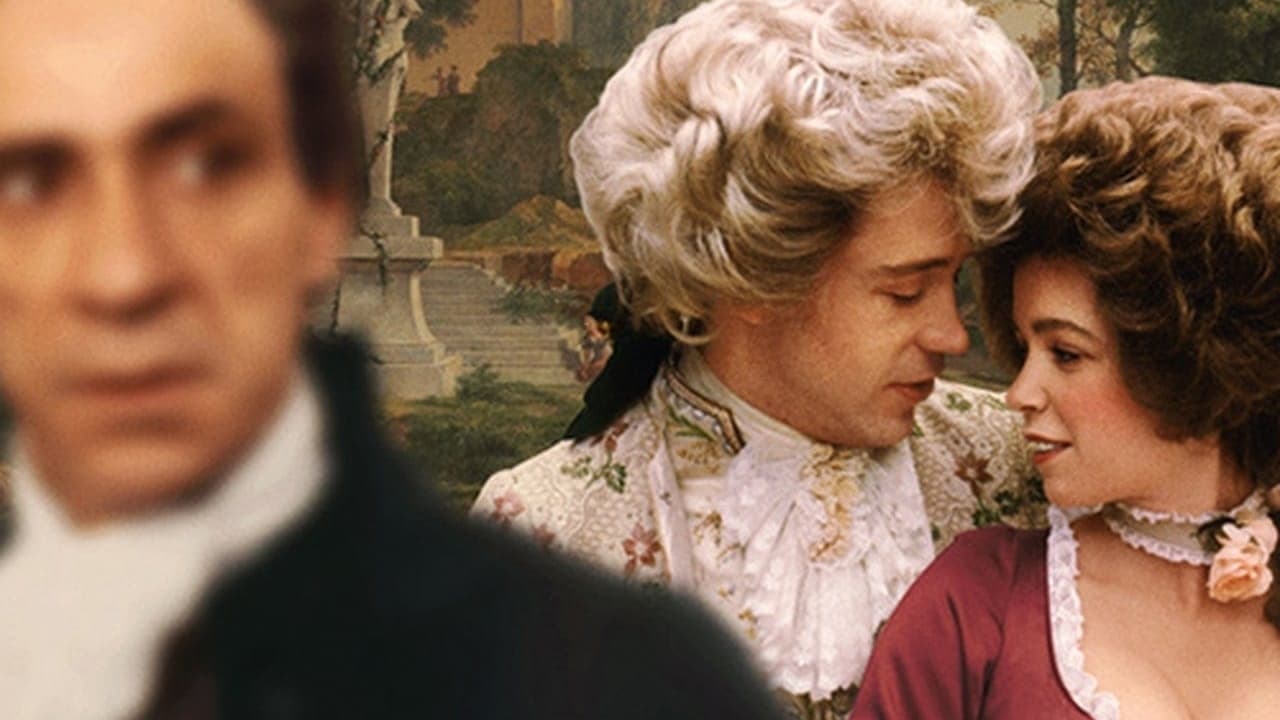
What makes this film work for a 2026 audience is the 'Salieri Problem.' In an era of social media where everyone is constantly comparing their 'behind-the-scenes' to everyone else's highlight reel, Salieri’s burning resentment of Mozart’s effortless genius feels incredibly modern. He works hard, he prays, he follows the rules, and yet the 'voice of God' comes through a foul-mouthed, immature kid who doesn't seem to care about anything.
The Music as a Language
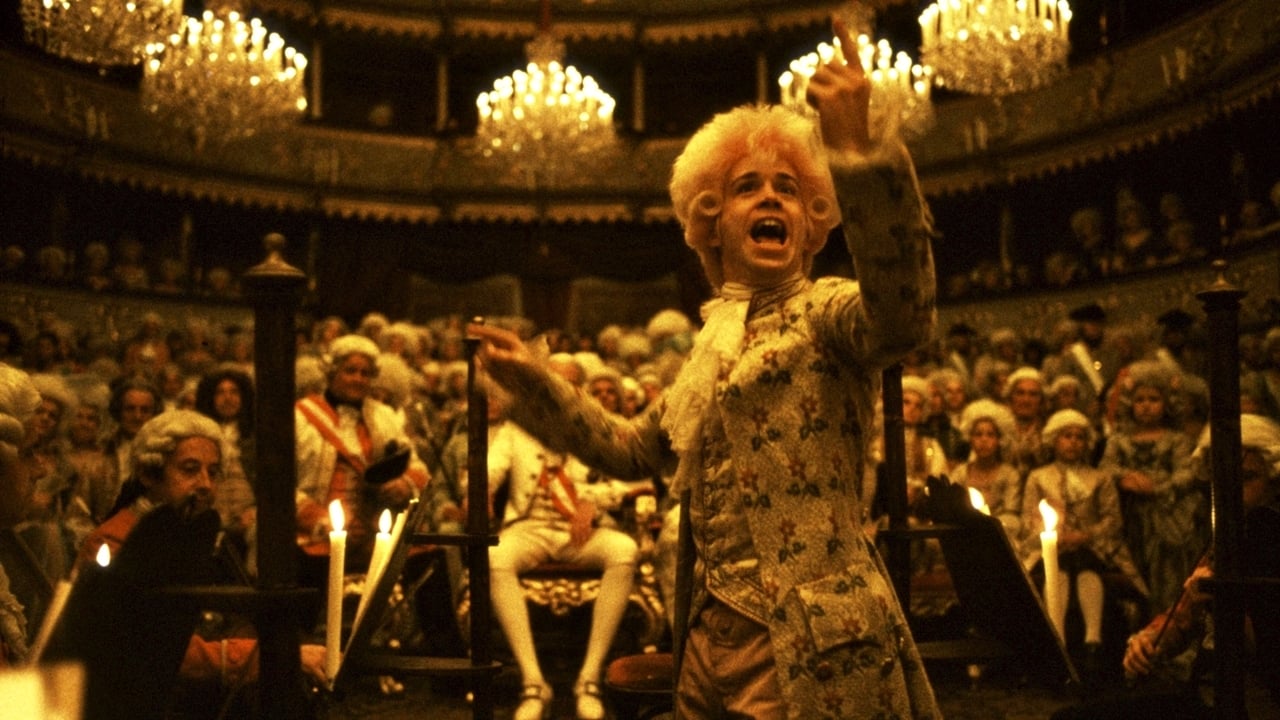
The film does something few others have mastered: it teaches you how to listen. When Salieri describes a piece of music, the film plays it, and you see exactly what he's talking about. It’s a bridge between the technical complexity of classical music and the emotional impact it has on the listener.
If you're going to watch it with your teen, maybe break it into two nights. It's a lot of movie. But don't skip it just because it's 'old.' It's one of the few films that actually earns its Oscars.