The "Brainrot" Ancestor
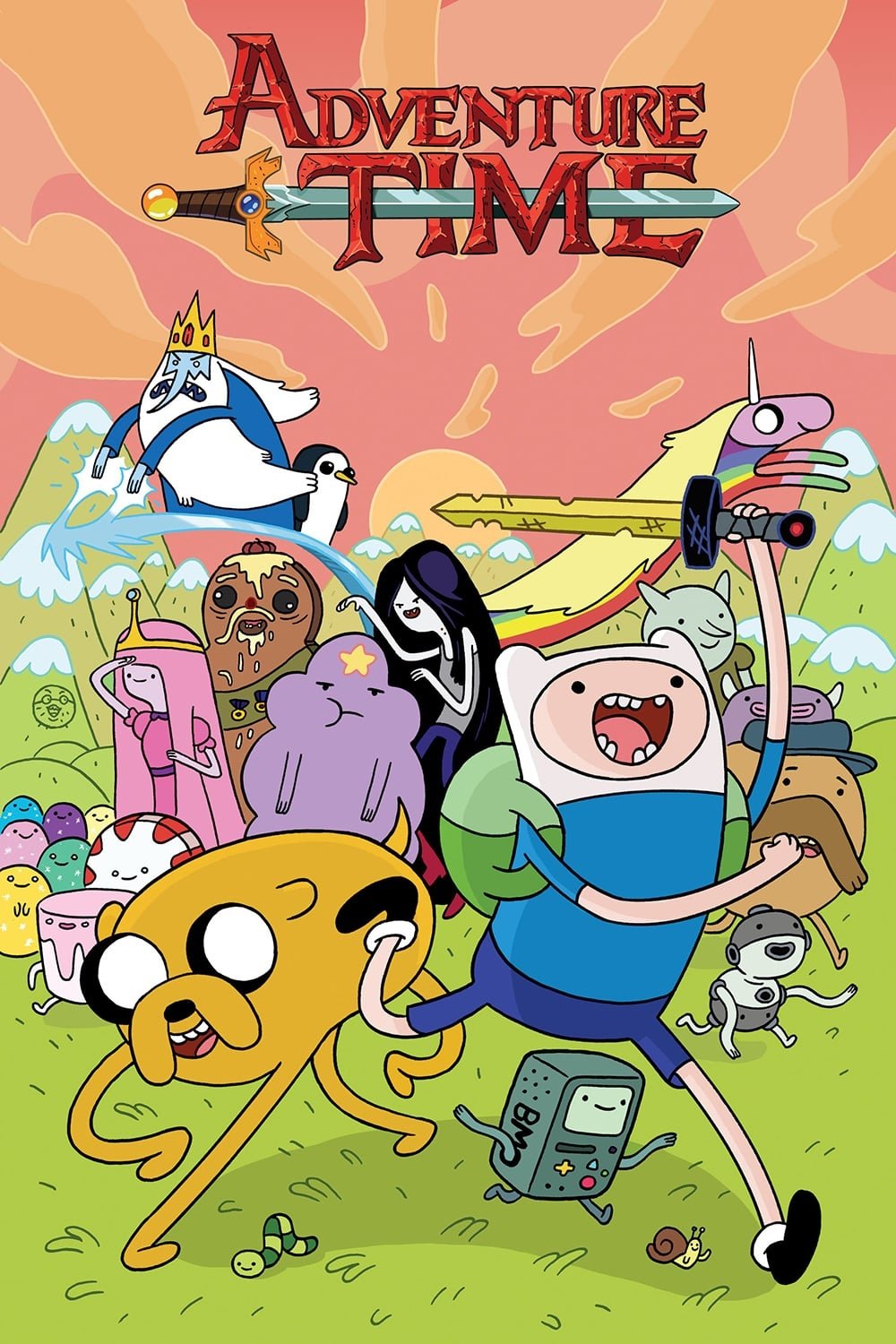
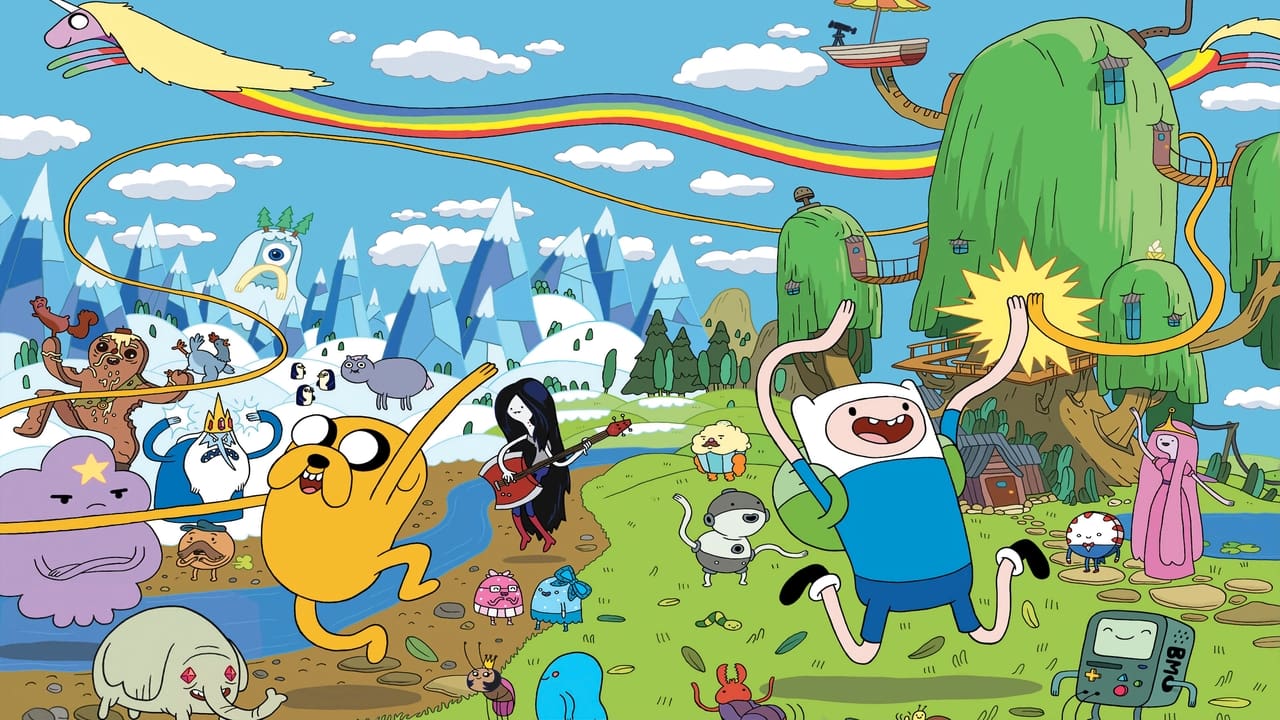
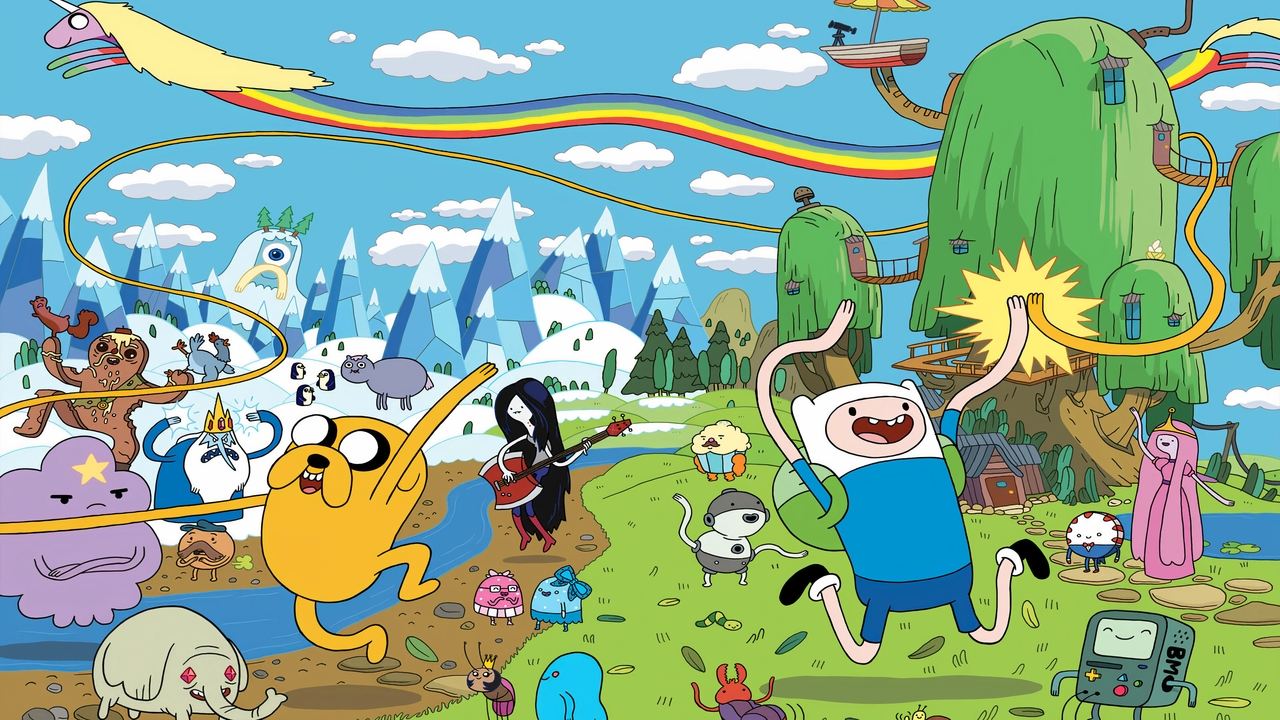
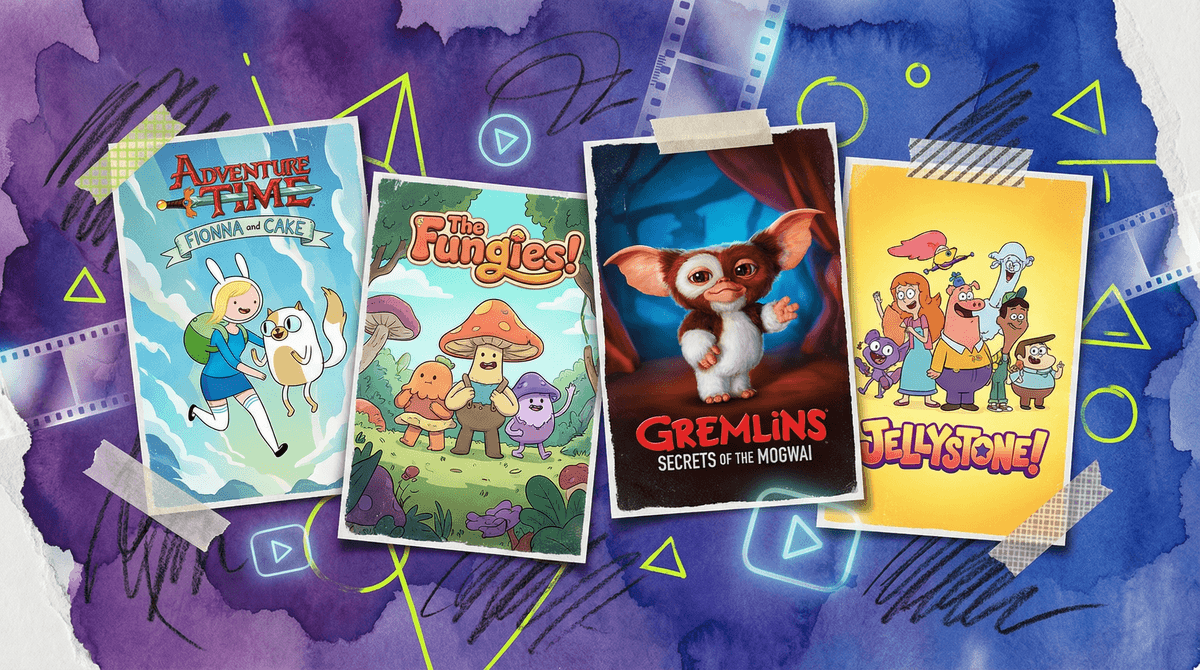
If you’ve spent any time looking at what kids find funny in 2026, you’ve probably seen a lot of fast-paced, surreal nonsense. Adventure Time is essentially the high-art ancestor of that style. When it debuted in 2010, it broke the standard cartoon mold by leaning into a specific kind of non-sequitur humor that felt like an inside joke between the creators and the audience.
For a parent, the first few episodes might feel like sensory overload or just plain "weird." But there is a massive difference between the empty chaos of some modern YouTube trends and what’s happening in the Land of Ooo. This show uses its absurdity to build a world that actually makes sense on its own terms. If you’re trying to figure out if a show is actually funny or just loud, look at how it handles its world-building. Adventure Time starts with "random" jokes but eventually turns them into deep, tragic backstories that reward kids for actually paying attention.
A Show That Actually Ages Up
Most cartoons are frozen in time. Mickey doesn’t get older, and the kids in South Park have been in fourth grade for decades. Adventure Time is different because Finn actually grows up. He starts as a 12-year-old boy whose biggest problem is fighting monsters, and by the end of the series, he’s a teenager dealing with complex romantic rejection, family trauma, and the realization that being a "hero" isn't always black and white.
This makes it a perfect bridge for that tricky 10-to-12-year-old demographic. They might start watching for the colorful fights and Jake’s jokes, but they’ll stay for the serialized plot. It’s one of the best HBO Max kids shows because it respects the audience's intelligence enough to let the characters change. The stakes evolve from "save the princess" to "how do I deal with the fact that my mentor is losing his mind?" It’s a masterclass in how animation can teach kids to handle big feelings without feeling like an after-school special.
The Friction Points
While the critical scores are nearly perfect, there are two things that might trip up a viewing session.
First, the tone can pivot on a dime. One episode is a lighthearted romp about a sentient video game console; the next is a haunting, post-apocalyptic exploration of loneliness. If your kid is particularly sensitive to "creepy" imagery, some of the late-season villains and the general lore of the Great Mushroom War can get heavy. It’s never inappropriate, but it is occasionally bleak.
Second, the sheer volume of episodes is intimidating. Because the show ran for so long, there are "filler" episodes that don't contribute much to the overall plot. If your kid gets bored with the early, more episodic seasons, tell them to hang in there. The "lore" kicks in hard around season three, and that’s when the show transforms from a fun distraction into a genuine epic.
If They Liked This, What’s Next?
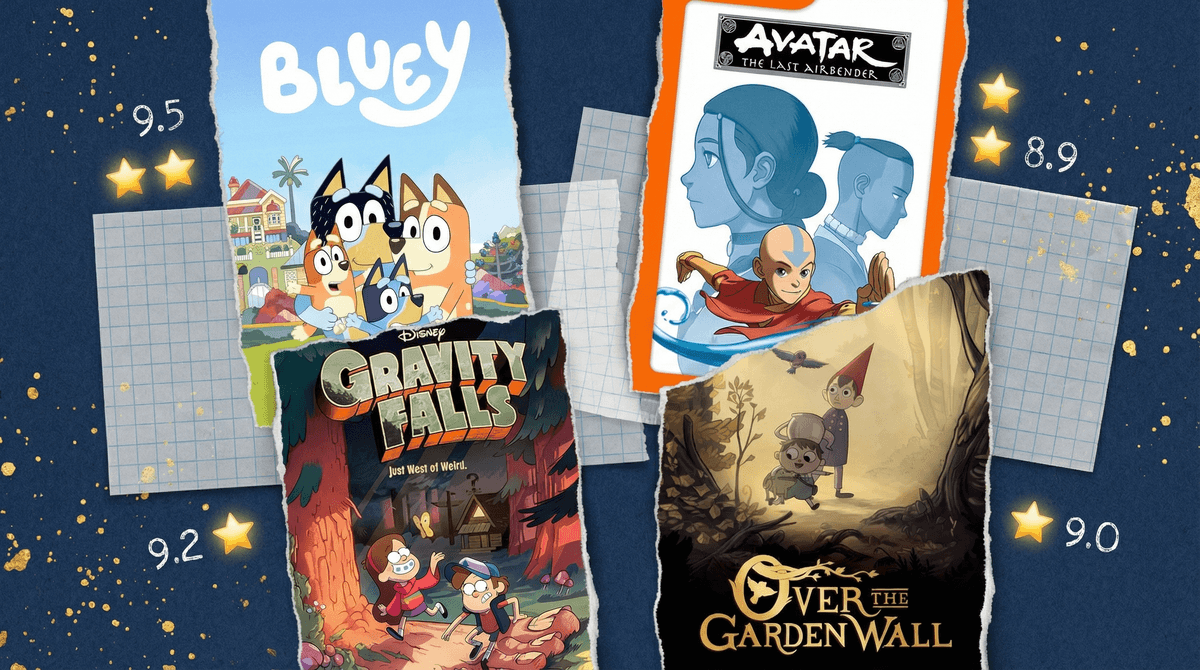
If your kid finishes all ten seasons and is looking for more, you’re in luck. This show defined the "CalArts" style that dominated the 2010s. You’ll see its DNA in almost every major animated series that followed. It’s the gateway drug to more structured mystery shows like Gravity Falls or more emotionally driven adventures like Steven Universe.
The show is currently a pillar of the Max library. If you're navigating that app, it’s worth noting that while the main series is safe for most ten-year-olds, the spin-offs produced later are often aimed at the original fans who are now adults. Stick to the 2010 original series first before moving into the more mature "multiverse" content.