Abstract: The Art of Design

Abstract: The Art of Design

show

TV-14, 2017, Documentary

WISE
91%

WISE Score

8.3

IMDb

Gorgeously shot profiles of world-class designers—think Chef's Table but for sneakers, buildings, and fonts.

IMDb8.3
Common Sense Media
Where to Watch
Loading streaming options...
Screenwise Verdict

Abstract is a gem for the right audience—teens and adults who want to understand how great design happens. It's beautifully made, deeply respectful of its subjects, and genuinely educational without being preachy.

The catch: it's not for everyone. If your kid needs constant action or quick cuts, they'll tap out in 10 minutes. But if they've ever wondered how Nike designs a shoe, or how a stage designer creates a Broadway set, or why some fonts just 'feel' right, this is gold.

Think of it as enrichment viewing for creative minds—the kind of show that might spark a career path or just make your teen look at the world a little differently. High WISE score because it delivers exactly what it promises with zero fluff.

Age Fit

Best for design-curious teens (13+) and adults. Younger kids with strong interest in art/architecture could watch with a parent, but the slow pace and heady discussions will lose most under-12s. This is enrichment viewing, not entertainment for its own sake.

WISE Breakdown
Wholesome
92

Documentary series profiling designers across disciplines (illustration, architecture, stage design, etc.) with thoughtful, respectful interviews. Celebrates craftsmanship, dedication, and creative problem-solving. No toxic behavior, models professional excellence and passion for one's work. Pacing is contemplative rather than frenetic—meant for focused viewing.

Imaginative
95

Each episode explores the creative process of world-class designers—from sneaker design to automotive innovation to typography. Shows how constraints spark creativity, how iteration leads to breakthroughs, and demystifies 'genius' as hard work + vision. Absolutely invites viewers to think differently about everyday objects and spaces. Visually stunning cinematography that treats design as art.

Safe
88

CSM rates it 14+, likely due to sophisticated concepts rather than content concerns. No violence, sexuality, or disturbing imagery. Some episodes may touch on personal struggles (creative blocks, professional setbacks) but handled maturely. The 14+ rating feels slightly conservative—most content is accessible to younger design-curious kids, though pacing and depth may bore them. No surprise triggers.

Enriching
96

Exceptionally enriching. Exposes viewers to careers they may not know exist, demonstrates interdisciplinary thinking, and shows real-world applications of art, math, engineering, and psychology. Each profile is a masterclass in perseverance, taste development, and how to see the world through a designer's lens. High IMDb 8.3 reflects strong audience appreciation. Genuinely educational without feeling like homework.

Parent Info

Why It Might Be Great

  • Eye-opening career exposure: kids who love art but think 'I can't make money doing that' will see architects, illustrators, stage designers, and automotive designers thriving
  • Demystifies creativity as a learnable process of iteration, failure, and refinement rather than magic talent
  • Visually stunning—each episode is essentially a mini-film celebrating the beauty of thoughtful design
  • Shows how design intersects with engineering, psychology, culture, and storytelling
  • Perfect for teens considering creative careers or anyone who geeks out over how things are made

What to Watch For

  • Pacing is slow and contemplative—this is not binge-watch material for most kids under 12
  • Some episodes dive deep into niche topics (typography, stage design) that may only appeal to already-interested viewers
  • CSM's 14+ rating feels conservative but reflects the sophisticated vocabulary and abstract concepts discussed

Conversation Starters

  • "Which designer's work did you find most interesting? What problems were they trying to solve?"
  • "Did any of these careers surprise you? Could you see yourself doing something like this?"
  • "How do you think constraints (like budgets or deadlines) can actually help creativity instead of hurt it?"
  • "What everyday object around our house do you think was really thoughtfully designed?"

Deep Dive

The "Wait, That’s a Job?" factor

Most kids think of "art" as something that happens on a canvas or a screen. Abstract blows that wide open by focusing on the physical world. If you have a teenager who is constantly sketching in the margins of their notebook or obsessing over the curve of a car door, this is the show that validates those impulses. It treats design not as a hobby, but as a high-stakes discipline.

Each episode functions like a masterclass. You aren’t just watching a biography; you’re seeing how a shoe designer handles the pressure of a global launch or how a stage designer manages the physics of a massive concert set. For a kid who feels like they don’t fit the traditional academic mold, seeing these world-class professionals obsess over "minor" details like font weight or the texture of a brick can be a massive confidence booster. It’s one of the best documentaries about creativity for kids because it treats the creative process with the same intensity usually reserved for sports documentaries or medical dramas.

Design as stealth engineering

While the show is filed under "Documentary," it’s secretly a heavy hitter for the STEM crowd. Design is essentially just problem-solving with a better color palette. The designers featured here aren't just making things look "cool"—they are navigating manufacturing constraints, material science, and human psychology.

If you are trying to figure out the right balance of STEM apps and shows for a middle or high schooler, Abstract fills a specific gap. It moves past the "how-to" of coding or building and gets into the why. It shows that engineering isn't just about making something work; it's about making something work for people. Watching a designer iterate through fifty failed prototypes is a better lesson in "growth mindset" than any classroom poster could ever provide.

Don't force the binge

This is not a show meant for a Saturday morning marathon. The visual language is dense, and the concepts are heady. It’s essentially a "vibe" show—the cinematography is as intentional as the subjects it covers. Because of that, it can feel a bit slow if you aren't in the right headspace.

The best way to use Abstract is as a targeted strike. Look through the episode descriptions and pick the one that matches your kid’s current obsession.

  • Are they into sneakers? Watch the shoe design episode.
  • Do they live in Minecraft or Roblox? The architecture or stage design episodes will hit home.
  • Are they constantly messing with their Instagram layout? Go for the photography or graphic design profiles.

It earns its spot among the best kid friendly documentaries on Netflix precisely because it doesn't pander. It assumes the viewer is smart enough to keep up with professional-level discourse. If your teen stays engaged for even twenty minutes, they’ll start looking at the objects in their own room with a much more critical, appreciative eye.

Stills
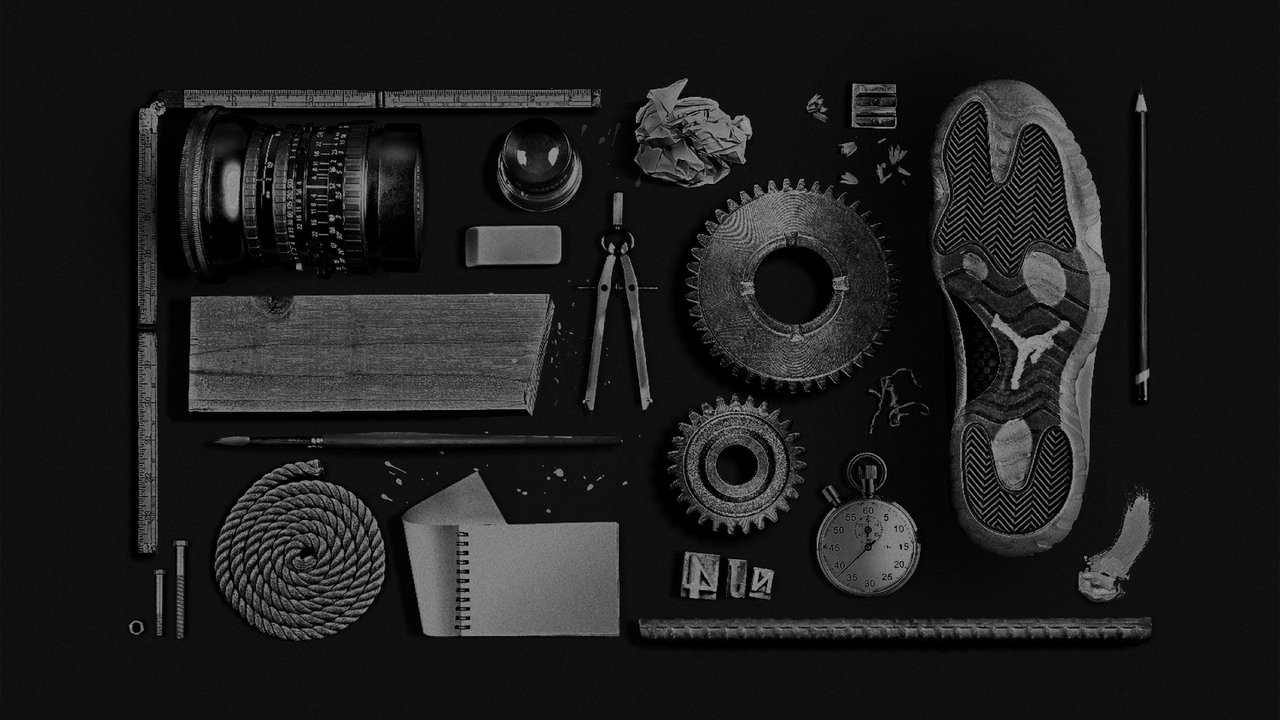
Abstract: The Art of Design — still 1
Abstract: The Art of Design — still 2
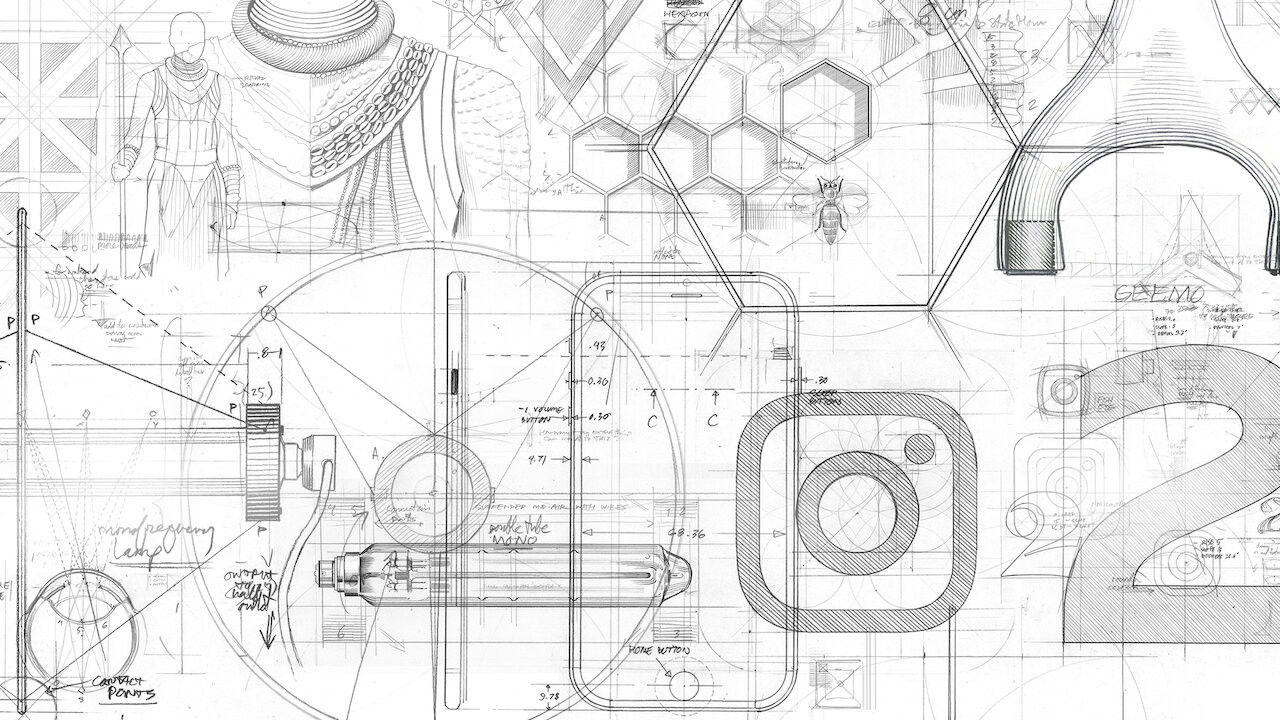
Abstract: The Art of Design — still 3
Abstract: The Art of Design — still 4

Ask Anything

Get a personalized guide on any topic