The "Vibe" check: A visual feast that leaves you hungry
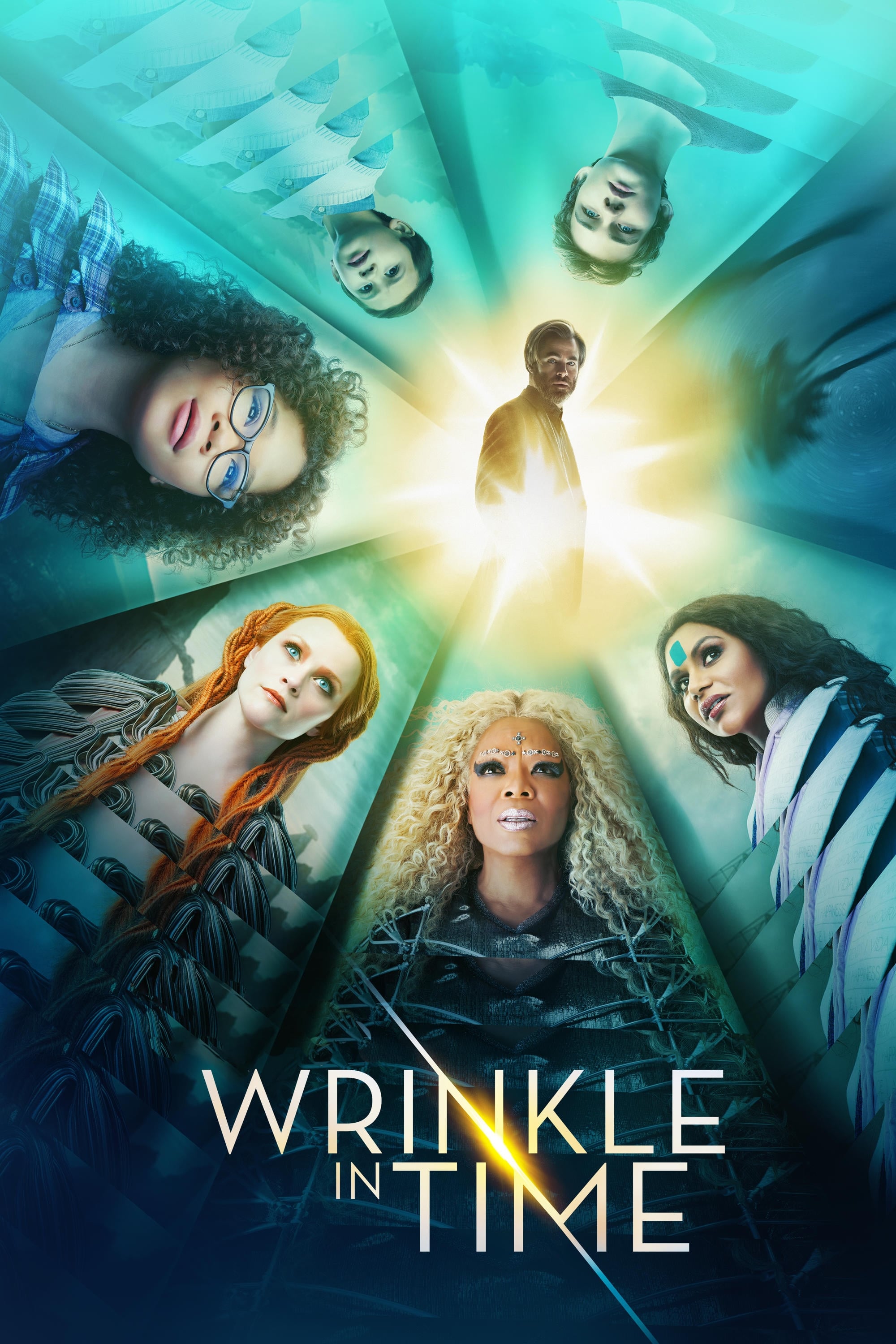
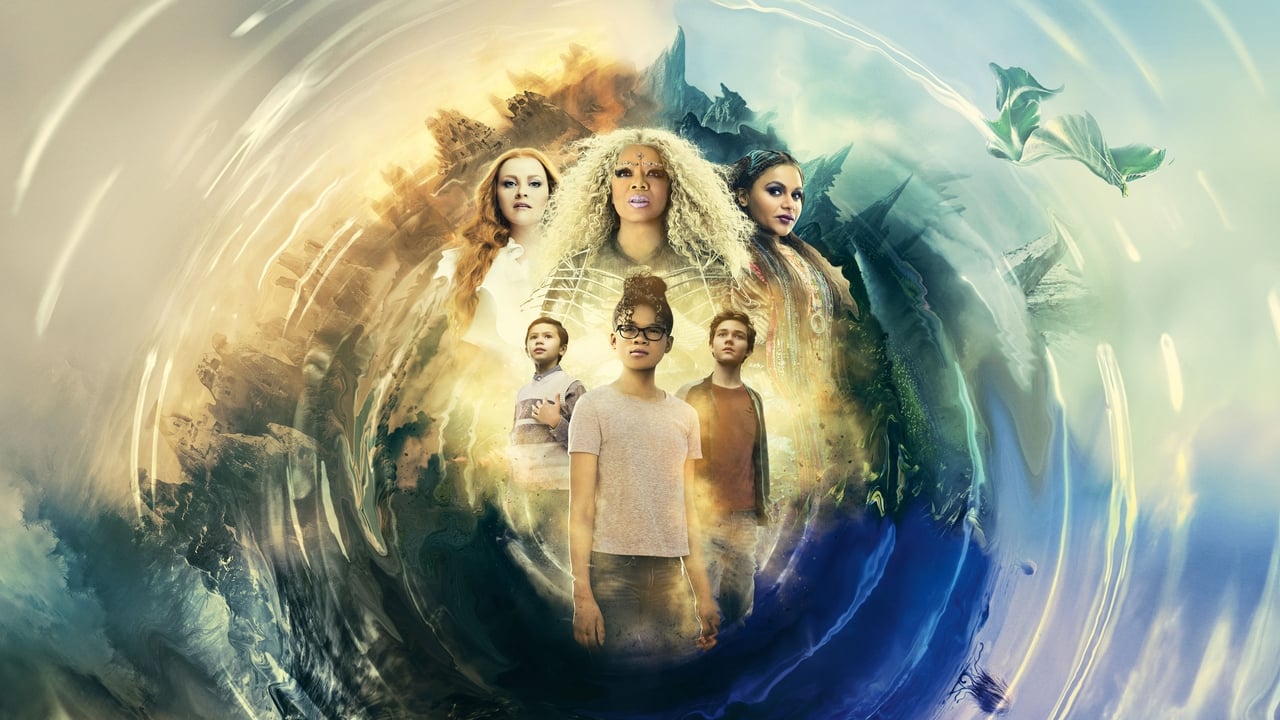
There is no nice way to say this: this movie is a clunker. It’s the cinematic equivalent of a giant, beautifully wrapped gift box that turns out to be empty inside. When you have a cast featuring Oprah, Reese Witherspoon, and Mindy Kaling, you expect a certain level of magic. Instead, we get a lot of expensive-looking glitter and some very confusing pacing.
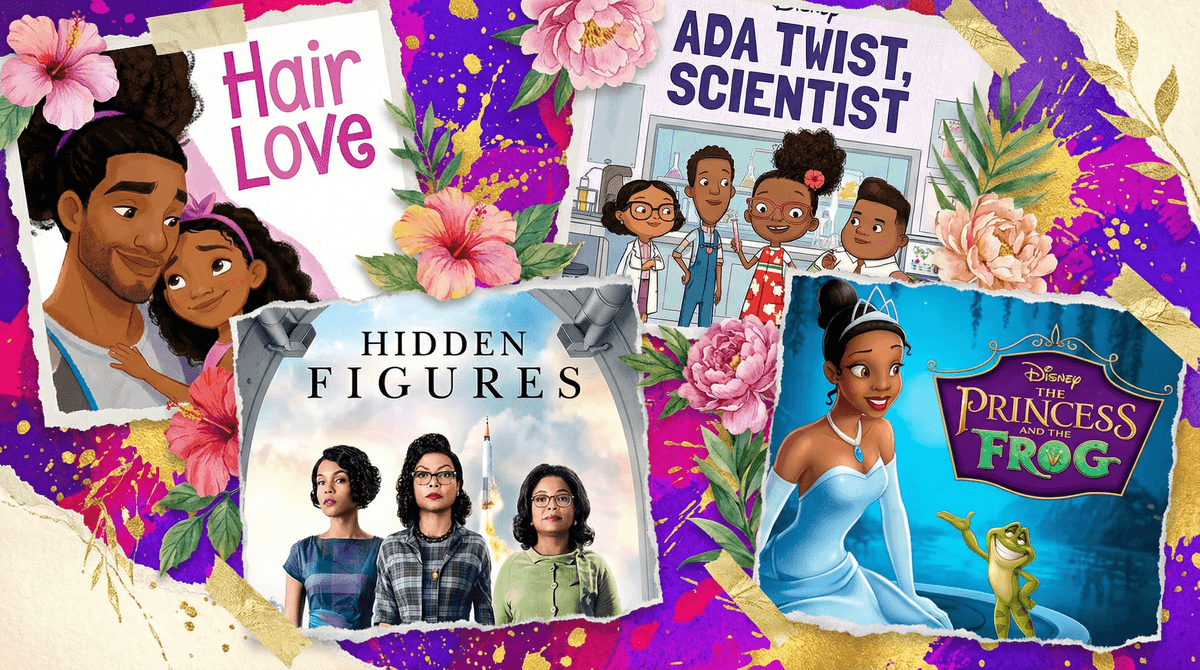
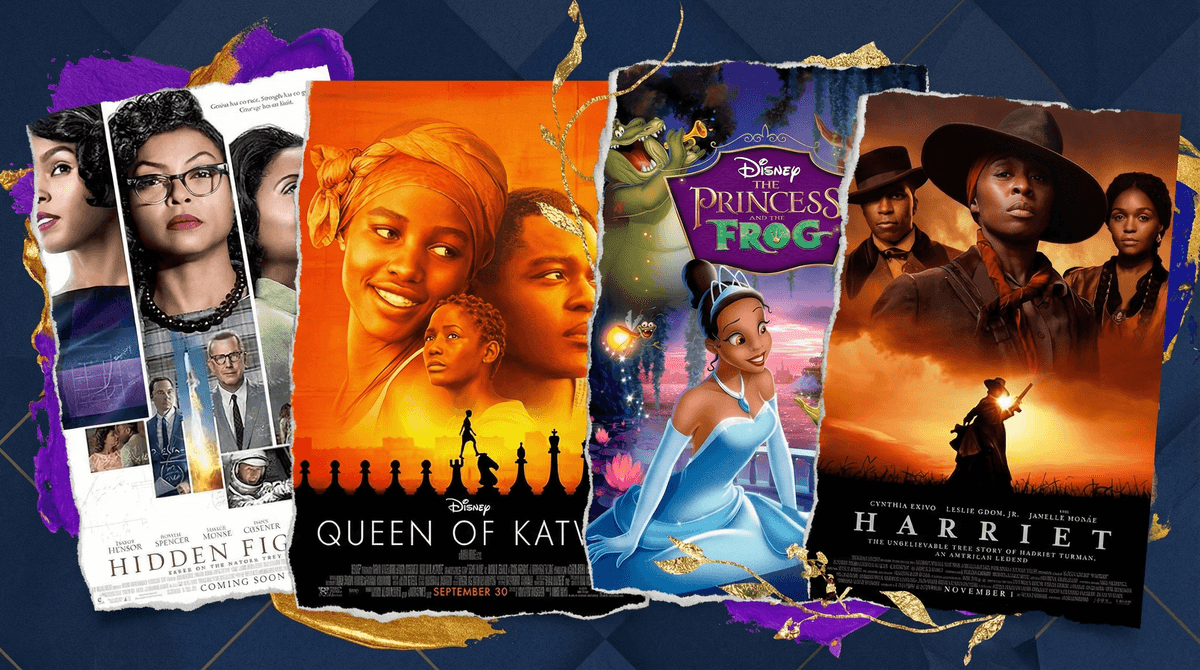
The film tries to turn a beloved, complex novel into a flashy blockbuster, but it loses the soul of the book in the process. If you're looking for more stories that put these voices front and center, our Black Girl Magic list is a much more consistent place to start. This movie is fine for a lazy Sunday when everyone is half-scrolling on their phones, but don't expect it to become a family favorite.
The "Camazotz" problem
The most effective part of the movie is also the part that might cause the most friction for younger kids. When Meg and her crew reach the planet Camazotz—a world of eerie, forced conformity—the movie finally finds its footing. The scenes of children bouncing balls in perfect unison are genuinely unsettling. It’s a great visual representation of the pressure to fit in, and it’s the one moment where the film's "believe in yourself" message feels earned rather than forced.
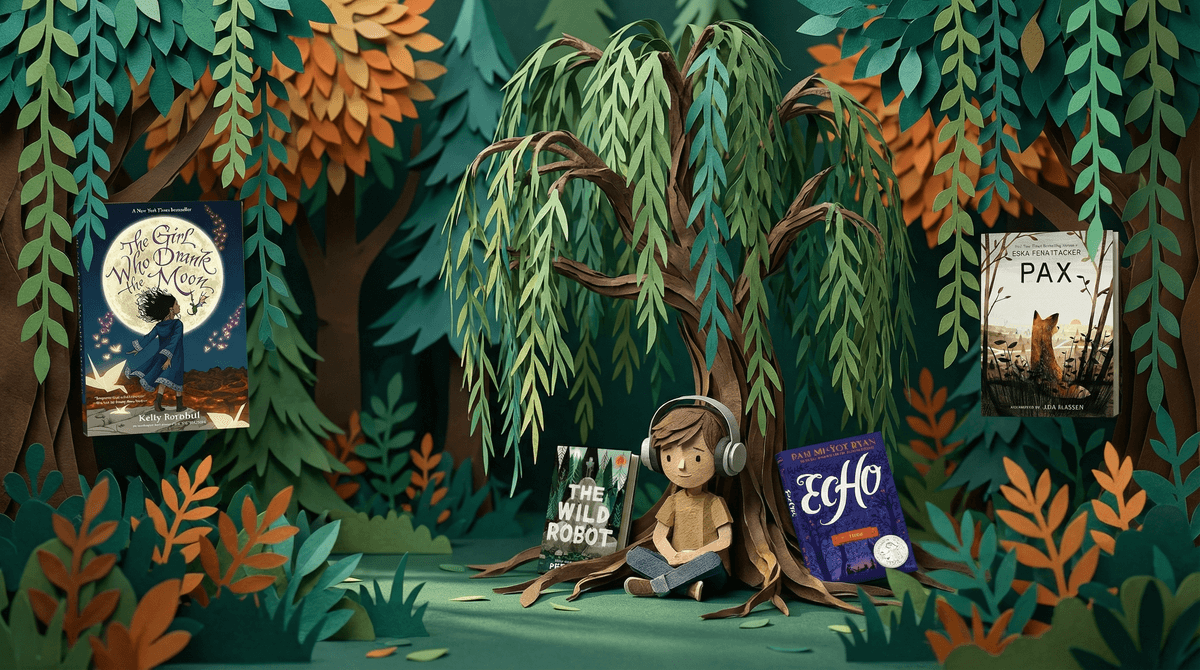
However, for kids under nine, these sequences can shift from "cool sci-fi" to "nightmare fuel" pretty quickly. The "IT"—the personification of evil in the story—is handled with a heavy hand that might be too intense for the sensitive set. If the "tessering" and space-travel bits actually land with your kid, you might want to pivot to Science Fiction Books for Kids for stories that handle the physics and the wonder with a bit more grace.
How to use this movie (if you must)
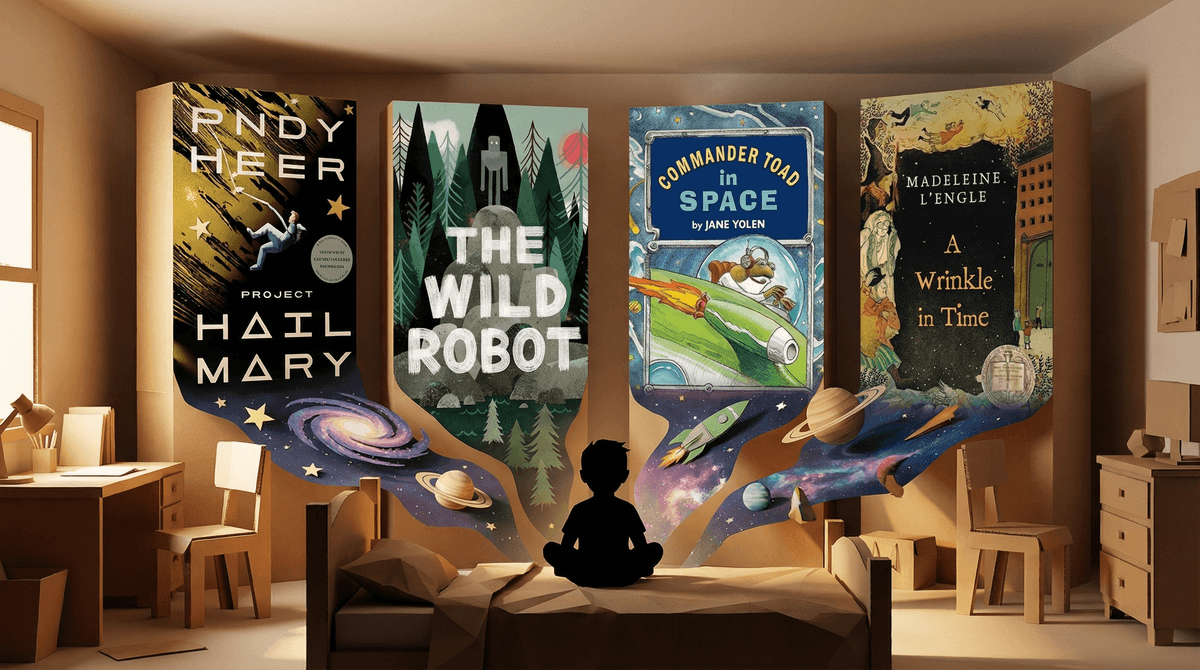
The better move is to treat this film as a companion piece to the source material rather than a standalone masterpiece. The book by Madeleine L'Engle is a classic for a reason—it tackles faith, individuality, and the "IT" in ways the movie just can't quite grasp. We’ve written about how A Wrinkle in Time: Tesseracts, 'Stranger Things,' and the Battle for Your Kid’s Mind can actually spark some heavy-duty conversations that the film merely skims over.
Watch the movie after reading the book. Use it as a giant, $100 million visual aid to talk about how the characters looked in your heads versus how they look on screen. It’s a great exercise in criticism for kids in that 9-12 age range. Ask them why they think the movie changed the ending, or why certain characters felt "flatter" on screen. It turns a mediocre viewing experience into a pretty solid logic and literacy lesson. Just keep the expectations low and the popcorn bowls full.