A Different Kind of Two-Player Game
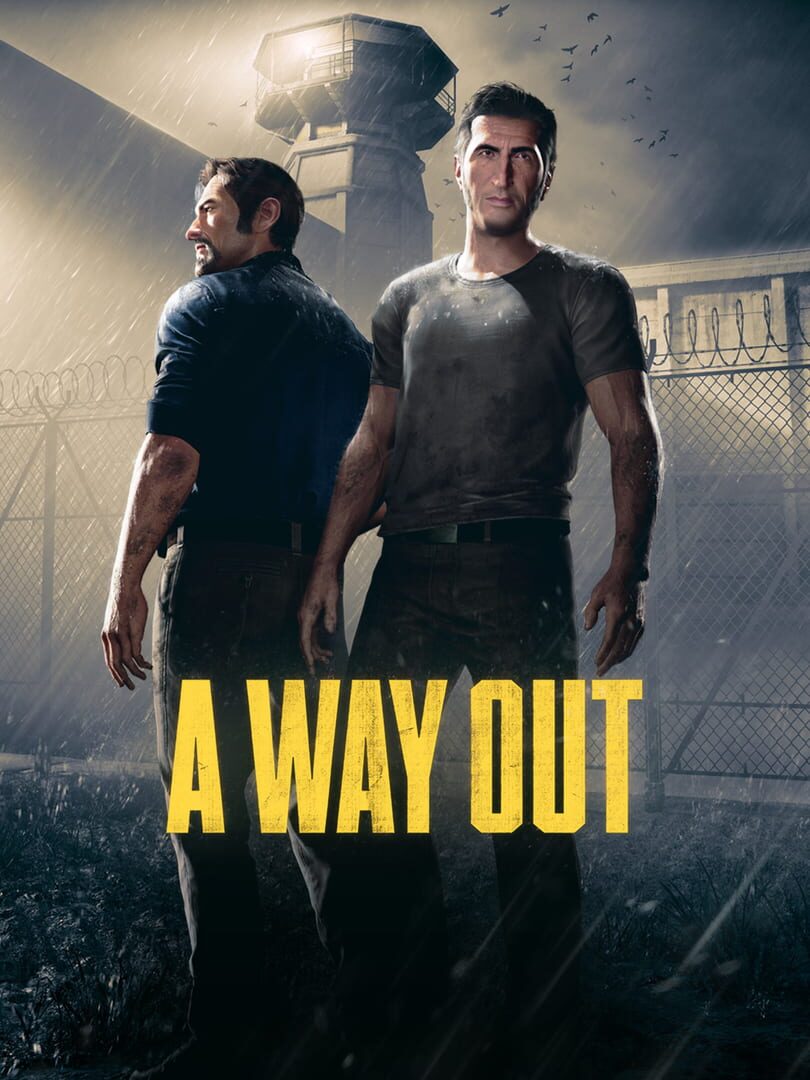
Most co-op games are just single-player games with a second character tacked on. A Way Out is different. It was built from the ground up by Hazelight Studios to be a shared experience, meaning the screen is almost always split, even when you’re playing online. You might be watching a cutscene of your partner getting interrogated while you are actively sneaking through a ventilation shaft.
This creates a weirdly intimate dynamic. You aren't just playing next to someone; you are constantly looking at their half of the screen to coordinate timing. If you’re looking for story-driven video games that respect limited screen time, this is a top-tier candidate. It doesn't have open-world filler or endless side quests. It’s a focused, cinematic journey that feels like playing through a high-stakes prison movie.
Variety Over Mastery
Don’t expect the polished gunplay of a major blockbuster shooter. The shooting mechanics here are honestly a bit clunky, but the game makes up for it with sheer variety. One minute you’re rowing a boat, the next you’re playing a rhythm-based guitar minigame, and then you’re engaging in a 2D-style side-scrolling brawl in a hospital.
The game is at its best during the quiet moments. There are dozens of interactable objects that have nothing to do with the plot—you can play horseshoes, use a chin-up bar, or sit on a swing set. These moments build a sense of camaraderie between the two protagonists, Leo and Vincent, which makes the inevitable high-stress sequences feel much more personal. Because the game is so heavily focused on the bond between two people, it’s a total non-starter for solo play. If your teen is more of a lone wolf, you should look into single-player Xbox games instead, because this game literally will not let you start without a partner.
The "Friend Pass" Win
One of the most parent-friendly things about this title is the Friend Pass system. Only one person needs to own the full game. They can invite a friend to download the trial version, and that friend can play the entire story from start to finish for free. It’s a refreshing move in an era where every game seems to be digging for extra microtransactions.
Handling the Tone
While the gameplay is often fun and experimental, the story stays grim. It’s a gritty 1970s crime drama, and it leans into those tropes hard. The protagonists aren't superheroes; they are flawed men who make violent, sometimes selfish choices. For a 16-year-old, this is a great "starter" for discussing complex narratives where there isn't a clear "good guy."
Just be prepared for the ending. It isn't just a story beat; it’s a mechanical betrayal that forces the two players into a direct confrontation. If you’re playing this with your teen, be ready for some genuine tension in the room once the credits roll. It’s the kind of game that’s better discussed over a meal immediately after finishing it.