

Look, horror movies and teenagers go together like... well, like teenagers and things their parents aren't totally comfortable with. There's something about being 13+ that makes controlled fear incredibly appealing. The adrenaline rush, the social currency of "I watched the scariest thing," the developmental milestone of proving you can handle intense emotions—it's all part of growing up.
But here's the thing: not all horror is created equal. There's a massive difference between a well-crafted thriller that builds tension and teaches resilience, and trauma-inducing gore that serves no purpose except to gross people out. The sweet spot for this age group? Movies that deliver genuine scares without crossing into gratuitous violence, sexual content, or psychological damage territory.
We're talking about films that understand the difference between suspense and shock value, that have actual plots beyond "watch people die creatively," and that your teen can process without needing therapy afterward.
Before we dive into specific recommendations, it's worth understanding why your 13-year-old suddenly wants to watch people run from masked killers.
It's developmental, actually. Early teens are figuring out how to manage intense emotions in a safe environment. Horror movies provide a controlled space to experience fear, practice emotional regulation, and build confidence. "I survived watching that" translates to "I can handle scary things in real life."
Social bonding matters. Watching horror together—whether with friends or family—creates shared experiences and inside jokes. It's also a rite of passage in many friend groups. Nobody wants to be the kid who can't handle what everyone else is watching.
They're testing boundaries. This age is all about pushing limits and exploring what they can handle. Horror movies are a relatively safe way to do that compared to, you know, actual risky behavior.
Not every 13-year-old is ready for the same level of intensity, and that's completely normal. Here's how to think about the spectrum:
Gateway Horror (Ages 13+): Suspenseful with minimal gore, often with supernatural or mystery elements. Think A Quiet Place or The Sixth Sense. These build tension through atmosphere rather than violence.
Classic Teen Horror (Ages 14+): More intense scares, some violence but not gratuitous, often with strong protagonists your teen can root for. Get Out, Happy Death Day, and Scream (the original) fit here.
Elevated Horror (Ages 15+): Psychologically complex, often with social commentary, can be intense but purposeful. Hereditary and Midsommar are technically in this category, though honestly, save these for 16-17+ and even then, know your kid.
A Quiet Place (2018) - This is the gold standard for introducing teens to horror. Minimal dialogue, maximum tension, and it's fundamentally about family protecting each other. The scares are real but not gory, and the PG-13 rating is actually accurate. Bonus: it's genuinely a good movie that adults will enjoy too.
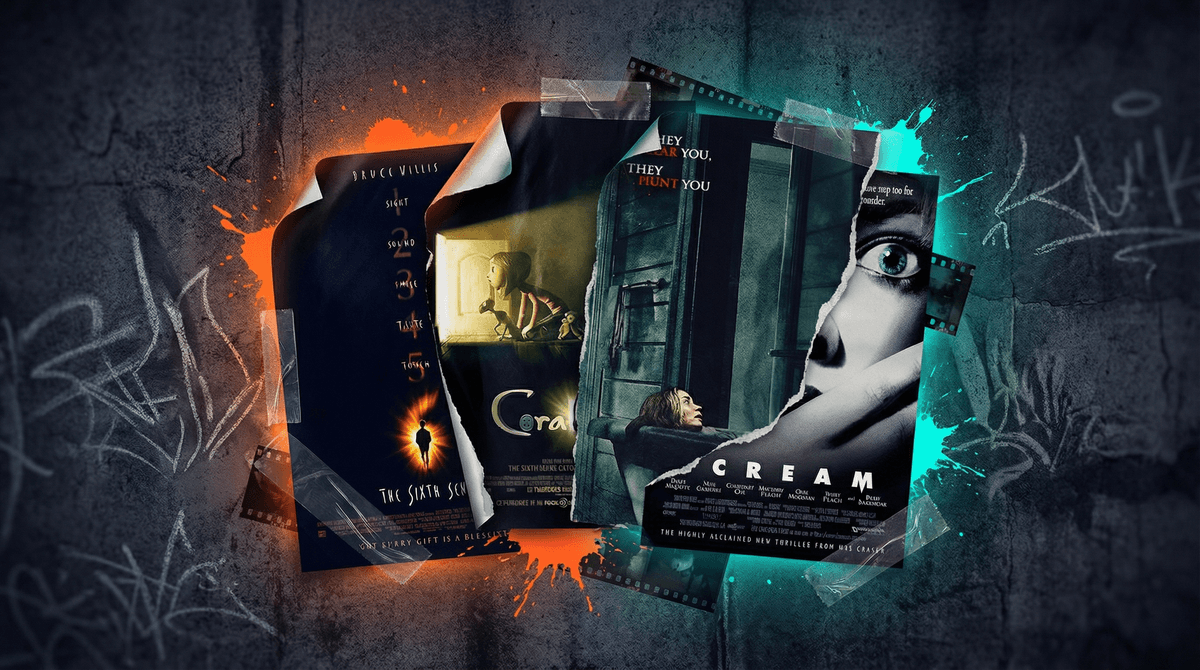
The Sixth Sense (1999) - A classic for a reason. The twist ending gives it rewatchability, the scares are more creepy than traumatizing, and it actually has emotional depth about grief and connection.
Coraline (2009) - Yes, it's animated. Yes, it's also legitimately unsettling. The button-eyed "Other Mother" has haunted millennials for years. Perfect for younger 13-year-olds or those dipping their toes into horror.
Ready or Not (2019) - For 14+, this darkly comedic thriller about a bride hunted by her new in-laws is intense but also wickedly fun. There's violence, but it's more "Home Alone meets horror" than torture porn. The protagonist is resourceful and the wealthy family is so absurdly villainous it takes some edge off.
Get Out (2017) - Jordan Peele's masterpiece is scary, smart, and sparks important conversations about race in America. The horror serves the story, not the other way around. This is the movie that proves horror can be art.
The Conjuring (2013) - Classic haunted house scares done really well. It's intense—definitely R-rated—but not gratuitously violent. Based on "true" stories (take that with a massive grain of salt), which adds to the appeal for teens.
Scream (1996) - The meta-horror that launched a thousand scary movie marathons. It's self-aware about horror tropes, which actually makes it less traumatizing because it's constantly breaking the fourth wall. There is violence, but it's more stylized than realistic.
Happy Death Day (2017) - Groundhog Day meets slasher film. The time loop element makes the deaths less disturbing because you know they'll reset. It's PG-13, fun, and has actual character development.
Torture porn franchises - Saw, Hostel, Human Centipede—these aren't horror, they're just gross. There's no plot, no character development, just creative ways to hurt people. Hard pass for teens (and honestly, for everyone).
Paranormal Activity movies - These get recommended a lot because they're PG-13, but the found-footage style and demonic possession themes can be genuinely disturbing for younger teens in ways that stick with them.
Most zombie content - The Walking Dead and its ilk are incredibly violent and desensitizing. The constant gore serves no purpose except to be gory. If your teen wants zombies, stick with Zombieland which is more comedy than horror.
The Exorcist - Look, it's a classic. It's also genuinely traumatizing for many adults, let alone teens. The religious themes hit different when you're young. Save this for college.
Co-viewing is underrated. Watching horror with your teen—even if you're peeking through your fingers—provides built-in emotional support and opens up conversation afterward. You can gauge their reaction in real time and talk through anything that bothered them.
But also, respect their independence. Some teens want to watch with friends as a bonding experience, and that's developmentally appropriate. You don't need to be in the room for every scary movie they watch at 15.
Set up the debrief. Whether you watch together or not, check in afterward. "What did you think?" "Was anything too intense?" "Want to talk about it?" Sometimes teens need to process but won't initiate the conversation.
Honor the "nope" button. If your teen wants to turn something off because it's too much, that's emotional intelligence, not weakness. Don't push them to "tough it out."
Here's the thing nobody wants to talk about: we live in a world where teens are doing active shooter drills at school. Real violence is part of their reality in a way that wasn't true for previous generations.
Horror movies aren't the problem. Research consistently shows that watching horror doesn't make teens more violent or desensitized to real suffering. In fact, for many teens, fictional horror provides a way to process fears about real-world violence in a controlled environment.
But context matters. A teen who's experienced real trauma might react differently to certain content. If your family has been affected by violence, substance abuse, or mental health crises, be thoughtful about movies that depict those situations.
Talk about the craft. Discussing how movies create fear—camera angles, music, editing—helps teens understand they're watching something constructed, not real. This critical viewing skill is valuable beyond just horror movies.
Good horror for teens exists, and it can actually be beneficial. The best scary movies for this age teach resilience, provide controlled emotional experiences, and prove that your teen can handle intense feelings and come out okay on the other side.
Start with the gateway options like A Quiet Place and The Sixth Sense. Pay attention to your specific teen's maturity level and previous media experiences. And remember: the goal isn't to shield them from all scary content forever—it's to help them build the emotional tools to handle increasingly complex media as they grow.
If they have nightmares after watching something, that's not failure—that's information about their current threshold. Adjust accordingly, and try again in six months or a year.
Want more specific recommendations based on your teen's interests? Find horror movies for teens who love sci-fi or what about psychological thrillers instead of traditional horror.