The Kubrick Conundrum
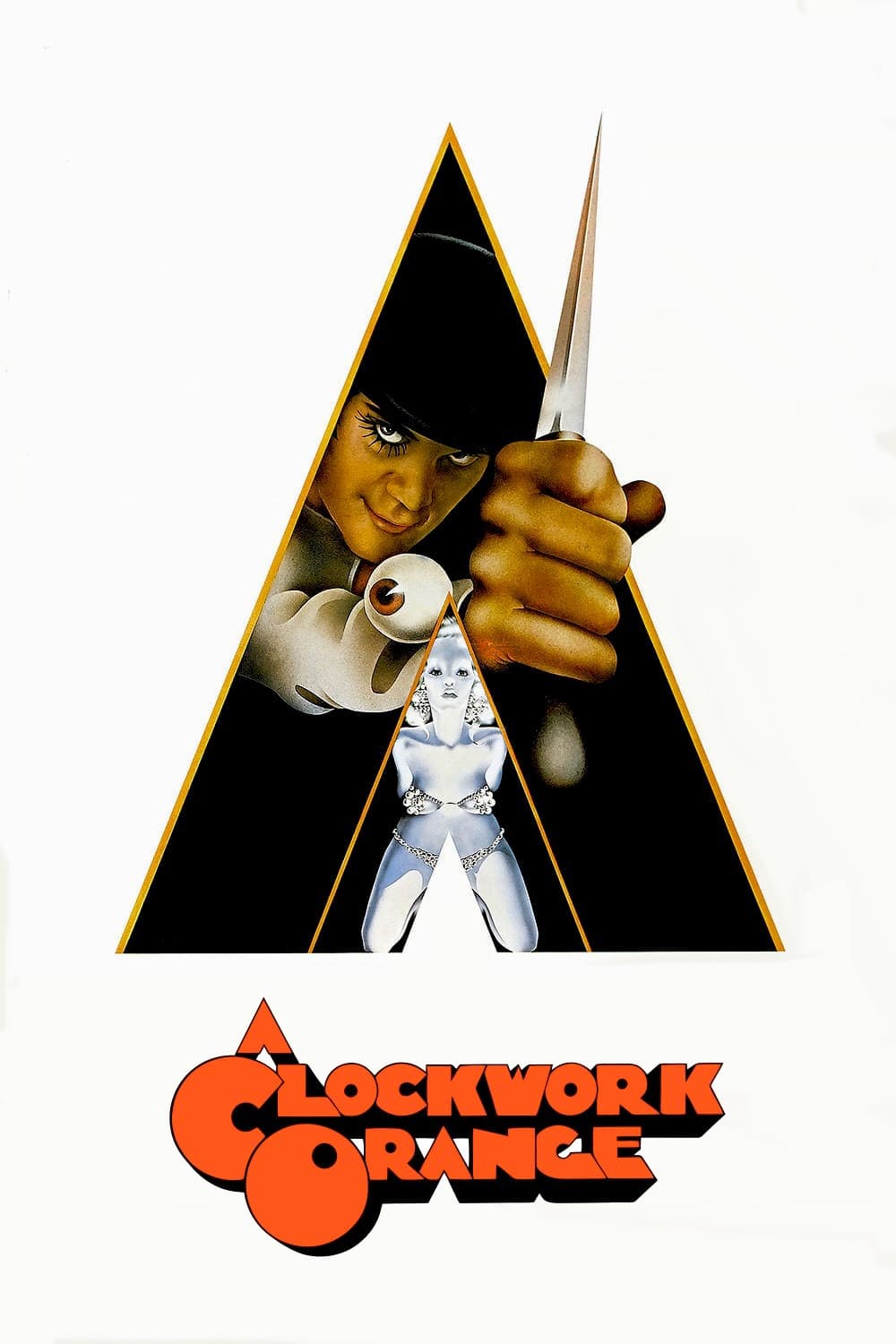
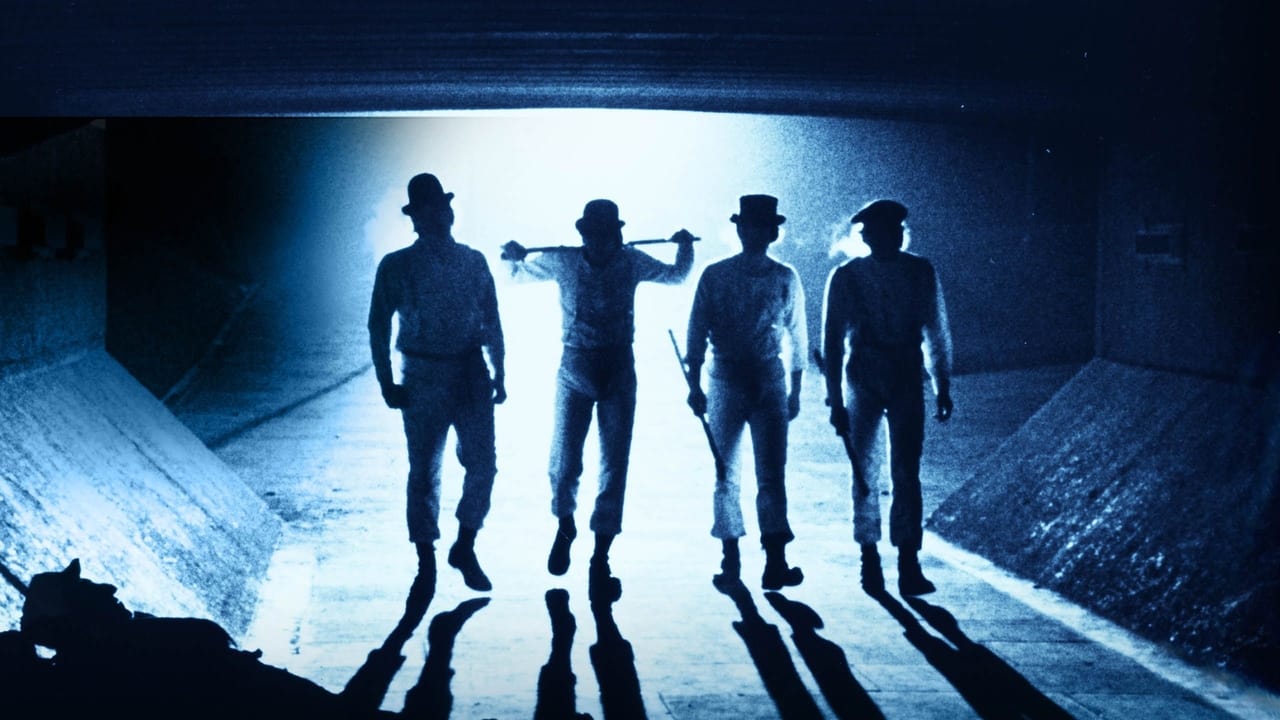
Stanley Kubrick didn't make movies for the faint of heart, and A Clockwork Orange remains his most polarizing work. Released in 1971, it was so controversial in the UK that Kubrick himself eventually pulled it from distribution there, and it wasn't officially available again until after his death. It’s a film that refuses to give you a 'good guy' to root for. Alex DeLarge is a monster, and the government that 'cures' him is perhaps even worse.
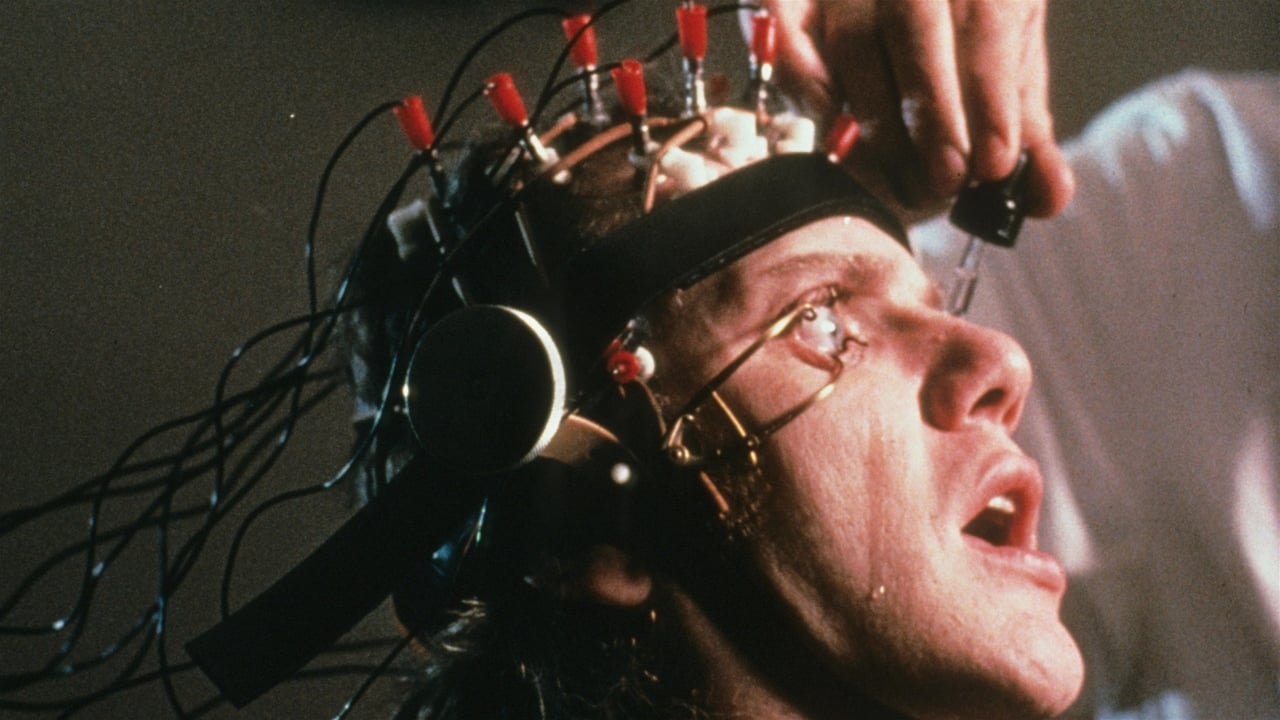
For a modern parent, the friction here isn't just the violence—it's the stylization of that violence. Kubrick uses slow motion, wide-angle lenses, and upbeat music to make the horrors Alex commits feel like a twisted ballet. This is intentional; he wants to implicate the audience in Alex's joy before slamming the door shut with the state-mandated 'rehabilitation.'
Nadsat and the Language of the Future
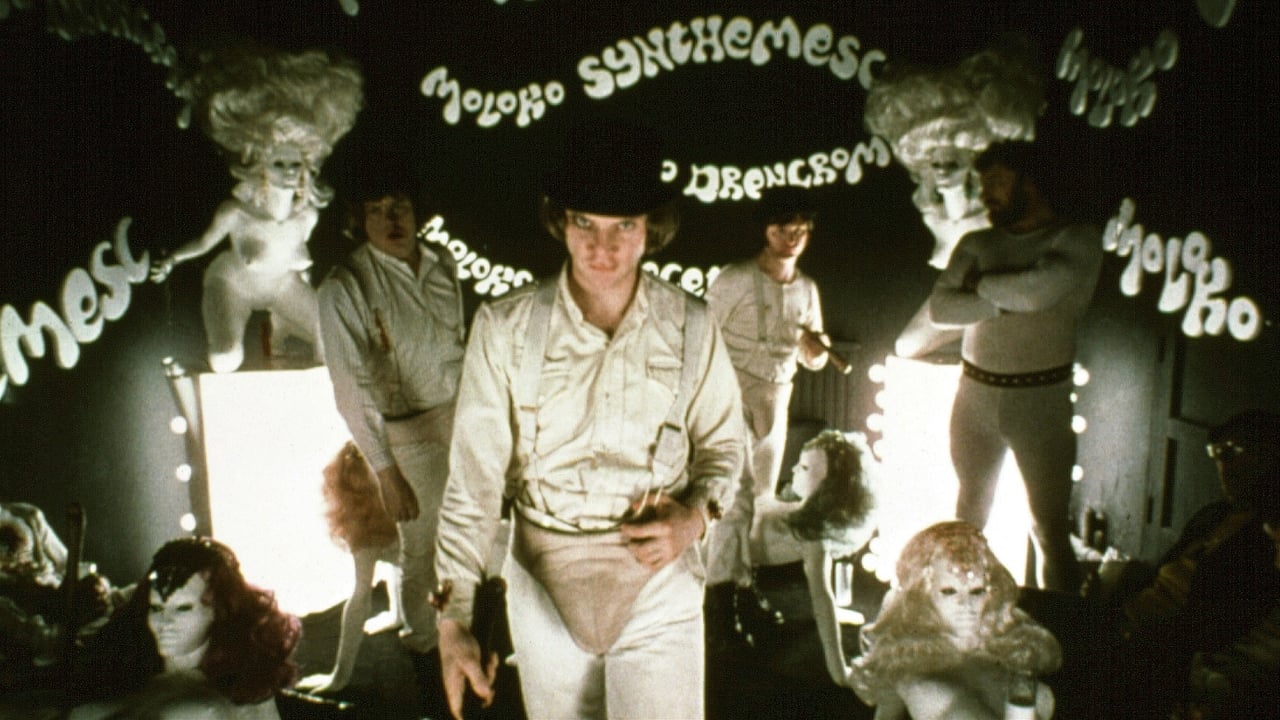
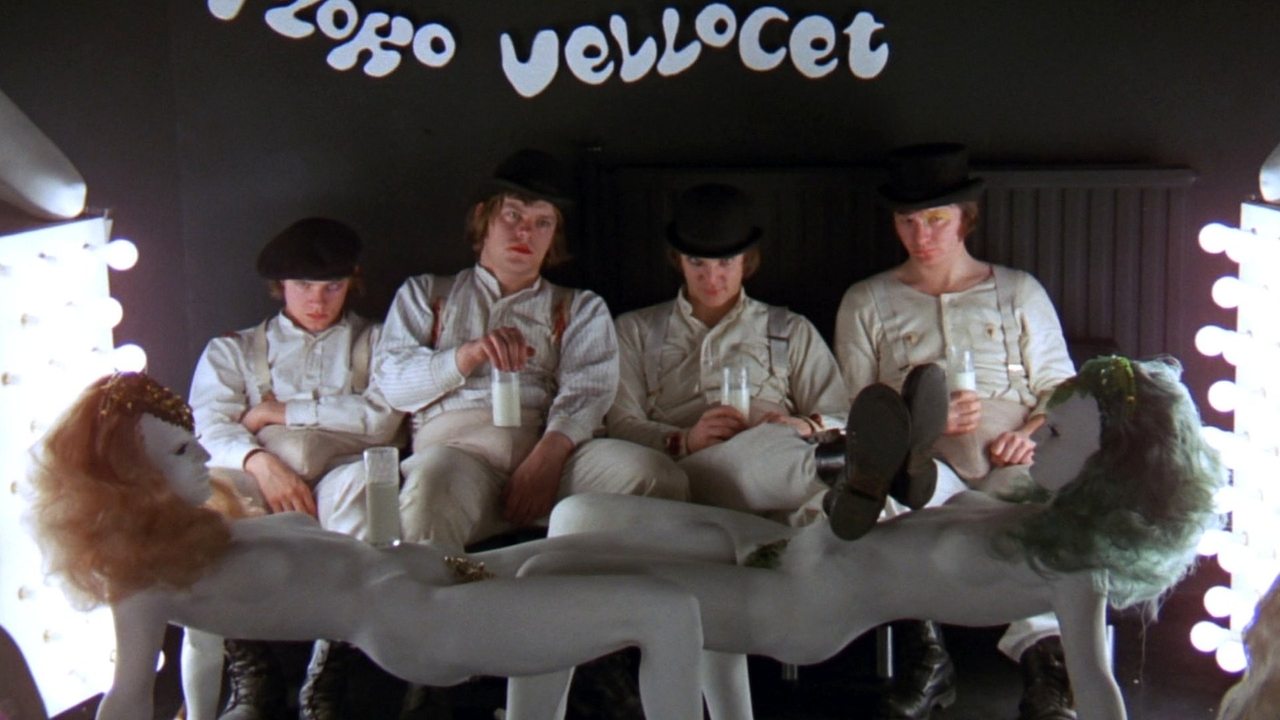
One of the most enriching parts of the film is the language. Alex and his 'droogs' speak Nadsat—a mix of Russian, Cockney rhyming slang, and baby talk. You won't understand half of what they're saying for the first twenty minutes, but by the end, your brain will have mapped the vocabulary. It’s a brilliant trick that puts you inside Alex’s head, making his alien world feel intimate.
Is it 'Boring' in 2026?
Surprisingly, no. Unlike some 70s classics that feel like they're moving through molasses, A Clockwork Orange has a frantic, nervous energy. The production design—all mid-century modern furniture and pop-art colors—still looks 'future' in a way that modern CGI often fails to capture. It’s a loud, abrasive, and unforgettable experience that demands a high level of maturity to process.