The ultimate "leave a note" PSA
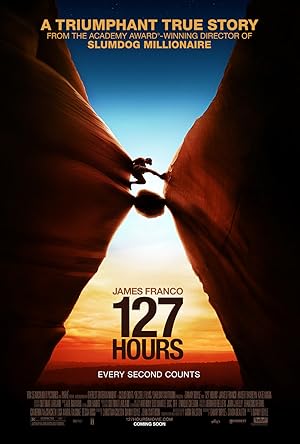
The most terrifying thing about 127 Hours isn't the boulder or the dull pocketknife. It is the silence of the desert when the lead actor realizes nobody is coming because nobody knows he’s there. If you have a teenager who views basic safety check-ins as a personal affront to their independence, this movie is the ultimate corrective.
It turns the "cool" solo adventurer trope on its head by showing exactly how quickly a weekend hike can turn into a tomb. Use this as a jumping-off point for Shows About Hiking and Solo Adventures: A Parent's Guide to talk about why the "boring" parts of outdoor prep—filing a trip plan, carrying a satellite messenger—are actually what make the adventure possible. The film doesn't lecture; it just shows the math of a life-or-death mistake.
The sound of survival
Most people talk about the visuals of the big scene, but the sound design is what actually gets under your skin. The director uses hyper-real audio—the scratching of metal on bone, the snap of a tendon, the gulping of the last drop of water—to make the experience feel intimate in a way that’s almost unbearable.
It isn't just "gore" for the sake of a jump scare. It’s a sensory deep-dive into what it feels like to be trapped. If your teen is a fan of high-tension survival stories like The Martian or The Revenant, they’ll appreciate the technical craft here. But unlike those movies, there is no "science-ing" his way out of this or a rescue team on the horizon. It’s just a guy, a rock, and a very grim choice.
Why the hallucinations matter
Critics gave this a 93% on Rotten Tomatoes not just because of the shock factor, but because of how it handles the climber's mental state. About halfway through, the movie shifts from a survival procedural into a surrealist trip. He starts hosting a fake morning talk show for his camcorder and seeing visions of his past and future.
These moments are where the "Enriching" score comes from. It forces the viewer to think about what actually keeps a person alive when the body is failing. It turns out it isn't just "grit"—it's the regret of missed connections and the desperate desire to see family again. If you're watching this with a 17-year-old, the conversation afterward shouldn't be about the blood; it should be about what he realized he valued once he was certain he was never getting out of that canyon.
How to handle the "Big Scene"
If you decide to let your older teen watch this, don't feel like you have to be a hero and sit through the amputation scene if you're squeamish. It happens toward the end, and you’ll know exactly when it’s coming. It is brutal.
Some parents find it helpful to read the real-life climber's account or watch a quick interview with him first. Knowing he survives and thrives afterward can take some of the "horror movie" edge off and refocus the experience on his resilience. Just don't let them go into it thinking it's a standard PG-13 action flick. It’s an endurance test for the audience, and it’s okay to treat it like one.