

Why Toca Nature Is a Digital Masterpiece
TL;DR: Toca Nature is a rare gem in the kids' app landscape—a beautiful, open-ended sandbox where kids shape ecosystems, observe wildlife, and learn ecological cause-and-effect without a single ad, timer, or in-app purchase. It's what screen time should look like. Ages 3-10, though honestly adults love it too.
Quick recommendations: If your kid loves Toca Nature, try Toca Life World, Sago Mini World, or Alto's Adventure for more calm, creative screen time.
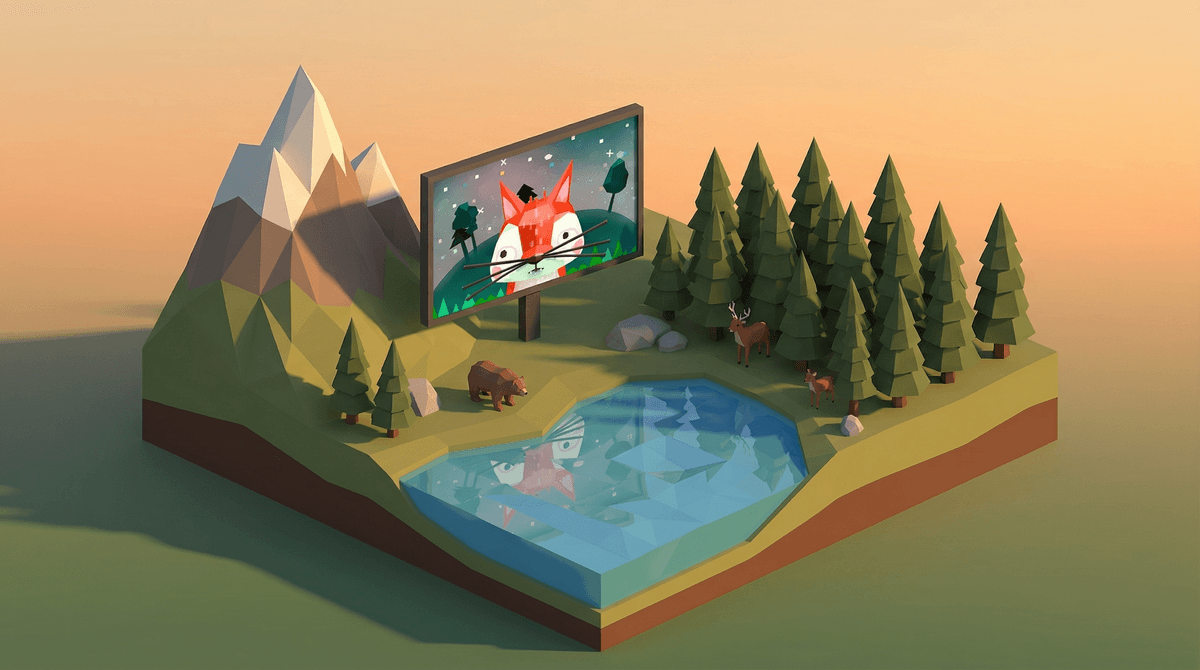
Toca Nature is a $4 app from Swedish developer Toca Boca where kids create miniature landscapes by raising mountains, planting forests, and filling lakes—then watch as animals naturally populate their world. You can feed the animals, follow them through binoculars, take photos, and observe how the ecosystem responds to your changes.
There's no goal. No points. No timer. No "you failed" screen. Just pure, meditative world-building.
It's been around since 2015, which in app years makes it ancient, but it's aged beautifully. While other apps have chased engagement metrics and ad revenue, Toca Nature has remained exactly what it was: a gentle, thoughtful experience that respects kids' intelligence and creativity.
Let's be honest—most kids' apps are designed like slot machines. Bright colors, constant rewards, notifications begging you to come back, and either aggressive ads or predatory in-app purchases. The whole ecosystem is built to maximize "engagement" (read: addiction) rather than actual value.
Toca Nature is the opposite of all that.
What makes it different:
- No ads, no IAPs, no subscriptions: You pay once ($3.99), you own it forever. Revolutionary concept, I know.
- No right or wrong way to play: There's no tutorial forcing you through levels. Kids figure it out through exploration.
- Teaches systems thinking: Plant a forest, deer appear. Add a lake, fish show up. Cut down too many trees, animals leave. It's basic ecology taught through play, not lectures.
- Genuinely beautiful: The art style is minimalist and lovely—like a children's book illustration you can interact with. The sound design is calming, not grating.
- Respects attention spans: Kids can play for 5 minutes or 50 minutes. The app doesn't manipulate them into "just one more" anything.
This is what people mean when they talk about "high-quality screen time." It's not about zero screens—it's about choosing experiences that spark creativity and curiosity rather than passive consumption.
Toca Nature sneaks in real learning without feeling educational (which is the best kind of educational content, honestly).
Ecological cause and effect: Kids quickly figure out that different animals need different habitats. Bears need forests AND lakes. Fish need water. Deer need open areas. If you bulldoze everything into mountains, nobody shows up. It's a crash course in habitat requirements and biodiversity.
Observation skills: The binocular feature encourages kids to slow down and watch. What do the animals do? Where do they go? What happens if I plant berries here? It's the kind of patient observation that's increasingly rare in our notification-driven world.
Creative problem-solving: Want to attract a specific animal? You need to experiment with terrain and plants. There's no wiki to consult, no walkthrough to follow. Kids develop hypotheses and test them.
Delayed gratification: Sometimes you have to wait for trees to grow or animals to show up. The app doesn't instant-gratification its way through everything, which is actually valuable practice for real life.
Ages 3-5: Perfect for this age. The controls are simple (swipe to raise/lower terrain, tap to plant), and there's no reading required. Younger kids mostly enjoy the sensory experience—making mountains, watching animals appear, feeding them berries. They're learning basic cause-and-effect without realizing it.
Ages 6-8: This is the sweet spot. Kids this age can grasp the ecological relationships and start experimenting more deliberately. They'll spend time trying to create specific habitats or collect all the animals. Many will narrate elaborate stories about their worlds.
Ages 9-10: Still engaging, though some kids will start to find it "too simple." That said, plenty of older kids return to it as a calming activity when they need a break from more intense games. Think of it like digital coloring—sometimes you just want something peaceful.
Ages 11+: Most kids will have moved on, but don't be surprised if your tween occasionally opens it when stressed. There's something meditative about the simplicity that appeals across ages.
Screen time quality matters more than quantity: Twenty minutes with Toca Nature is fundamentally different from twenty minutes of YouTube shorts or mindless mobile games. This is the kind of app you can feel good about, even on days when screen time runs long.
It's genuinely a one-time purchase: In an era of subscription fatigue, Toca Boca's business model is refreshingly straightforward. No hidden costs, no pressure to upgrade, no monthly fees. You pay once, it's yours.
Works offline: Perfect for car trips, flights, or waiting rooms. No wifi needed once it's downloaded.
Minimal parent involvement required: Kids can figure this out independently, which means you're not stuck playing tech support. That said, it's also lovely to explore together if you want shared screen time.
Privacy is solid: Toca Boca has a strong track record on privacy and safety. No ads means no third-party trackers. No social features means no stranger danger. It's just your kid and their little world.
The Toca Boca ecosystem: If your kid loves this, Toca Life World is the obvious next step—a massive digital dollhouse with similar open-ended play. Other Toca apps (Toca Kitchen, Toca Hair Salon) follow the same philosophy. They're not all masterpieces, but they're all respectful of kids' time and attention.
If you're looking for more apps in this vein—calm, creative, no-BS experiences—here's where to go next:
Similar sandbox/creative apps:
- Sago Mini World (Ages 2-5): Subscription-based but excellent for younger kids
- Metamorphabet (Ages 3-7): Interactive alphabet that's actually delightful
- Monument Valley (Ages 6+): Gorgeous puzzle game with Escher-like architecture
Nature and exploration:
- Bobo Explores Light (Ages 4-8): Science exploration with a similar gentle approach
- Minecraft (Ages 7+): More complex but similar creative sandbox energy in Creative Mode
Calm, beautiful games:
- Alto's Adventure (Ages 6+): Zen snowboarding with stunning visuals
- Prune (Ages 6+): Meditative tree-growing puzzle game
For more ideas, check out our guide to cozy games for kids or alternatives to YouTube when you need screen time that isn't a content fire hose.
Toca Nature represents what kids' digital media could be if we prioritized creativity and curiosity over engagement metrics. It's not trying to be addictive. It's not harvesting data. It's not training kids to expect constant rewards and notifications.
It's just a beautiful, thoughtful app that lets kids create little worlds and learn about ecosystems through play.
In a landscape dominated by Roblox microtransactions and YouTube algorithm rabbit holes, Toca Nature feels like a breath of fresh air. It's proof that screen time doesn't have to mean compromise—that we can give kids digital experiences that are genuinely enriching without being preachy or boring.
Is it going to teach your kid to read or do algebra? No. But it might teach them to slow down, observe carefully, and think about how systems work. And honestly, that's pretty valuable.
Worth every penny of that $3.99.
- Download it: Toca Nature on iOS or Android
- Set expectations: Let your kid know this isn't a game with levels or goals—it's more like a digital sandbox
- Try it together first: Spend 10 minutes exploring so you can see what it's about
- Ask questions later: "What animals did you find? What did you build?" This reinforces the learning without being pushy
- Explore similar apps: If this clicks with your kid, check out more Toca Boca apps or our list of best apps for creative kids
And if you're trying to figure out how this fits into your family's overall screen time approach, our screen time philosophy guide might help you think through your priorities.