

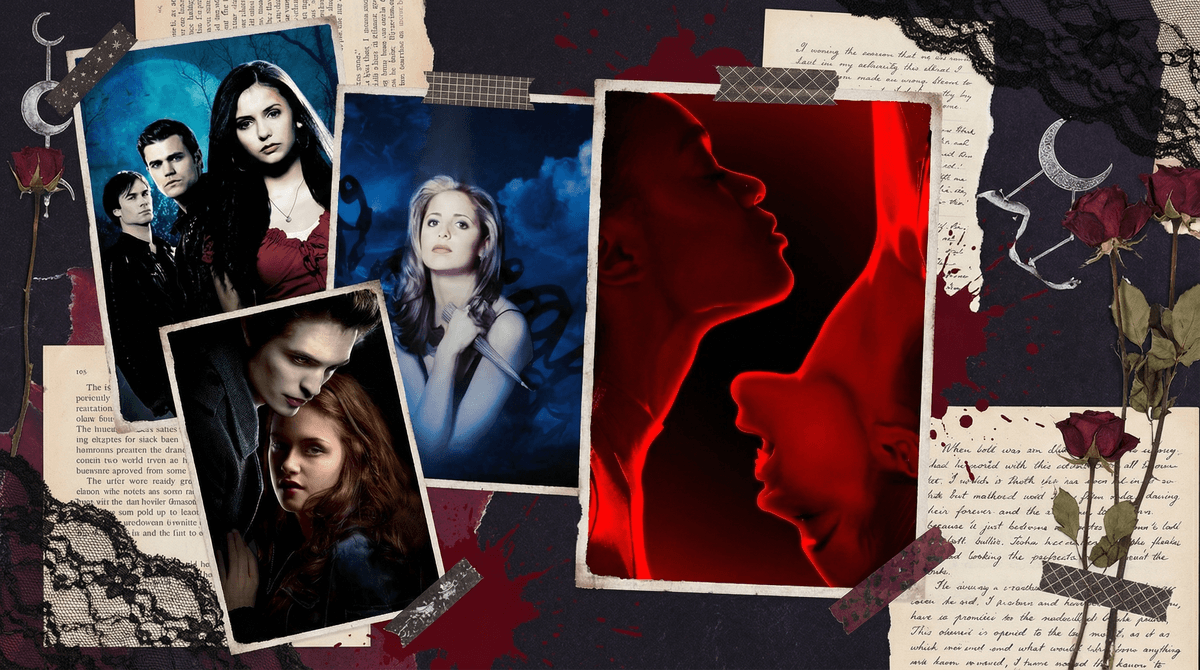
Teen vampire shows are a whole genre unto themselves — think supernatural romance meets high school drama, with a healthy (or unhealthy?) dose of bloodsucking thrown in. We're talking about series like The Vampire Diaries, Twilight, Buffy the Vampire Slayer, and newer entries like First Kill and Legacies.
The formula is pretty consistent: attractive immortal beings, forbidden romance, supernatural powers, chosen-one narratives, and usually a love triangle (or pentagon). These shows blend horror elements with teen angst, creating a genre that's been catnip for adolescents since Buffy first staked a vamp in 1997.
But here's the thing — not all vampire shows are created equal, and the "teen" label doesn't always mean "appropriate for teens." Some of these shows are legitimately made for teenagers, while others are adult shows that happen to have teen protagonists and a young fanbase.
The appeal is pretty straightforward: vampires are the ultimate metaphor for adolescence. They're immortal beings stuck in young bodies, dealing with intense emotions, forbidden desires, and figuring out their identity. Sound familiar?
These shows tap into that teenage feeling of being misunderstood, different, powerful yet powerless. Plus, the romance angle hits hard during those hormone-flooded years when every relationship feels like life or death (which, in vampire shows, it literally is).
There's also the wish-fulfillment aspect — who wouldn't want supernatural powers, eternal youth, and the attention of multiple immortal hotties? The fantasy of being chosen, special, and capable of saving the world is intoxicating.
And let's be real: the shows are designed to be binge-worthy. Cliffhangers, relationship drama, mystery boxes, and beautiful people in moody lighting. It's engineered to keep viewers hooked.
Here's where it gets tricky. Most vampire shows marketed to teens are actually rated TV-14 or TV-MA, and those ratings exist for good reasons.
The Vampire Diaries and its spinoffs (The Originals, Legacies) feature graphic violence, sexual content, and some genuinely disturbing themes — including romanticized relationships with serious power imbalances and consent issues. We're talking centuries-old vampires pursuing high schoolers, which is... yeah.
Buffy is milder but still has violence and sexual content that ramps up in later seasons. The Twilight movies are probably the most teen-appropriate of the bunch, though they come with their own baggage around relationship dynamics (more on that in a sec).
Ages 13-15: Most of these shows are pushing it for this age group. The violence can be intense, the sexual content is often explicit, and the relationship modeling is questionable. If your teen is watching, co-viewing and conversation are essential.
Ages 16+: More appropriate, but still worth discussing the themes. Older teens can better separate fantasy from reality, but these shows still normalize some problematic relationship patterns.
Under 13: Hard pass on most vampire teen dramas. The content is too mature, full stop.
The Relationship Red Flags
Let's talk about the elephant in the crypt: many teen vampire shows romanticize unhealthy relationships. Possessiveness gets framed as passion. Stalking becomes romantic. Age gaps that would be criminal in real life are glossed over because "he's technically 170 years old but looks 17."
The Twilight saga gets roasted for this (Edward watching Bella sleep without her knowledge, controlling her choices), but The Vampire Diaries isn't much better. Damon Salvatore literally kills people and is abusive, but it's treated as sexy brooding.
This doesn't mean your teen will suddenly think abusive relationships are goals, but it's worth having explicit conversations about what healthy relationships actually look like. Learn more about talking to teens about media relationships .
.
The Violence Factor
Vampire shows are violent by nature. We're talking neck-biting, staking, decapitations, blood everywhere. Some shows (like The Vampire Diaries) lean into graphic horror, while others (like Legacies) keep it more PG-13.
If your teen is sensitive to gore or has anxiety around violence, these might not be the right fit. On the flip side, if they're horror fans, they've probably seen worse.
The Sexual Content
Most teen vampire shows have significant sexual content — from steamy makeout sessions to implied or explicit sex scenes. The Vampire Diaries is basically soft-core at times. Buffy has sex scenes but handles them with more narrative weight.
Know what you're signing up for, and know what your teen can handle. The TV rating will give you a baseline, but Common Sense Media reviews can provide more detail.
The Positive Elements
Not everything is doom and gloom! Many vampire shows actually have strong themes worth discussing:
- Female empowerment: Buffy literally redefined the "damsel in distress" trope
- Found family: Many of these shows emphasize chosen family and loyalty
- Moral complexity: Characters grapple with good vs. evil, humanity, and redemption
- LGBTQ+ representation: Newer shows like First Kill center queer relationships
- Mythology and storytelling: These shows can spark interest in folklore, history, and creative writing
Ages 10-13: Skip the vampire dramas and try What We Do in the Shadows (the movie, not the show — the show is TV-MA). It's a mockumentary that's funny without being graphic. Or go with Hotel Transylvania movies for vampire content that's actually age-appropriate.
Ages 13-15: Buffy the Vampire Slayer (earlier seasons), Legacies (the least intense of the Vampire Diaries universe), or the Twilight movies with conversation about relationship dynamics.
Ages 16+: The Vampire Diaries, True Blood (if they can handle very mature content), First Kill, or Interview with the Vampire (the AMC series, which is excellent but definitely mature).
Teen vampire shows aren't inherently bad, but they're not all appropriate for actual teens — at least not young ones. The genre tends to package mature content (violence, sex, unhealthy relationships) in a teen-friendly aesthetic, which can be misleading.
If your teen is watching these shows:
- Check the rating and content warnings — TV-MA means it's actually an adult show
- Co-watch when possible, especially with younger teens
- Talk about the relationship dynamics — use it as a springboard for conversations about consent, healthy boundaries, and red flags
- Acknowledge the fantasy element — these are supernatural soap operas, not relationship guides
- Know your kid — some teens can separate fiction from reality better than others
The vampire genre isn't going anywhere (much like vampires themselves). Rather than blanket banning or blindly allowing, use these shows as an opportunity for media literacy and values conversations. That's where the real parenting magic happens.
And hey, if you end up watching The Vampire Diaries together and getting hooked yourself? Welcome to the club. Those Salvatore brothers are objectively terrible people, but the show is addictive. Just remember: if someone who looks like a teenager tells you they're actually 170 years old, that's not romantic — that's a police matter.