

Look, kids have been obsessed with things that go bump in the night since forever. But somewhere between the bedtime story of "Goodnight Moon" and full-blown The Walking Dead, there's this massive spectrum of vampire and zombie books that parents need to navigate. And honestly? It's kind of a minefield.
The good news: there are genuinely great books in this genre that can help kids explore fear in a safe way, develop empathy for "monsters," and even learn about mortality and what it means to be human. The bad news: some of these books are way too intense for the age they're marketed to, and you won't know until your kid is having nightmares about the undead apocalypse.
So let's break down what's actually out there, what works for different ages, and how to tell if your kid is ready for zombies that are more "silly" versus "existentially terrifying."
There's real psychology here. Kids are naturally drawn to scary things because it gives them a way to process fear in a controlled environment. They're the ones turning the pages, they can close the book, and they get to experience that adrenaline rush without actual danger.
Vampire and zombie stories specifically? They're basically metaphors on steroids. Vampires often explore themes of immortality, being an outsider, and the tension between civilization and primal urges. Zombies are usually about survival, society breaking down, and what happens when the rules stop applying. Heavy stuff, but when done right for the right age, it's genuinely compelling.
Plus, let's be real: there's a social element. If everyone in 5th grade is reading Diary of a Wimpy Vampire, your kid wants in on that conversation.
Ages 4-7: Silly Spooky, Not Actually Scary
At this age, you want books where the "monsters" are basically just funny-looking friends. Think:
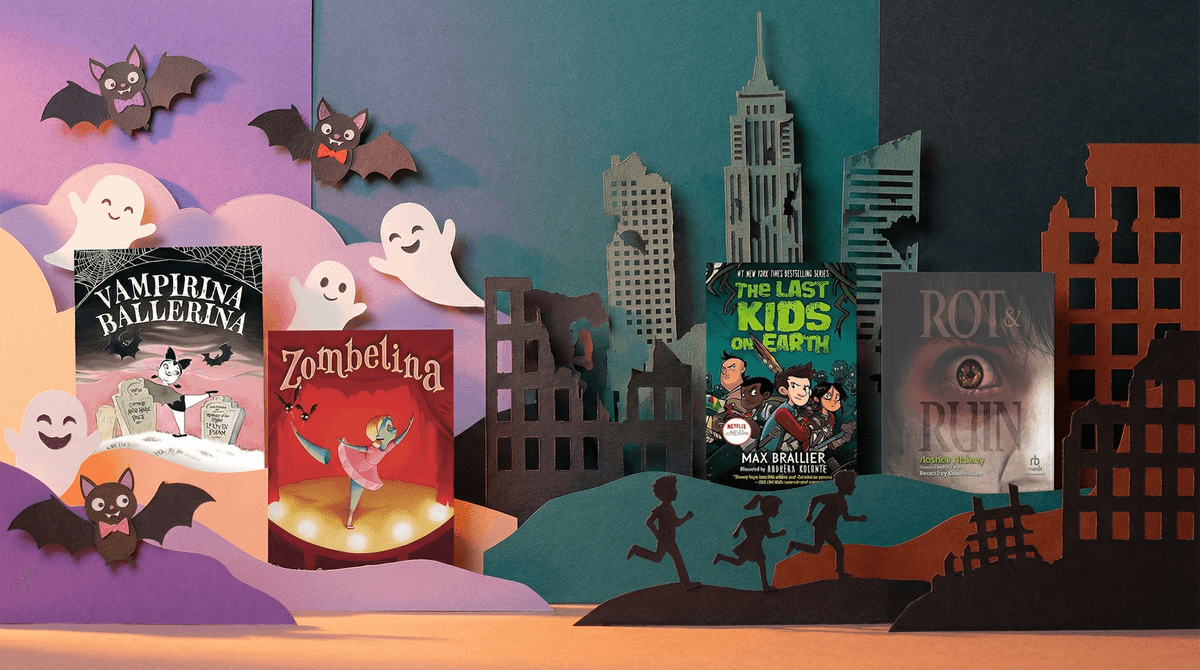
- Vampirina Ballerina - A vampire who loves ballet. That's it. That's the threat level.
- Zombelina - A zombie ballerina (yes, there's a theme here) who just wants to dance in the recital despite falling apart.
- Monsters Love Underpants series - Absurd, silly, and the monsters are basically Muppets
These books treat vampires and zombies like they're just kids who happen to have fangs or be undead. No actual scares, no real danger, just goofy fun with monster aesthetics.
Ages 8-10: Spooky with Training Wheels
This is where you get into books that have some genuine creepiness but still keep things light enough that kids aren't genuinely afraid. The sweet spot:
- Diary of a Wimpy Vampire - Diary of a Wimpy Kid format but with a vampire protagonist. Funny, relatable, occasionally spooky.
- The Last Kids on Earth series - Zombies and monsters everywhere, but it's written like an adventure comedy. The illustrations are graphic novel style, which helps kids process the scary stuff visually.
- Hotel Transylvania books (if they've seen the movies) - Light, fun, monsters are the good guys
The key here: the protagonists are in control, there's humor throughout, and any scary moments are quickly resolved. Kids this age can handle being a little scared, but they need that reassurance that everything's going to be okay.
Ages 10-12: Real Stakes, But Still Middle Grade
Now we're getting into books where there's actual danger, characters might die (usually not main characters, but still), and the scares are more sustained. But it's still written with middle-grade sensibilities:
- Cirque du Freak series by Darren Shan - A kid becomes a vampire's assistant. This is legitimately creepy in places, with some body horror elements, but it's also about friendship and loyalty. Fair warning: this series gets darker as it goes, so maybe read ahead.
- Rot & Ruin series by Jonathan Maberry - Post-zombie-apocalypse world where a teen trains to be a zombie hunter. This one deals with heavy themes (what makes us human, how do we honor the dead) but in an age-appropriate way. Some violence, but not gratuitous.
- The Graveyard Book by Neil Gaiman - A boy raised by ghosts in a graveyard. Beautiful, occasionally genuinely scary, but ultimately about found family and growing up.
These books respect kids' intelligence and don't talk down to them, but they're still written with the understanding that the reader is a kid, not an adult.
Ages 13+: Welcome to YA Territory
Once you hit true YA, all bets are off. These books can include:
- Graphic violence
- Romance (sometimes intense)
- Real moral ambiguity
- Character death (including protagonists)
- Existential dread
Some standouts:
- The Coldest Girl in Coldtown by Holly Black - Vampires are quarantined in walled cities, and it's dark and atmospheric with real stakes (pun intended)
- Warm Bodies by Isaac Marion - A zombie who starts to become human again. Sweet but also deals with heavy themes of what it means to be alive
- Anna Dressed in Blood by Kendare Blake - More ghost than vampire/zombie, but genuinely scary and well-written
Important note: Just because your kid can read at this level doesn't mean they're emotionally ready for these themes. A 13-year-old who devours books might still find The Coldest Girl in Coldtown too intense if they're sensitive to violence or dark themes.
The "Gateway" Effect Is Real
Here's what often happens: Kid reads a funny vampire book at age 9, loves it, wants more vampire books. Suddenly they're asking for books that are three age brackets too old because "it's about vampires, I love vampires!"
Your move: Read the book descriptions and reviews first. Common Sense Media is your friend here. Just because it's in the same genre doesn't mean it's the same intensity level.
Graphic Novels vs. Chapter Books
Graphic novels in this genre can actually be easier for sensitive kids because the pictures give them more control over how scary they imagine things. But they can also be harder because the gore is right there on the page. Know your kid.
The Twilight Question
Someone's going to ask about it, so let's address it: Twilight is technically a vampire book for teens, but it's really more romance than horror. If your middle schooler wants to read it, the vampire stuff isn't the concern—it's the relationship dynamics that are... let's say "of their time" and not great models for healthy relationships. You might want to read this if you're navigating the Twilight question .
.
When Scary Becomes Too Scary
Signs your kid might not be ready:
- Nightmares that persist beyond a night or two
- Refusing to sleep alone when they previously were fine with it
- Asking to stop reading but feeling peer pressure to continue
- Intrusive thoughts about the scary content during the day
What to do: It's totally fine to say "let's take a break from this book and come back to it in six months." Reading should be fun, not traumatizing.
Vampire and zombie books can be genuinely great literature that helps kids explore complex themes, process fear, and develop critical thinking about what makes us human. But you've got to match the book to the kid—and that means knowing both your child's sensitivity level and what's actually in the book.
Start younger and sillier than you think you need to. It's way easier to level up to scarier books than to walk back nightmares. And honestly? Some of those "silly" vampire picture books are legitimately delightful even for kids who could handle scarier stuff.
When in doubt, read it first or at least read detailed reviews. Your kid might be reading at a 9th grade level in 6th grade, but that doesn't mean they're ready for the emotional content of 9th grade horror.
If you're just starting out: Try The Last Kids on Earth for elementary schoolers or Diary of a Wimpy Vampire for middle grade. Both are funny, accessible, and a good litmus test for whether your kid wants more scary or more silly.
If your kid is already deep in this genre: Have a conversation about what they like about these books. Is it the scary parts? The survival aspects? The "outsider" characters? That'll help you find more books that hit the right notes.
If you're worried about nightmares: Consider reading together, even if they're old enough to read independently. Being able to talk through the scary parts in real-time can make a huge difference.
And hey, if your kid ends up loving this genre? There are way worse things than a kid who's excited about reading. Just maybe keep a nightlight handy.