

The Ultimate Guide to the Best Anime Movies for Kids
TL;DR: Anime movies offer some of the most imaginative, beautifully crafted storytelling available for kids—but not all anime is created equal. This guide breaks down the best options by age, from gentle Ghibli classics for preschoolers to more complex films for tweens and teens.
Quick picks:
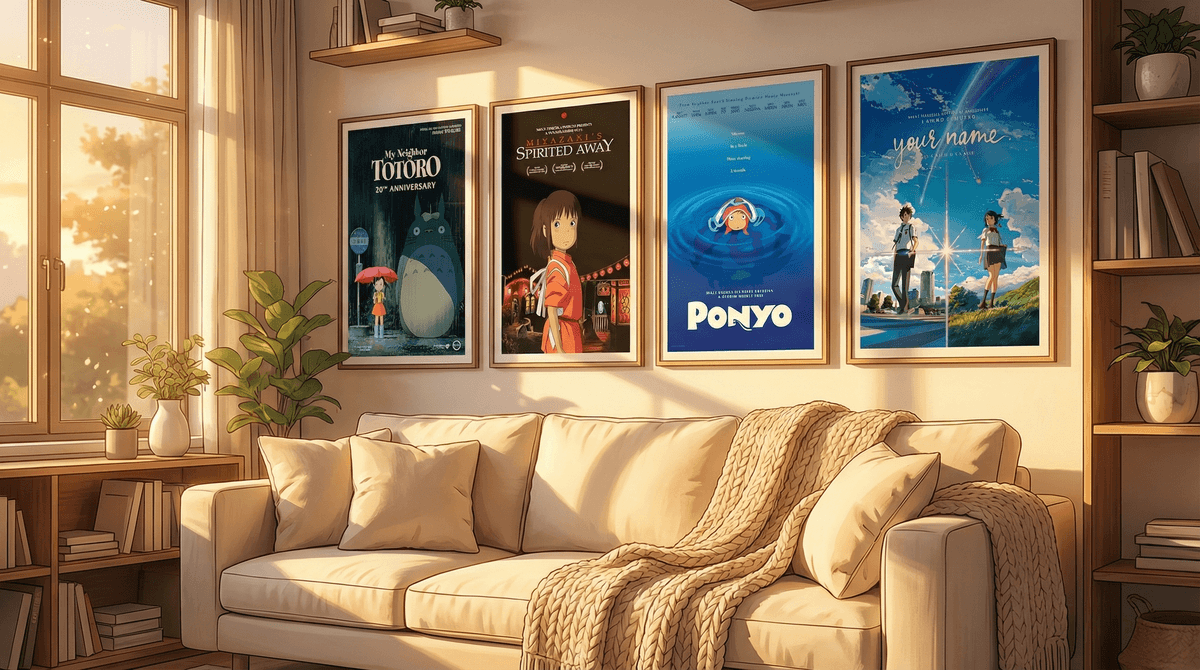
- Ages 4-7: My Neighbor Totoro, Ponyo
- Ages 8-11: Spirited Away, Kiki's Delivery Service
- Ages 12+: Your Name, A Silent Voice
Anime movies occupy this fascinating space in family entertainment. They're often slower-paced than American animated films, more willing to sit in quiet moments, and they trust kids to handle complex emotions without spelling everything out. A character can feel sad without a pop song explaining their feelings. A problem can take time to solve. Magic can exist without extensive world-building exposition.
The best anime films also have this stunning visual artistry that makes even simple scenes feel special—rain falling, a girl flying, someone making breakfast. It's the kind of animation that makes kids (and adults) actually look at what's on screen instead of just consuming content.
But here's the thing: "anime" is just Japanese animation, which means it covers everything from toddler-friendly to absolutely-not-for-kids. So let's break down what actually works for different ages.
If you're new to anime movies, Studio Ghibli films are your starting point. Think of them as the Pixar of Japan, except they've been making masterpieces since the 1980s.
My Neighbor Totoro (Ages 4+)
This is the perfect first anime movie. Two sisters move to the countryside and encounter friendly forest spirits, including the iconic Totoro—a giant, fluffy creature who's basically a walking hug. There's no villain, no chase scenes, no manufactured conflict. Just kids exploring, dealing with their mom's illness in the background, and experiencing wonder.
The pacing is gentle. Things happen slowly. A bus stop scene lasts several minutes with almost no dialogue. For kids raised on rapid-fire American animation, this might feel weird at first—but most kids absolutely sink into it. It's cozy in a way that modern movies rarely are.
Parent note: The mom is in the hospital (she has tuberculosis), which some sensitive kids might find scary. But it's handled gently and she's clearly getting better.
Ponyo (Ages 4+)
A goldfish wants to become human after befriending a five-year-old boy. It's The Little Mermaid meets Miyazaki's fever dream, with the most gorgeous water animation you'll ever see. The plot is delightfully weird and doesn't totally make sense, but young kids don't care—they're too busy being enchanted by the magic and the friendship.
This one's even gentler than Totoro, with basically zero scary moments. Perfect for the 4-6 crowd.
Kiki's Delivery Service (Ages 6+)
A 13-year-old witch moves to a new city and starts a delivery service using her flying abilities. This is essentially a coming-of-age story about finding your place, dealing with self-doubt, and learning that growing up means losing some magic but gaining something else.
The themes are more mature than Totoro or Ponyo—Kiki experiences what's basically depression when she loses her powers—but it's handled in a way that's accessible to elementary-aged kids. Great for discussions about dealing with new situations and building confidence .
.
Spirited Away (Ages 8+)
This is the Ghibli film everyone knows—it won the Oscar for Best Animated Feature in 2003. A girl's parents are turned into pigs at an abandoned theme park that's actually a bathhouse for spirits, and she has to work there to save them.
It's weirder and darker than the others. There are genuinely creepy moments (the No-Face character, the parents as pigs, the general surreal atmosphere). But it's also incredibly beautiful and profound, with themes about greed, identity, and environmentalism woven throughout.
Most 8-10 year olds can handle it, but know your kid. If they're sensitive to scary imagery or need clear plot logic, maybe wait until 10 or 11.
Howl's Moving Castle (Ages 8+)
A young woman is cursed to become elderly and ends up living in a wizard's magical walking castle. It's romantic, weird, and the plot is genuinely confusing in places (even adults struggle to follow all the threads). But the characters are wonderful, the castle is endlessly fascinating, and there's something deeply satisfying about watching Sophie find her confidence as an old woman.
Fair warning: there are war scenes that might be intense for younger or sensitive kids. The movie has a strong anti-war message, but that means showing some of war's ugliness.
The Boy and the Heron (Ages 10+)
Miyazaki's newest film (2023) is also his most personal—a semi-autobiographical story about a boy dealing with his mother's death during WWII. It's beautiful and strange and sad and hopeful, but it's also his most challenging film. The imagery is sometimes disturbing (fire, death, weird creatures), and the plot is intentionally dreamlike and hard to follow.
This is for older kids who can handle heavy themes and ambiguity. Not a first anime movie, but potentially profound for the right 10-13 year old.
Wolf Children (Ages 10+)
A woman falls in love with a man who's secretly a wolf, they have two kids who can transform between human and wolf, and then he dies. She has to raise these half-wolf children alone, eventually moving to the countryside where they can be themselves.
This movie is stunning—both visually and emotionally. It's about parenthood, identity, choosing your path, and accepting that your kids might choose differently than you'd hoped. There's one brief intimate scene (how the kids were conceived) that's tasteful but might prompt questions. The father's death is also sad but not graphic.
Great for 10+ kids, especially those interested in stories about being different or found family themes.
Your Name (Ages 12+)
Two teenagers randomly swap bodies and have to navigate each other's lives—until something much bigger and more mysterious is revealed. This was a massive hit in Japan and became the highest-grossing anime film for a while.
It's romantic (they fall for each other), there's some mild language, and one scene where the boy (in the girl's body) is surprised by her chest. The plot also involves a devastating disaster. But it's an absolutely beautiful film about connection, fate, and how we impact each other across time and space.
Perfect for middle schoolers, especially those ready for more mature storytelling.
A Silent Voice (Ages 13+)
A boy who bullied a deaf girl in elementary school seeks redemption years later. This movie tackles bullying, disability, suicide, and forgiveness—heavy stuff, but handled with incredible sensitivity.
There are attempted suicide scenes (not graphic but clear in intent). The bullying is realistic and hard to watch. But it's also one of the most emotionally mature films about making amends and learning to forgive yourself.
This is for mature teens who can handle serious themes. Watch it together and plan to talk afterward.
The Girl Who Leapt Through Time (Ages 11+)
A high school girl discovers she can time travel and uses it to fix everyday problems—until she realizes every change has consequences. It's fun and heartfelt, with some great lessons about accepting that you can't control everything.
Some mild romance and mature themes, but generally appropriate for middle schoolers.
Weathering with You (Ages 12+)
From the director of Your Name, this one's about a runaway boy who meets a girl who can control the weather. It's gorgeous, romantic, and deals with climate themes, poverty, and sacrifice. There's some mild sexual content and mature situations (the teen protagonists are living alone, there's implied prostitution in the background).
Better for high schoolers or mature middle schoolers.
Castle in the Sky (Ages 8+)
Another Ghibli classic about sky pirates, floating cities, and ancient technology. It's an adventure film with some scary moments (military violence, the main villain is genuinely menacing) but nothing too intense for most 8+ kids.
The Secret World of Arrietty (Ages 6+)
Tiny people live under the floorboards and "borrow" from humans. It's gentle and lovely, perfect for younger kids who liked Totoro and are ready for something with slightly more plot.
Mirai (Ages 7+)
A four-year-old boy meets his future teenage sister and learns about his family's history through magical time-jumping. It's really about dealing with a new sibling, but told in this wonderfully creative way. Great for families with multiple kids.
Not every popular anime movie is kid-appropriate:
- Princess Mononoke (Ages 14+): Ghibli's darkest film, with graphic violence, beheadings, and very mature themes about war and environmentalism. It's brilliant but intense.
- Grave of the Fireflies (Ages 16+): Devastatingly sad WWII film about two siblings starving to death. It's a masterpiece but absolutely not for kids. Many adults can't handle it.
- Akira (Ages 17+): Cyberpunk classic with extreme violence, body horror, and mature themes. Definitely not for kids despite being animated.
- Most anime series movies: Films based on shows like Demon Slayer, My Hero Academia, or One Piece assume you know the characters and often have higher violence levels than standalone films.
Ages 4-7: Start with Totoro, Ponyo, or Arrietty. These are gentle, slow-paced, and magical without being scary. Don't worry if your kid seems confused by the pacing—they'll adjust. The key is creating a cozy viewing environment where they can just experience the movie without needing to understand everything.
Ages 8-11:
Spirited Away, Kiki's Delivery Service, Castle in the Sky, and Wolf Children are great options. These have more complex plots and some scary/sad moments, but nothing traumatizing. Good opportunities to talk about handling fear, change, and growing up.
Ages 12-14: Your Name, The Girl Who Leapt Through Time, and Weathering with You work well here. These are more teen-focused with romance and mature themes, but still appropriate for middle schoolers. A Silent Voice is for the more mature end of this range.
Ages 15+: Princess Mononoke, The Boy and the Heron (for the right teen), and more complex films. At this age, you can also explore whether they're interested in anime series beyond movies.
Subtitles vs. Dubs: Most anime movies have both English dubs and subtitled versions. Dubs are easier for younger kids who can't read quickly, but purists prefer subs because the voice acting is often better and jokes translate more naturally. Try both—some kids surprise you by preferring subtitles because they like hearing the original voices.
The Pacing Thing: This is the biggest adjustment for kids (and adults) used to American animation. Anime movies are slower. They let scenes breathe. A character might just sit and think for 30 seconds. This isn't boring—it's intentional. Give it time. Most kids adjust within 15 minutes.
Cultural Differences: Japanese storytelling often works differently than American stories. Endings might be more ambiguous. Good and evil might be less clear-cut. Problems might not all get solved. This is actually great for kids—it teaches them that stories can work in different ways and not everything needs to be spelled out.
The Sad Stuff:
Many anime films deal with loss, death, and sadness more directly than American kids' movies. Parents are often dead or absent. Characters experience real grief. This isn't gratuitous—it's treating kids like they can handle real emotions. But know your kid's sensitivity level and be ready to talk about heavy themes.
Where to Watch:
Most Ghibli films are on Max (HBO Max). Netflix has some anime movies including some Ghibli titles depending on your region. Check JustWatch to see what's currently streaming where.
Anime movies offer something genuinely different from the Disney/Pixar/Illumination content that dominates American kids' viewing. They're slower, weirder, more willing to sit in sadness, and often more visually stunning. They trust kids to handle ambiguity and complex emotions.
Start with Totoro or Ponyo for younger kids, Spirited Away or Kiki for elementary age, and Your Name or Wolf Children for middle schoolers. Watch together, embrace the different pacing, and don't worry if you don't understand everything—half the magic is in the mystery.
And if your kid falls in love with these movies, you've opened a door to an entire world of storytelling that's different from what they're used to. Which is exactly what great family media should do.
Next Steps:
- Pick a movie from the age-appropriate section above
- Create a cozy viewing environment (these movies reward attention)
- Try subtitles if your kid can read—you might be surprised
- Plan to watch together, especially for first-time anime viewers
- Check out our guide to Studio Ghibli films for deeper dives into specific movies
- If they love it, explore anime series for kids as a next step