

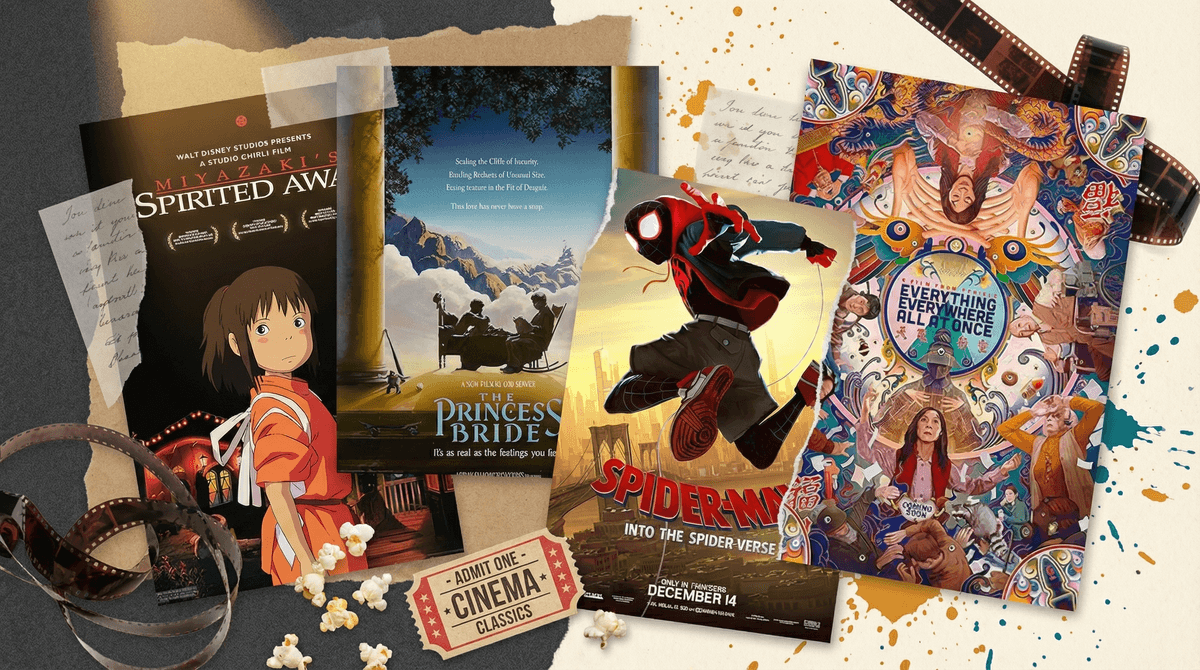
The Ultimate Dad-Daughter Movie Night Guide
TL;DR: The best dad-daughter movie nights aren't about finding the "perfect" film—they're about creating space for connection. Skip the princess movies if they're not her thing, embrace whatever genre she's into (yes, even horror), and use these picks as conversation starters. From Spirited Away to Everything Everywhere All at Once, here are films that actually deliver on both entertainment and those "wait, can we talk about that?" moments.
Dad-daughter movie nights occupy this unique space in family life. They're not family movie night where you're negotiating between a 6-year-old's Bluey obsession and a teenager's tolerance levels. They're not mom-daughter time with its own distinct dynamic. They're something else—a chance to share stories, laugh at the same jokes, and occasionally have those sideways conversations that happen more easily when you're both staring at a screen instead of at each other.
The key is picking films that don't talk down to either of you. Not "kids movies dad has to endure" or "dad movies daughter has to tolerate," but actual good films that work for both generations.
This one's a gimme, but it's a gimme for a reason. Sword fights, true love, giants, and the single most quotable script in cinema history. The frame story of a grandfather reading to his sick grandson gives you a built-in conversation starter about storytelling itself. Ages 7+ (some scary moments with the R.O.U.S. and torture machine, but handled with a wink).
Studio Ghibli is basically cheat codes for quality dad-daughter viewing. This one follows a young witch starting her own delivery business in a new town—it's about independence, finding your place, and the very real struggle of "what if I'm not special enough?" The animation is gorgeous, the stakes feel real without being traumatic, and there's a cat. Ages 6+.
Legitimately one of the best films of the 2010s, full stop. A bear goes to prison and reforms a hardened criminal population through marmalade sandwiches and radical kindness. It's hilarious, it's beautiful, and Hugh Grant is doing a full villain musical number. You will both love it. Ages 5+.
Yes, it's a Disney musical, but it's also about generational trauma and family expectations wrapped in Colombian culture and absolute banger songs. The "We Don't Talk About Bruno" sequence is worth the watch alone, and the conversation about Mirabel not having powers while everyone expects her to be special? That's real stuff. Ages 6+.
A foster kid and his grumpy foster uncle become accidental outlaws in the New Zealand bush. It's funny, it's heartfelt, and it's about found family without being sappy about it. Director Taika Waititi (who later did Thor: Ragnarok) has this gift for balancing genuine emotion with absurdist humor. Ages 10+ (some mild language and themes about loss).
The superhero movie that proved superhero movies could still surprise us. Miles Morales learns that anyone can wear the mask, the animation style is revolutionary, and the father-son relationship at its core translates beautifully to any parent-kid dynamic. The sequel Across the Spider-Verse is even better if she loves the first. Ages 9+.
A family road trip gets interrupted by the robot apocalypse. It's about the generational tech divide (the dad doesn't get why his daughter loves making weird videos), creative kids feeling misunderstood, and ultimately about parents learning to see their kids for who they actually are. Plus it's genuinely hilarious. Ages 8+.
Stunning hand-drawn animation about a girl in 1650s Ireland who befriends a "wolfwalker"—someone who transforms into a wolf while sleeping. It's about friendship across cultural divides, environmental themes, and standing up to authority. The art style alone is worth it. Ages 8+ (some intense wolf-hunting scenes).
A Chinese immigrant mother discovers she can access skills and memories from alternate universe versions of herself while filing taxes. It's about parent-child relationships, immigrant experiences, generational expectations, and also features hot dog fingers. It's weird, it's moving, and it gives you SO much to talk about afterward. Ages 13+ (rated R for language and some mature themes, but most teens can handle it—know your kid ).
).
A linguist works to communicate with aliens who've landed on Earth. It's actually about time, memory, and the parent-child relationship in a way that will wreck you (in a good way). Smart science fiction that trusts its audience. Ages 13+ (some intense moments, themes about loss).
Greta Gerwig's adaptation makes this 150-year-old story feel urgent and modern. Four sisters navigating art, ambition, love, and what it means to be a woman in a world with limited options. The non-linear storytelling adds layers, and it's a great entry point for conversations about gender, creativity, and compromise. Ages 11+.
A murder mystery that's also a comedy, also a commentary on wealth and immigration, also just a really fun whodunit. Ana de Armas is phenomenal as the kind, honest nurse caught in a web of entitled rich people. Daniel Craig doing a southern accent while eating donuts. It's a blast. Ages 13+ (one scene with vomit, some language).
Possibly the most accurate depiction of what it actually feels like to be a teenage girl—awkward, intense, convinced everyone hates you, occasionally hilarious. Nadine's relationship with her teacher (Woody Harrelson) is the kind of adult-who-gets-it dynamic that many teens crave. Ages 14+ (language, teen sexuality themes, but handled realistically).
A high school senior navigating her last year before college, her complicated relationship with her mother, and her desire to escape Sacramento for "somewhere with culture." The mother-daughter relationship is so specific and real it hurts. Works beautifully for dads trying to understand their daughters' perspectives. Ages 15+.
A Chinese-American woman travels to China with her family to say goodbye to her grandmother—who doesn't know she's dying because the family has decided not to tell her. It's about cultural differences, family obligations, and what it means to be caught between two worlds. Quietly devastating and beautiful. Ages 14+.
Wait, hear me out. Yes, it's a post-apocalyptic action movie with trucks and explosions. It's also about women escaping patriarchal control, with Furiosa as one of the best female characters in action cinema. The action is ballet-level choreographed, and the whole thing is basically a two-hour chase scene. Sometimes you just need to watch practical effects and stunt work at the highest level. Ages 15+ (intense action violence throughout).
Elementary (6-10): Stick with films that have clear good vs. evil, hopeful endings, and age-appropriate stakes. Mild peril is fine (kids need to learn to process tension), but avoid graphic violence or themes about mortality that might cause nightmares. The Common Sense Media ratings are actually pretty solid for this age range.
Tweens (10-13): They can handle more complexity—moral ambiguity, sad endings, scarier moments. This is actually a great age for slightly challenging content because they're developing critical thinking but still want to process with you. Just avoid graphic violence, sexual content, and really heavy themes (sexual assault, suicide, etc.) unless you're specifically ready for that conversation.
Teens (13+): They can handle most content, but consider whether YOU'RE ready to watch it together. There's a difference between what a 16-year-old can watch alone and what you want to watch sitting next to each other on the couch. R-rated language? Usually fine. Sex scenes? Maybe awkward. Trust your gut and know your kid.
Let her pick sometimes: The best movie nights are when you trade off. She picks The Hunger Games one week, you pick The Princess Bride the next. Even if her choice is a Netflix rom-com you think looks terrible, watch it with genuine interest. You might be surprised, and even if you're not, she'll remember that you showed up for her interests.
Pause for questions: If she asks "why did they do that?" in the middle of a scene, pause it. The conversation is more important than the movie. Some of the best talks happen when you're both trying to figure out a character's motivation or whether a choice was right.
Snacks matter: This is shallow but true. Make it special. Popcorn with real butter, candy from the movie theater, her favorite soda you don't usually buy. The ritual matters as much as the content.
Phones away: Both of you. The whole point is focused time together. If you're checking work emails during the movie, you're telling her work is more important than this time. (Yes, this is harder than it sounds. Do it anyway.)
Follow up the next day: "I was thinking about that scene where..." or "What did you think about..." the next morning at breakfast. It shows you're still thinking about the experience you shared.
The perfect dad-daughter movie doesn't exist because every kid is different. Some 10-year-olds are ready for Spirited Away's intensity, others need another year. Some teens want to watch Lady Bird with you and talk about mother-daughter relationships, others would rather watch Mad Max: Fury Road and not talk at all.
The goal isn't to pick the objectively "best" film—it's to create a space where she feels seen, where her interests matter, and where you're both experiencing something together. Sometimes that's a Pixar movie, sometimes it's a weird art film, sometimes it's rewatching The Princess Bride for the dozenth time because it's comforting.
The movie is just the excuse. The real thing you're building is the habit of showing up, paying attention, and being present. That's what she'll remember—not which movie you watched, but that you wanted to watch it with her.
Want more recommendations? Check out our guides to family movie night picks, movies that spark conversation, or Studio Ghibli films for kids.