

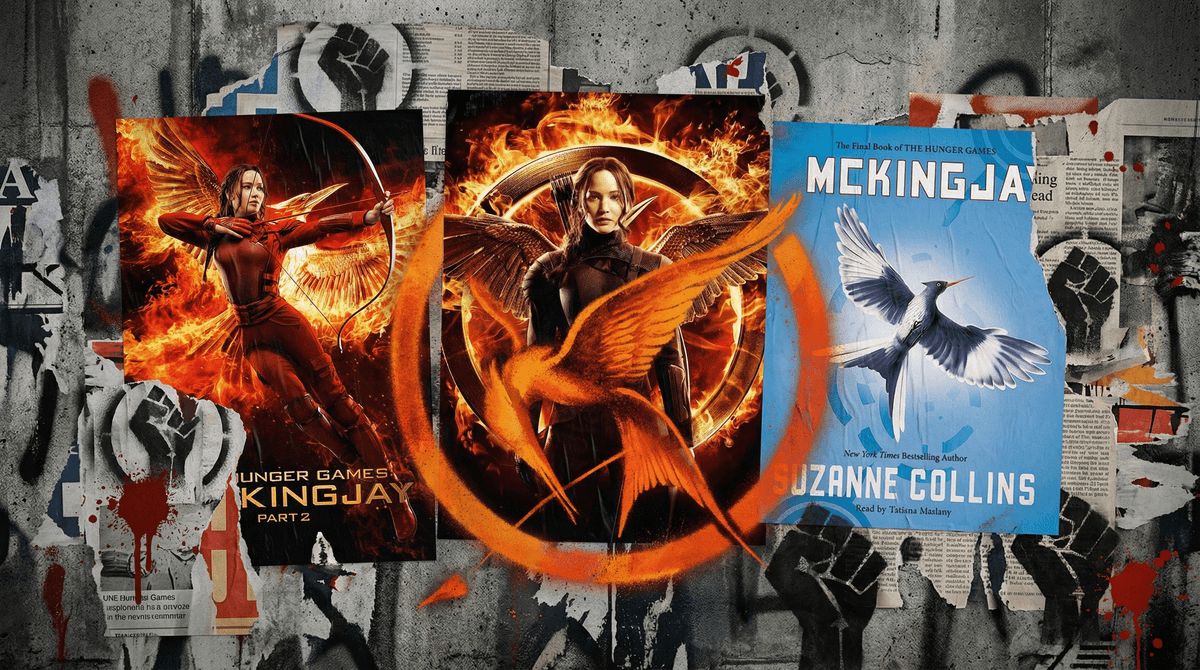
The Hunger Games: Mockingjay Part 2 is the final film in the Hunger Games franchise, released in 2015. It picks up right where Part 1 left off—Katniss is recovering from Peeta's attack (thanks to Capitol brainwashing), and the rebellion against the Capitol is reaching its climax. This is the war movie of the series, following Katniss and her squad as they navigate deadly traps through the Capitol streets to assassinate President Snow.
The basics: PG-13 rating, 137 minutes, directed by Francis Lawrence. It's based on the second half of Suzanne Collins' final book in the trilogy. Unlike the arena-based survival of the first two films, this is urban warfare with propaganda, political maneuvering, and significant casualties among beloved characters.
There's a reason The Hunger Games series became a cultural phenomenon for a generation of teens, and Mockingjay Part 2 delivers on the themes that make it resonate:
It doesn't pull punches about power and propaganda. The film explicitly shows how both sides—the rebellion and the Capitol—manipulate media and sacrifice lives for political gain. President Coin isn't a pure hero, and the movie trusts teens to grapple with moral complexity. In an era where teens are increasingly aware of political manipulation and media literacy matters, this hits different.
Katniss is a reluctant hero dealing with trauma. She's not a Marvel superhero cracking jokes. She has PTSD, makes mistakes, questions authority, and is visibly broken by what she's been through. For teens dealing with anxiety, depression, or just the weight of expectations, seeing a protagonist who's struggling but still moving forward is powerful.
The cost of war is real. Characters die. Not just background characters—people we care about. The film shows the psychological and physical toll of violence without glorifying it. The "happy ending" is bittersweet at best.
Let's be direct: this is the most violent and emotionally heavy film in the series. If your kid handled the previous films okay, they can probably handle this, but it's worth knowing what you're walking into.
Violence and death:
- Multiple graphic deaths including characters being shot, burned alive, and killed by mutant creatures
- A particularly disturbing sequence with sewer mutts (lizard-like creatures) that hunt and kill squad members
- Executions, including the climactic assassination
- The violence isn't gratuitous—it serves the story—but it's intense and sustained
Emotional/psychological content:
- PTSD and trauma responses shown realistically (nightmares, triggers, dissociation)
- Peeta struggling with what's real vs. Capitol programming—including moments where he tries to hurt Katniss
- Suicide references (a character's pill to avoid capture)
- Grief and loss as major themes
- The "happy ending" includes Katniss dealing with depression for years
Romance:
- The Peeta vs. Gale love triangle resolves (spoiler: Team Peeta wins)
- Kissing and embracing, nothing beyond PG-13
- The romance is secondary to the war plot
Language and other content:
- Minimal language (it's PG-13, not sanitized but not R-rated)
- No sexual content
- Brief alcohol use
Ages 13+ is the sweet spot. The PG-13 rating is earned, and I'd actually argue this one pushes the upper end of that rating.
For 11-12 year olds: It depends on the kid. Have they read the books? Did they handle Mockingjay Part 1 okay? Are they sensitive to violence or scary creatures? The mutt sequence in the sewers is legitimately terrifying—think horror movie vibes. If your kid still gets nightmares from scary movies, wait.
For 10 and under: Nope. There are so many better options for this age group. The emotional complexity alone will go over their heads, and the violence is too much. If they're obsessed with the story, stick with the books and wait on the film.
For 14+: This is prime territory. High schoolers especially will appreciate the political themes and moral ambiguity. It's actually a great conversation starter about propaganda, the ethics of war, and what justice looks like.
If you're watching with your teen (or they've already seen it), here are some non-cringe ways to start conversations:
"Do you think Katniss made the right choice at the end?" (The Coin assassination is genuinely debatable—was it justice or murder?)
"How do you think the movie shows both sides using propaganda?" (The rebellion's propos vs. Capitol broadcasts—both manipulate)
"What did you think about how the movie showed Katniss dealing with trauma?" (Opens the door to talking about mental health without making it weird)
"Who do you think was worse—Snow or Coin?" (There's no right answer, and teens love debating this)
Mockingjay Part 2 is a fitting, emotionally complex conclusion to a series that trusted young adults to handle difficult themes. It's violent, it's heavy, and it doesn't offer easy answers. For teens 13 and up—especially those who've been following the series—it's absolutely worth watching.
This is not a feel-good movie. It's a war film that takes trauma seriously and questions whether violent revolution can ever truly lead to justice. If your teen is ready for that complexity, it's one of the better YA adaptations out there.
Watch it with them if you can. Not to police content, but because the conversations it can spark about power, propaganda, and the cost of change are genuinely valuable. Plus, you'll understand why your teen keeps making "if we burn, you burn with us" references.
If they loved this and want more morally complex dystopian stories, check out Divergent (though fair warning, the quality drops significantly in later films) or The Maze Runner series. For something less intense but still thoughtful, The Giver works for slightly younger teens.
- If you haven't seen the previous films: Start with The Hunger Games—watching Part 2 without context is pointless
- If you're concerned about content: Watch it yourself first or read detailed scene breakdowns on Common Sense Media
- If your teen has questions about war/propaganda: Get advice on discussing propaganda with teens
