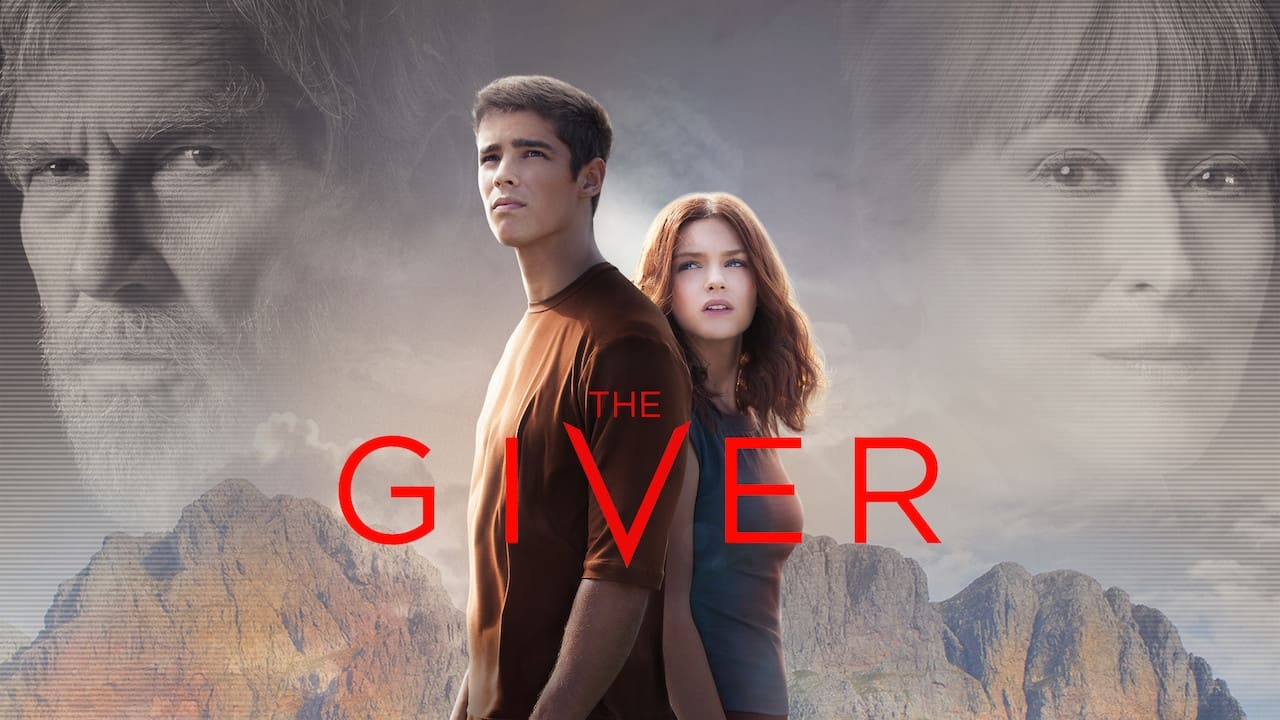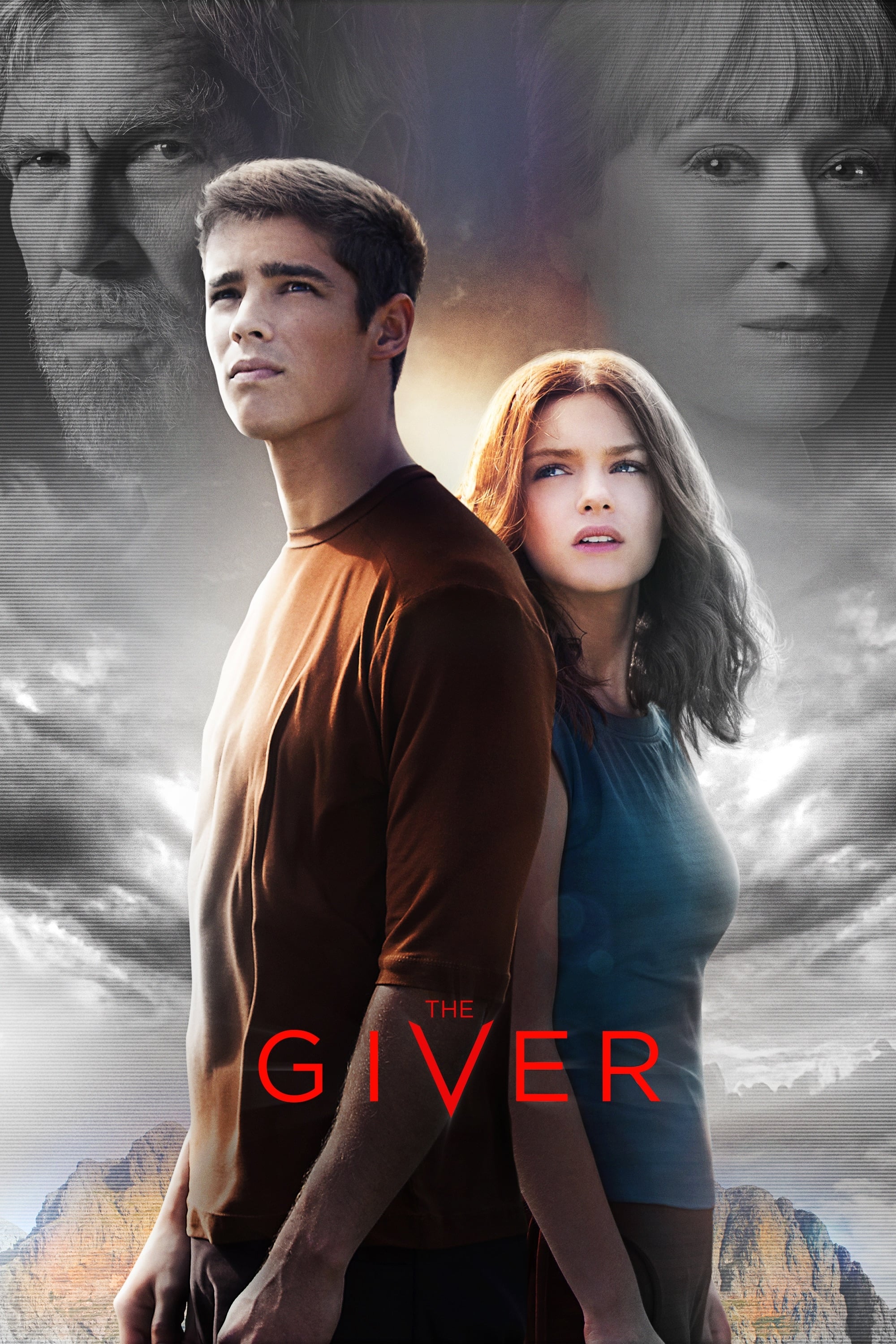

The Giver

The Giver

movie

PG-13, 2014, Drama, Science Fiction

WISE
62%

WISE Score

34

Avg. Tomatometer

Lois Lowry's dystopian classic gets the YA movie treatment—thoughtful themes, but heavy on euthanasia and control that'll need some unpacking.

IMDb6.4
RT Critics34%
MC47
TMDB6.6
Common Sense Media
Where to Watch
Loading streaming options...
Screenwise Verdict

The Giver adaptation is a mixed bag. On one hand, it's based on a genuinely important YA novel that raises profound questions about freedom, emotion, memory, and what makes us human. On the other hand, the 2014 film version already feels dated, caught in that post-Hunger Games wave of YA dystopias that never quite landed.

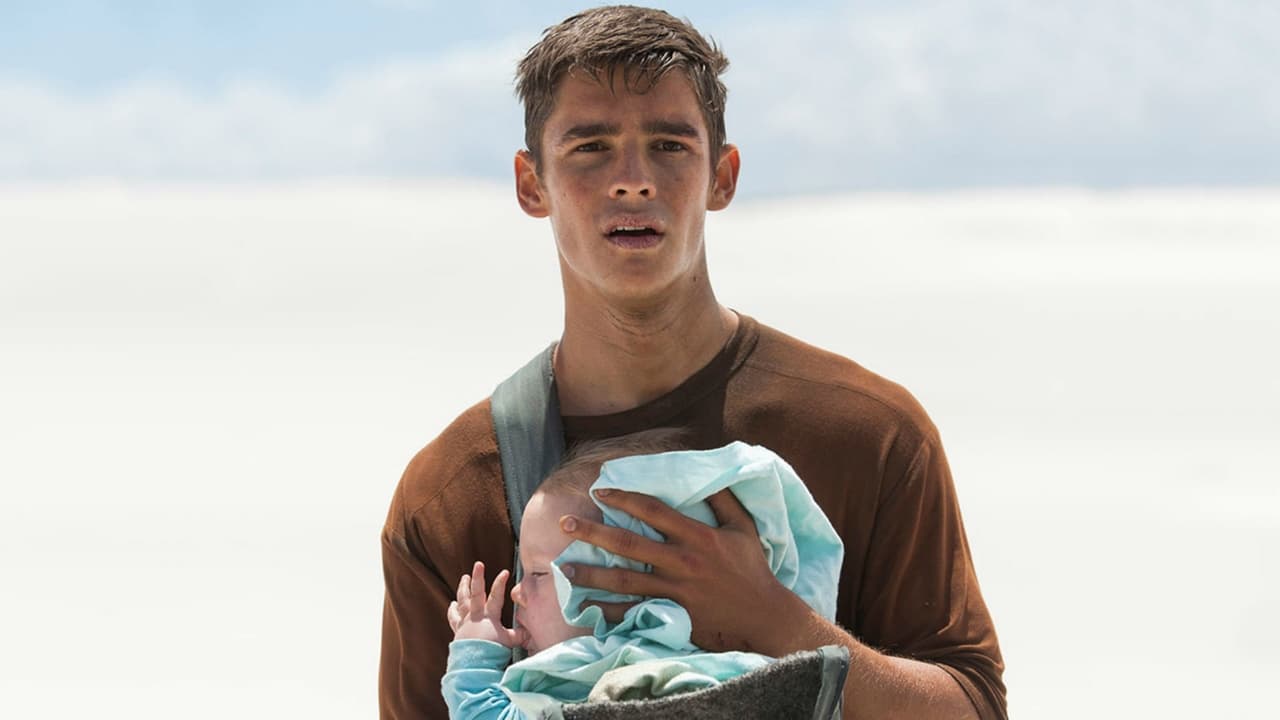
The real challenge here is the content. This isn't about violence or sex—it's about themes of state-sanctioned euthanasia, including of babies and the elderly, presented in a matter-of-fact way that's arguably more disturbing than graphic violence. The scene where Jonas watches his father 'release' an infant is genuinely upsetting, even for adults who understand the metaphor.

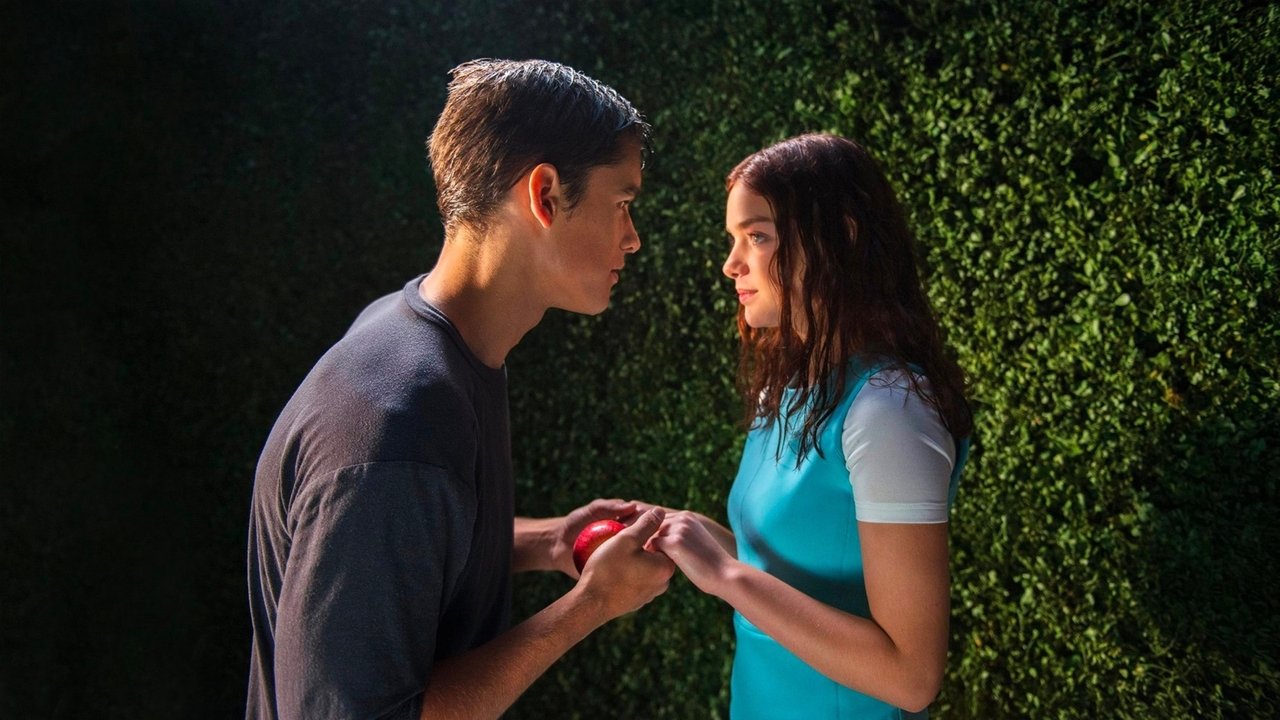
If your kid is ready for serious conversations about totalitarianism, conformity, and the value of difficult emotions, this can be enriching. But it requires parental presence and discussion—this isn't background viewing. And honestly? The book is better. The movie adds unnecessary action sequences and a romance subplot that dilute the philosophical weight.

The TMDB rating of 6.5/10 tells the story: it's okay, not great. For modern kids, it might feel slow and preachy. For the right mature tween ready to wrestle with big ideas, it could spark important conversations. For everyone else, maybe just read the book together instead.
Age Fit

Best for mature 12-14 year-olds who can handle dystopian themes and discussions about death and control. The euthanasia content is genuinely heavy, and younger kids who loved Hunger Games might still find this too emotionally complex. Probably too slow and dated for older teens unless they're book fans.

WISE Breakdown
Wholesome
68

Based on Lois Lowry's beloved novel, the film explores a controlled society that eliminates pain but also joy, choice, and individuality. The story models courage and questioning authority, though the dystopian premise involves emotional suppression and euthanasia ('release') of the elderly and infants. The pacing is deliberate rather than chaotic, and relationships show genuine care, but the emotionally sterile society depicted can feel cold and unsettling.

Imaginative
72

The film's central conceit—a world without color, emotion, or memory that gradually reveals itself through one boy's awakening—is inherently thought-provoking. The visual transition from black-and-white to color as Jonas receives memories is creative. However, the 2014 adaptation is considered a fairly standard YA dystopia execution that doesn't push boundaries the way the source novel did in 1993. It invites reflection on conformity vs. individuality but doesn't offer much interactive exploration or creative expression.

Safe
58

The film deals with mature themes including euthanasia (euphemistically called 'release'), infanticide, state control, and suppression of emotions through daily injections. There are scenes where Jonas witnesses his father euthanizing a baby, which is deeply disturbing even though not graphically violent. The romantic elements are chaste, and there's no explicit content, but the thematic weight—suicide, death, totalitarian control—makes this challenging material that could be genuinely upsetting for younger or more sensitive viewers. This isn't a jump-scare situation, but it's heavy and parents should be prepared.

Enriching
75

The Giver raises profound questions about freedom vs. security, the value of pain and difficult emotions, individuality vs. conformity, and what makes life meaningful. It's excellent fodder for discussions about choice, memory, family, and societal control. The film explores ethical dilemmas around euthanasia and state power. However, the 2014 adaptation simplifies some of the novel's nuance and adds a more action-oriented climax that dilutes the philosophical depth. Still, it offers genuine food for thought and can spark meaningful conversations.

Parent Info

Why It Might Be Great

  • Tackles big philosophical questions about freedom, choice, emotion, and what makes life meaningful—great conversation fuel
  • The visual journey from black-and-white to color as Jonas awakens is a clever storytelling device
  • Introduces kids to dystopian literature themes in a more accessible format than reading the dense novel
  • Shows the importance of memory, history, and feeling the full range of human emotions, even painful ones

What to Watch For

  • The 'release' scenes—particularly involving a baby—are genuinely disturbing even without graphic violence; prepare for questions and potential upset
  • Themes of state-sanctioned euthanasia, emotional suppression, and totalitarian control are heavy and may be too much for sensitive kids
  • The romance subplot and action-movie climax feel tacked on and dilute the novel's philosophical depth
  • At 10+ years old, the film already feels dated with its mid-2010s YA dystopia vibes

Conversation Starters

  • "If you could choose between a world with no pain but also no real joy, or our messy world with both, which would you pick?"
  • "Why do you think the community wanted everyone to be 'the same'? What do we lose when everyone has to conform?"
  • "Jonas's father didn't seem to understand what he was doing when he 'released' the baby. How does that make his actions different?"
  • "What memories or feelings would you never want to give up, even if they were painful sometimes?"
Stills
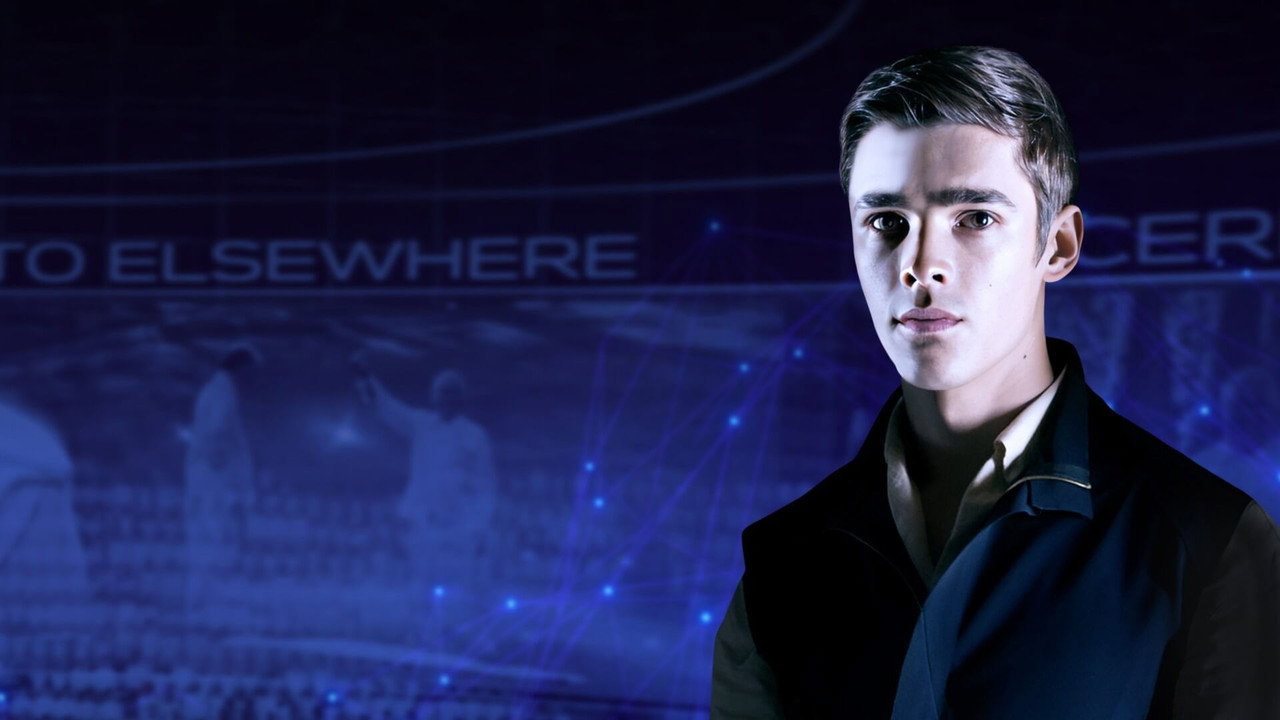
The Giver — still 1
The Giver — still 2
The Giver — still 3
The Giver — still 4
The Giver — still 5
The Giver — still 6
The Giver — still 7
The Giver — still 8

Ask Anything

Get a personalized guide on any topic

Related Guides