

The Pitt Season 2: The Ultimate Parent Guide and Episode Notes
TL;DR: HBO's medical drama The Pitt is back with Noah Wyle running a Pittsburgh ER through 15 episodes of intense, real-time medical chaos. Season 2 is not for kids under 14, full stop. We're talking graphic medical procedures (including a fully shown vaginal birth and a hand degloving), moderate profanity, non-sexual nudity, and heavy themes about healthcare collapse and AI in medicine. If you've got a teen interested in medicine or who can handle Grey's Anatomy-level intensity, this could be a fascinating watch-together experience. Just know what you're walking into.
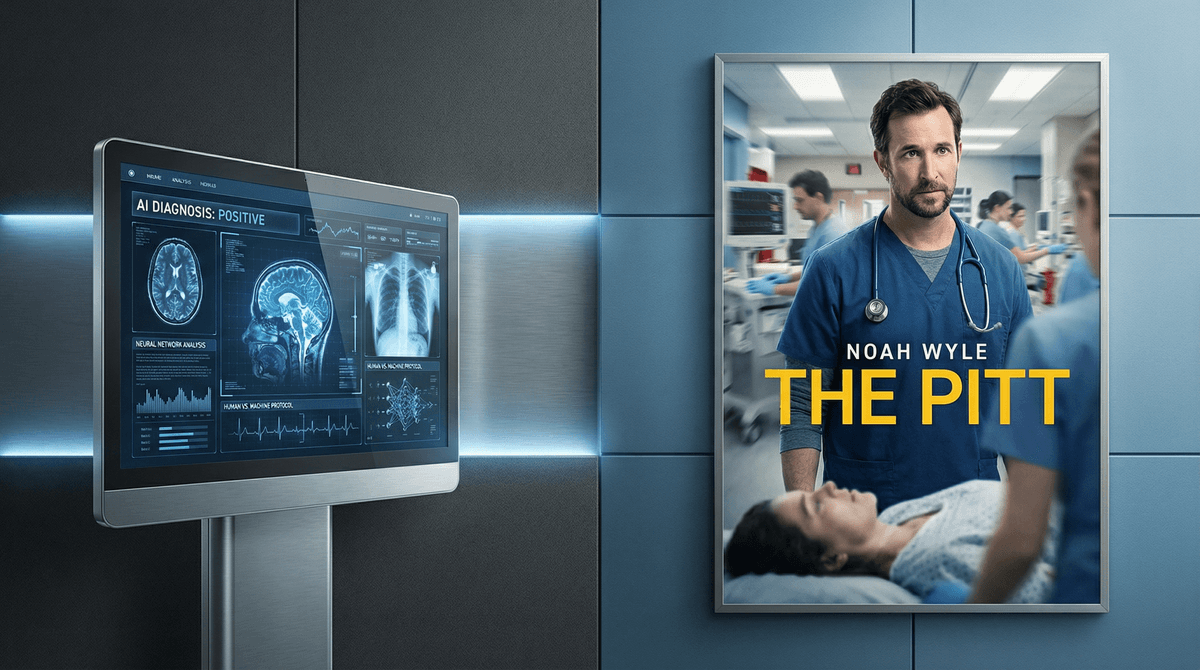
The Pitt is HBO's high-stakes medical drama that follows Dr. Michael "Robby" Rabinavitch (Noah Wyle, yes, from ER) as he leads the emergency department at a Pittsburgh hospital. The show unfolds in real-time across 15 one-hour episodes, each representing one hour of a chaotic shift. Think 24 meets ER meets a very realistic look at America's healthcare system barely holding together.
Screenwise Parents
See allSeason 2 dropped on January 9, 2025, and critics are calling it the show's "West Wing era" — meaning it's getting more political, more ambitious, and honestly, more intense.
Let's be real about what you're signing up for here. According to Common Sense Media and multiple parent reviews, here's the deal:
Medical Gore & Graphic Content (Severe): This isn't sanitized TV medicine. Season 2 shows a complete hand degloving in the first episode. There's a full vaginal birth shown on camera — nothing hidden, everything visible. Plugged In notes that while the nudity isn't sexualized, it's definitely there. We're talking severe injuries, bodily trauma, blood, medical procedures in explicit detail. If your kid gets queasy at the doctor's office, this isn't it.
Language (Moderate): Profanity is present but not constant. Think realistic workplace stress language — the kind of swearing that happens when someone's dying and equipment isn't working.
Themes (Heavy): Beyond the medical intensity, Season 2 dives deep into:
- Healthcare system collapse and resource scarcity
- AI's role in medical decision-making (more on this below)
- Death, grief, and moral injury among healthcare workers
- Systemic failures and bureaucratic nightmares
- Smoking and substance use among stressed staff
One Parent's Take: There's a review on Common Sense Media from a parent who watched with their 8 and 11-year-old and thought it was "amazing" with "light swearing and gore which is fine for ages 8+." I'm going to respectfully disagree here. What one family considers "light gore" might be another kid's nightmare fuel. The hand degloving alone is... a lot.
Here's where Season 2 gets really interesting for families thinking about technology and ethics. The show introduces a major conflict over AI integration in the emergency department — specifically, AI systems making triage decisions and diagnostic recommendations.
This is incredibly timely. According to our Screenwise community data, 85% of families report their kids aren't using AI tools yet, but 8% are using it for homework and another 6% for creative projects. The Pitt Season 2 asks the exact questions your family should be discussing:
- When should algorithms make life-or-death decisions?
- What happens when efficiency conflicts with human judgment?
- Who's accountable when AI gets it wrong?
- How do we balance innovation with care?
If you've got a teen who's starting to use ChatGPT for homework or is curious about AI, watching Dr. Rabinavitch wrestle with these questions in a high-stakes ER could spark some genuinely fascinating dinner table conversations.
Ages 14-15: Maybe, with parent co-viewing. If your teen has expressed serious interest in medicine, can handle graphic medical content, and you're there to process the heavy themes together, this could work. But know your kid — some 15-year-olds will find this fascinating, others will be traumatized.
Ages 16+: More appropriate for mature teens who can contextualize what they're seeing. This is a good age for discussing healthcare systems, professional ethics, and the realities of high-stress careers.
Ages 8-13: Nope. I don't care what that one parent review said. The graphic medical content is too intense, and the themes are too heavy for this age group. There are much better medical shows for younger kids if they're interested in healthcare.
Despite all the warnings, there's real value here for the right family:
1. Career Exploration: If your teen is considering medicine, nursing, or any healthcare career, this shows the reality — not the glamorized version. The exhaustion, the moral complexity, the impossible decisions, and yes, the profound meaning of the work.
2. Systems Thinking: The show is masterful at illustrating how individual choices ripple through complex systems. Every decision Dr. Rabinavitch makes affects patient care, staff morale, and hospital operations. That's a valuable lesson for teens heading into any field.
3. Technology Ethics: The AI storyline isn't preachy — it shows competing valid perspectives. Perfect for teaching critical thinking about technology adoption.
4. Emotional Intelligence: Healthcare workers experience moral injury — the psychological toll of being unable to provide the care they know patients need. Watching professionals navigate this can help teens develop empathy and understand workplace mental health.
Since The Pitt unfolds in real-time, each episode builds on the previous hour. Here are some questions to discuss as you watch:
After Episode 1 (The Hand Degloving):
- How do you think Dr. Rabinavitch prioritizes which patients get attention first?
- What would you do if you had to make those kinds of decisions?
When the AI Conflict Emerges:
- Should hospitals use AI to help with triage? Why or why not?
- What could go wrong? What could go right?
- How is AI different from other medical technology
 ?
?
During the Birth Scene:
- This is probably a good time to pause and check in. Is everyone okay?
- For older teens: What did you notice about how the medical team communicated?
Throughout the Season:
- What do you think keeps these healthcare workers coming back every day?
- How do they cope with the stress and trauma?
- What systemic changes would help this hospital?
Our community data shows families average 4.2 hours of screen time daily (4 hours on weekdays, 5 on weekends), and 92% of families are using streaming TV services. Fifteen hour-long episodes is a significant commitment — that's 15 hours of intense content.
Consider spacing it out rather than binging. The show is designed to feel like real-time pressure, but that doesn't mean you need to experience it that way. One or two episodes per week gives everyone time to process and discuss.
If you love the medical drama concept but need something less graphic:
- The Good Doctor (Ages 13+): Follows an autistic surgical resident, less graphic but still medically interesting
- Scrubs (Ages 14+): Comedy-drama that balances humor with real medical ethics
- [Operation Ouch!](https://screenwiseapp.com/media/operation-ouch-youtube (Ages 7-12): British kids' show about medicine and the human body, genuinely educational and entertaining
- Lenox Hill (Ages 15+): Netflix documentary series following real doctors, graphic but educational
The Pitt Season 2 is exceptional television that treats its audience like adults who can handle complexity, ambiguity, and graphic reality. It's not entertainment in the traditional sense — it's more like a 15-hour immersive experience in a collapsing healthcare system.
Watch it with your older teen if:
- They're genuinely interested in medicine or healthcare careers
- They can handle graphic medical content without nightmares
- You're ready to have deep conversations about systems, ethics, and technology
- You can commit to co-viewing and processing together
Skip it if:
- Your kid is under 14
- They're sensitive to medical procedures or blood
- You're looking for light entertainment
- You don't have bandwidth for heavy emotional content
The show's AI storyline makes it especially relevant right now, as we're all figuring out how to integrate these tools into our lives. Just make sure everyone's ready for the intensity before you press play.
And hey, if you do watch it together and have thoughts, I'd love to hear how it went. This is the kind of show that sticks with you — for better or worse.