

Let's be real: finding teen movies that aren't either painfully cringe or basically adult content with a high school backdrop is harder than it should be. You want something your teen will actually watch (and maybe even enjoy with you), that won't make you regret every parenting decision you've ever made, and ideally sparks a conversation beyond "can I have more screen time?"
The good news? There are genuinely great teen movies out there right now across streaming platforms—films that treat teenagers like actual humans with complex emotions, not just walking hormones or after-school special stereotypes. Some are nostalgic classics that hold up, others are newer releases that get today's teen experience right.
Screenwise Parents
See allThis guide breaks down what's actually worth watching, organized by what you're looking for: coming-of-age stories, comedies that don't rely on cruelty, romances that aren't toxic, and films that tackle harder topics without being preachy.
Teen movies do more than just entertain. They're often how teenagers see themselves reflected (or not) in media, how they process big feelings, and honestly, how they learn what relationships and friendships are supposed to look like. A good teen movie can open up conversations about identity, consent, mental health, peer pressure, and values in a way that doesn't feel like a lecture.
The problem? A lot of teen content is either sanitized to the point of irrelevance or goes so hard into "edgy" territory that it normalizes genuinely concerning behavior. You want the middle ground—films that respect both your teen's intelligence and your family's boundaries.
Not all "teen movies" work for all teens. A 13-year-old and a 17-year-old are in completely different developmental places. Here's how to think about it:
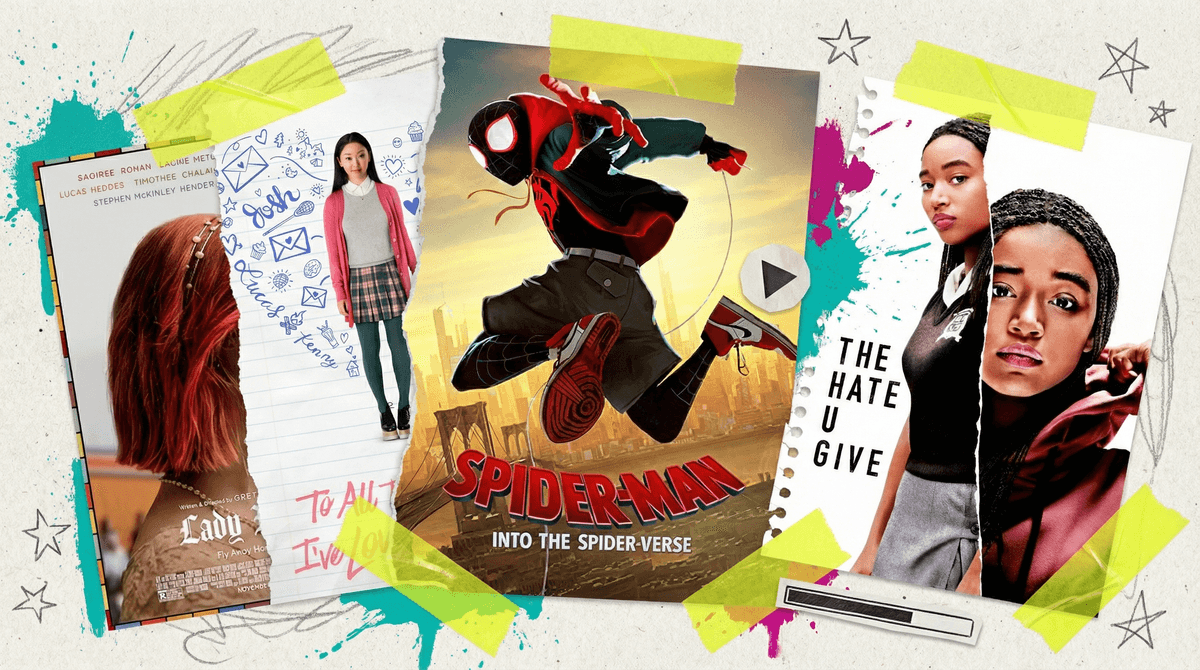
Ages 12-14 (Middle School): Look for PG-13 movies focused on friendship, self-discovery, and navigating social dynamics. Light romance is fine, but anything heavily focused on sex or substance use might be too much. Think The Edge of Seventeen, Eighth Grade, or Spider-Man: Into the Spider-Verse (yes, it counts—it's fundamentally a coming-of-age story).
Ages 15-17 (High School): Most mainstream teen movies land here. R-rated content becomes more appropriate depending on your family, but pay attention to why something is rated R. Language and some mature themes? Probably fine. Graphic sexual content or intense violence? Maybe not. Lady Bird, The Perks of Being a Wallflower, and Booksmart are solid picks.
The "Watch Together First" Rule: For anything you're unsure about, watch it yourself or with your teen first. Not to censor, but to be ready for questions and conversations. Some of the best family moments happen when you can pause and say "wait, let's talk about that."
For Coming-of-Age Realness
Eighth Grade (2018, R) This is painfully, beautifully accurate about what it's like to be 13 in the age of social media. Bo Burnham gets it. Yes, it's R-rated (mostly for language), but it's one of the most important films about adolescence in the digital age. Ages 13+, ideally watched together.
The Edge of Seventeen (2016, R) Hailee Steinfeld is phenomenal as a high schooler navigating friendship betrayal, family tension, and general teenage misery. It's funny and heartbreaking and doesn't offer easy answers. Ages 14+.
Lady Bird (2017, R) The mother-daughter relationship in this film is chef's kiss. It's about senior year, college applications, first love, and the complicated love between parents and teens. If you have a daughter in high school, this one hits different. Ages 15+.
For Laughs That Don't Punch Down
Booksmart (2019, R) Two overachieving best friends decide to cram four years of fun into one night before graduation. It's raunchy but smart, and the friendship at its core is genuinely moving. Also, it's nice to see a teen comedy where the gay character isn't the punchline—she's just living her life. Ages 16+.
Spider-Man: Into the Spider-Verse (2018, PG) Yes, it's animated. Yes, it's a superhero movie. But it's also one of the best coming-of-age films of the past decade, about figuring out who you are and living up to impossible expectations. Works for ages 10+, but teens will catch layers younger kids miss.
For Romance Without the Toxicity
To All the Boys I've Loved Before (2018, PG-13) The gold standard for modern teen romance. Lara Jean and Peter's relationship actually shows healthy communication (eventually), consent, and mutual respect. Plus, it's just charming as hell. Ages 12+.
Love, Simon (2018, PG-13) The first major studio teen rom-com with a gay protagonist, and it's genuinely lovely. It treats Simon's coming-out story with care while still being funny and sweet. Ages 13+.
For Harder Conversations
The Perks of Being a Wallflower (2012, PG-13) Deals with mental health, trauma, and finding your people. It's heavy but hopeful, and Logan Lerman, Emma Watson, and Ezra Miller are perfect. Content warning: includes references to sexual abuse and suicide. Ages 15+, definitely watch together.
The Hate U Give (2018, PG-13) Based on Angie Thomas's incredible book, this film tackles police violence, activism, and code-switching with nuance and power. Amandla Stenberg's performance is stunning. This one deserves a family conversation afterward. Ages 14+.
Not every popular teen movie is worth your time:
Euphoria isn't a movie, but if your teen mentions it: this HBO show is genuinely intense—graphic drug use, sexual content, and violence. It's well-made, but it's absolutely not for most teens despite being about teens. Ages 18+ if at all.
365 Days and similar Netflix "romance" films: these aren't teen movies, but teens are watching them, and they romanticize kidnapping, coercion, and abuse. Just... no. If your teen is watching these, here's how to talk about consent and healthy relationships .
.
Mean Girls (2004) is a classic, but watch it with context. It's satirizing cruelty, but younger teens might miss that and just see the meanness. Ages 13+ with discussion.
Let them choose (with guardrails). Give your teen 3-4 options you've pre-screened. They get autonomy, you get peace of mind.
No phones during the movie. This goes for you too. Model the behavior you want to see.
Save conversation for after. Don't pause every five minutes to make a point. Let the story unfold, then talk.
Ask open-ended questions: "What did you think about how they handled that?" beats "Do you see why that was wrong?"
Good teen movies exist—you just have to look past the algorithm pushing whatever's trending and the studios cranking out garbage. The films above treat teenagers like complex humans, tackle real issues without being after-school specials, and can actually create space for meaningful conversations.
Your teen doesn't need you to curate their entire media diet, but co-viewing the right movies together can be one of the best investments you make in your relationship. You get insight into their world, they get to see you engage with their interests, and everyone gets a shared cultural reference point that isn't TikTok drama.
Start with one movie this week. See what happens. The conversation might surprise you.
- Check out our full database of teen movies with ratings, parent reviews, and WISE scores
- Not sure about a specific movie? See if a movie is age-appropriate for your teen
- Want more recommendations? Take our family survey to get personalized suggestions based on your values and your teen's interests