

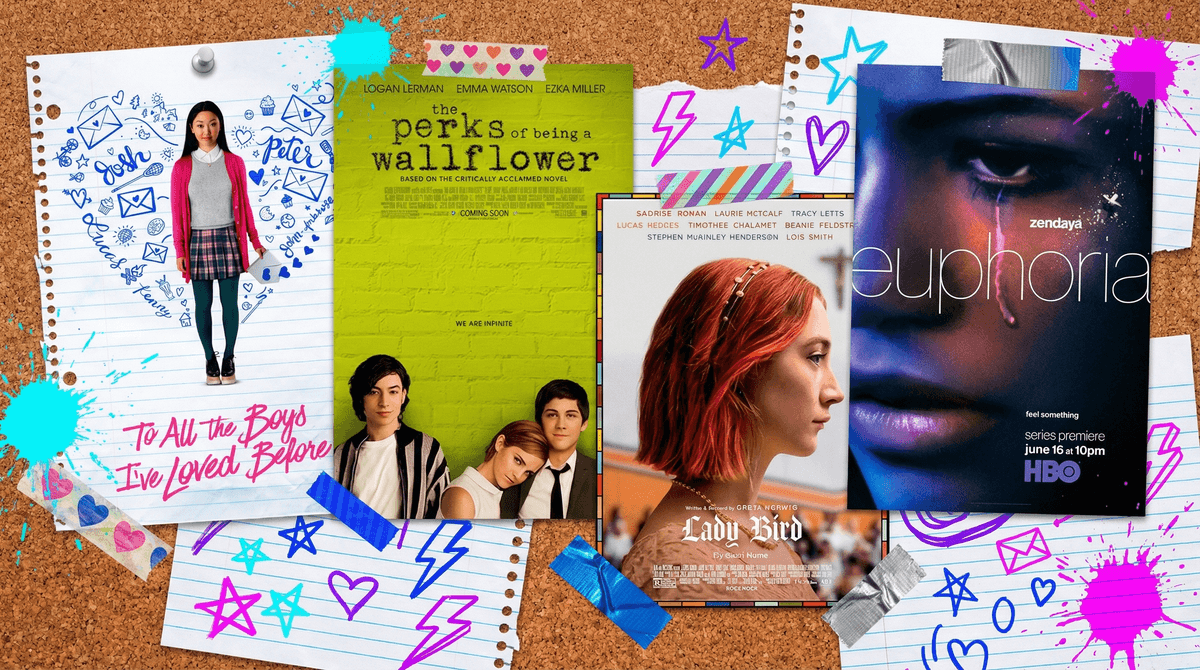
Teen Movies: What Parents Need to Know Before Hitting Play
Look, teen movies have always been a thing. But what counted as "edgy" in the John Hughes era (some mild language, maybe a party scene) is basically G-rated compared to what's streaming now. And that's not necessarily bad—it's just different. Today's teen movies often tackle real issues like mental health, sexuality, and identity in ways that can actually spark important conversations. But they also sometimes include content that might make you do a spit-take if you're watching with your 13-year-old.
The tricky part? There's no universal "teen movie" anymore. Netflix alone has everything from genuinely sweet coming-of-age stories to shows that are basically soft-core with a high school backdrop. And your teen's friends are watching all of it, which means your kid is hearing about all of it.
We're talking about movies and shows aimed at (or popular with) the 13-18 crowd. Think:
- Classic coming-of-age stories: First love, identity struggles, finding your people (The Perks of Being a Wallflower, Lady Bird)
- High school dramedies: Social hierarchies, friend drama, romance (To All the Boys I've Loved Before, Mean Girls)
- Issue-focused films: Mental health, LGBTQ+ identity, social justice (The Hate U Give, Love, Simon)
- Party/sex comedies: The modern descendants of American Pie, but often raunchier (Booksmart, Sex Education)
- Dystopian YA adaptations: Because teens love a good metaphor for feeling powerless (The Hunger Games, Divergent)
The streaming era has also created a gray area between "movie" and "show"—many teens are binging series like Heartstopper, Outer Banks, or Ginny & Georgia, which function like 8-hour movies broken into episodes.
Teen movies do something important: they validate the teenage experience. They say "your feelings are real, your struggles matter, and you're not alone." That's powerful when you're 15 and everything feels like the end of the world.
Good teen movies also:
- Explore identity in ways that feel safe and removed (it's easier to think about who you are while watching someone else figure it out)
- Model relationships (both healthy and unhealthy—more on this in a sec)
- Provide shared cultural touchstones (if everyone at school is talking about a movie, your teen wants to be part of that conversation)
- Offer escapism from the very real pressures of being a teenager in 2026
The problem is that not all teen movies are created equal. Some are thoughtful, well-crafted stories that treat teens with respect. Others are... well, they're trash. Entertaining trash, maybe, but trash nonetheless.
Here's what you're likely to encounter in popular teen movies:
Sexual Content: This is the big one. Modern teen movies often include:
- Explicit discussions of sex (sometimes educational, sometimes gratuitous)
- Sex scenes (ranging from implied to surprisingly graphic)
- Casual hookup culture portrayed as the norm
- Pressure around virginity and sexual experience
Substance Use: Drinking and drug use are often depicted as:
- Consequence-free and fun
- A normal part of high school life
- A way to deal with stress or fit in
Mental Health: This can be handled well or terribly:
- Some movies treat depression, anxiety, and suicide with care
- Others romanticize mental illness or use it as a plot device
- 13 Reasons Why famously sparked huge controversy for its depiction of suicide
Language: Pretty much every teen movie has strong language. If the F-word is a dealbreaker, you'll need to be selective.
Bullying and Social Cruelty: Often played for laughs in ways that might not sit right with you (or might be triggering if your teen is dealing with this IRL).
The MPAA ratings are... not super helpful here. PG-13 can mean "a few curse words" or "everything but actual nudity." R can mean "realistic violence" or "basically porn." So here's a more practical breakdown:
Ages 13-14: Look for movies that:
- Deal with middle school or early high school experiences
- Have romance but keep it pretty innocent
- Address real issues without graphic depictions
- Think: The Half of It, Eighth Grade (though this one has some intense moments), Spider-Man: Into the Spider-Verse
Ages 15-16: Your teen can probably handle:
- More mature themes and language
- Some sexual content (but maybe not explicit scenes)
- Darker subject matter with appropriate context
- Think: The Edge of Seventeen, Juno, Booksmart
Ages 17-18: At this point, you're mostly making sure:
- They're thinking critically about what they watch
- They understand the difference between movie relationships and real ones
- They're not watching stuff that's just exploitative garbage
- Most R-rated teen content is probably fine, but check reviews
That said: Your 13-year-old might be more mature than someone else's 16-year-old. You know your kid.
1. Use Common Sense Media: Seriously, bookmark it. They break down exactly what's in every movie (language, sex, violence) and give both parent and kid reviews. It's invaluable.
2. Watch together when possible: Not always feasible with a teenager, but co-viewing lets you:
- Gauge their reactions in real-time
- Pause for questions or discussions
- Provide context they might not have
3. Have the "movies aren't real life" conversation: Teens know this intellectually, but they need reminders that:
- Movie relationships are written to be dramatic, not healthy
- Real sex doesn't look like movie sex (awkwardness is normal)
- The "popular kids vs. outcasts" thing is way less relevant in real life
- Get tips on talking to teens about unrealistic media portrayals

4. Be strategic about what you push back on: If you say no to everything, you lose credibility. Pick your battles. Maybe you're fine with language but not with graphic sex scenes. Or you're okay with mature themes if they're handled thoughtfully. Figure out your non-negotiables and be clear about them.
5. Acknowledge the social pressure: "I know everyone's watching Euphoria, and I know it sucks to be left out of conversations" is a valid thing to say. Then explain why you're still saying no (or yes with conditions, or yes but let's talk about it after).
Here's the thing about Netflix, Hulu, Max, etc.: they don't care about your family's values. The algorithm just wants engagement. So your 14-year-old who watched one coming-of-age movie is now being recommended increasingly mature content.
Practical steps:
- Use parental controls (every service has them, though they're not perfect)
- Check the "continue watching" and "recently watched" sections periodically
- Have separate profiles for teens vs. younger kids
- Remember that teens are resourceful—they can watch at friends' houses, on their phones, etc.
Because it's not all doom and gloom:
- The Spectacular Now: Realistic portrayal of first love and alcoholism
- Booksmart: Hilarious and sweet, though R-rated
- Lady Bird: Mother-daughter relationships and senior year
- The Way Way Back: Awkward teen summer, very heartfelt
- Hunt for the Wilderpeople: Not technically a teen movie but teens love it
- Spider-Man: Into the Spider-Verse: Coming of age wrapped in superhero action
- Heartstopper (series): Genuinely wholesome LGBTQ+ love story
Teen movies can be great—they can open up conversations about tough topics, help your kid feel less alone, and honestly, some of them are just really well-made films. But they can also expose your teen to content they're not ready for or normalize behaviors you're not okay with.
Your job isn't to shield them from everything. It's to help them develop critical thinking skills about media, understand their own values, and know they can come to you with questions. Sometimes that means watching together. Sometimes it means saying no. Sometimes it means saying "okay, but we're talking about it after."
The good news? Teens who feel like they can talk to their parents about what they're watching (without getting a lecture) are more likely to... actually talk to their parents about what they're watching. So start those conversations early, stay curious instead of judgmental, and remember: you watched some questionable stuff as a teen too. You turned out fine. Probably.