

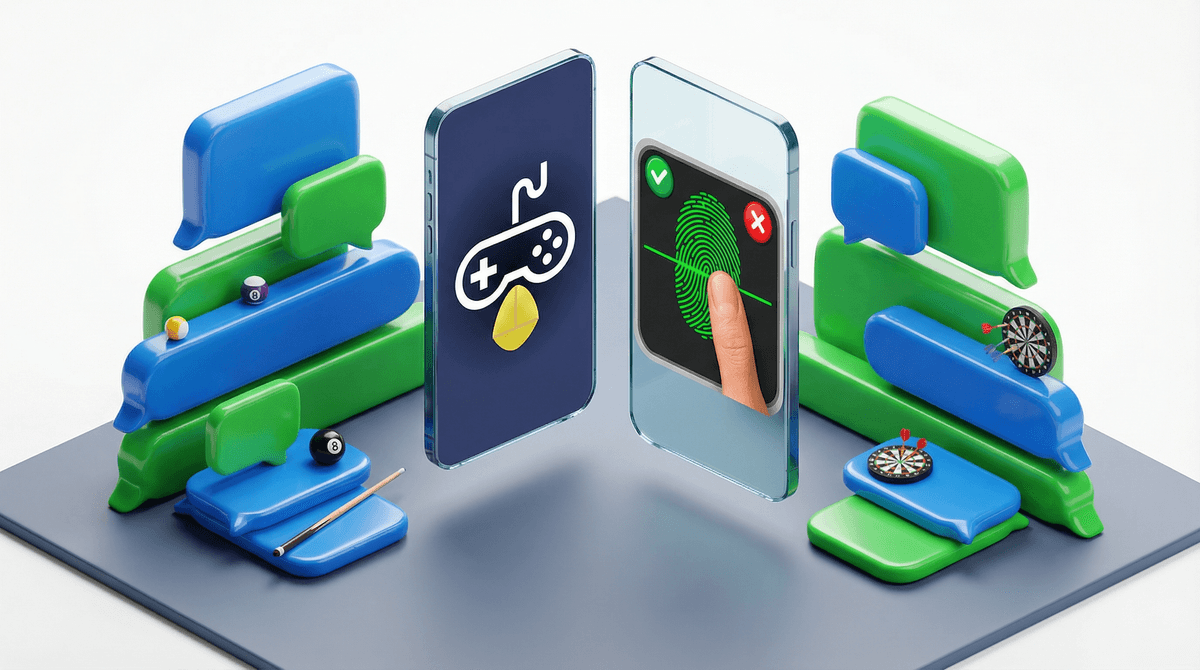
iMessage games are multiplayer games built right into Apple's Messages app—no separate download needed (well, mostly). The most popular by far is GamePigeon, a free app that adds a collection of classic games like 8-Ball Pool, Darts, Cup Pong, Battleship, and more directly into your text conversations. You play a turn, it sends to your friend, they play their turn, and so on.
It's honestly genius from a design perspective: gaming meets the communication channel kids are already glued to. And from a parent perspective? It's one of the more harmless ways kids are using their phones. But like everything digital, there's nuance worth understanding.
Screenwise Parents
See allThey're social without being "social media." Kids get to interact with friends through gameplay without the performance anxiety of Instagram or the chaos of group Snapchat streaks. It's asynchronous—you can take your turn when you want—but still feels connected.
They're accessible. If you have an iPhone (and let's be real, most middle schoolers do), you can play. No gaming console, no PC, no expensive hardware. Just you, your friend, and a game of 8-Ball that's been going on for three days because nobody wants to lose.
They're low-stakes competitive. These aren't intense, hours-long gaming sessions. They're quick hits of fun that feel manageable. A round of Darts takes two minutes. It's the digital equivalent of passing notes in class—except the notes are competitive mini-games.
GamePigeon (Ages 9+)
This is the big one. GamePigeon includes over 20 games:
- 8-Ball Pool - The most popular. Classic pool, easy to learn, weirdly addictive.
- Cup Pong - Beer pong without the beer. Parents, it's just a physics game.
- Darts - Simple, quick, satisfying.
- Battleship - The classic strategy game you played as a kid.
- Gomoku - Connect-five strategy game that's actually pretty brain-engaging.
- Word Hunt - Basically Boggle. Great for vocabulary.
- Anagrams - Scrabble-style word building.
- Basketball - Flick shots into a hoop.
- Mini Golf - Exactly what it sounds like.
The good: Most games are genuinely fun, not predatory, and encourage turn-taking and strategic thinking. The competitive element is friendly. There are word games and strategy games mixed in with the casual stuff.
The watch-outs: GamePigeon does have in-app purchases for additional game packs and to remove ads. The free version has ads between games—not terrible, but worth knowing. Also, some games (like Cup Pong) might raise eyebrows if you're strongly opposed to any reference to drinking culture, even sanitized ones.
Wordle-Style Games
Since Wordle exploded, there are now iMessage-compatible versions where you can challenge friends. It's the same concept—guess the word in six tries—but social.
Ages 10+ depending on vocabulary level. These are great for kids who like word puzzles and a daily challenge ritual with friends.
Truth Truth Lie
This one's part game, part conversation starter. Players submit three statements (two truths, one lie) and others guess which is the lie.
Ages 12+ because it requires some social maturity and self-awareness. It can be a fun way for kids to share things about themselves, but also watch for oversharing or pressure to reveal things they're not comfortable with.
Trivia and Quiz Games
There are several trivia apps that integrate with iMessage—general knowledge questions, pop culture, etc.
Ages 10+ generally. These can be genuinely educational and a nice break from the usual gaming fare.
The Group Chat Factor
iMessage games often happen in group chats, not just one-on-one. This is where things can get socially complicated. Who's included? Who's left out? Is there a game going on in a chat your kid isn't part of? The game itself might be harmless, but the social dynamics around group messaging are real.
Talk to your kid about: How it feels to be left out, how they decide who to include, and what to do if a group chat turns mean or exclusive.
Screen Time That Doesn't Feel Like Screen Time
Because these games are woven into texting, they can rack up screen time without your kid (or you) really noticing. "I'm just texting friends!" is technically true, but if that texting involves 45 minutes of 8-Ball Pool, it's still 45 minutes on the phone.
Consider: Setting boundaries around gaming-while-texting the same way you would other screen time. A game of Darts is fine; an all-evening Cup Pong tournament might need limits.
The Competitive Element
Some kids thrive on competition. Others get genuinely upset when they lose. Pay attention to how your kid handles wins and losses in these games—it's actually decent practice for real-world emotional regulation.
If your kid is rage-quitting games or getting genuinely distressed, it's worth a conversation about why games matter so much and how to keep it fun.
Messaging Safety Still Applies
Just because it's a game doesn't mean the usual messaging safety rules don't apply. Your kid should still only be playing with people they actually know, not strangers. And all the conversations around appropriate communication, screenshots, and digital permanence still matter.
If you haven't already, learn about iMessage safety settings and make sure you've got appropriate guardrails in place.
Ages 8-10: GamePigeon's simpler games (Darts, Basketball, Mini Golf) with close friends or family members. Keep it to people they know in real life. Monitor group chat participation closely.
Ages 11-13: Most GamePigeon games are fair game. This is peak iMessage gaming age. Watch for social dynamics and time spent. Encourage word games and strategy games alongside the casual stuff.
Ages 14+: They're probably fine to navigate this independently, but stay aware of how much time is going to gaming-via-text and check in about group chat drama.
iMessage games, especially GamePigeon, are pretty benign as far as digital entertainment goes. They're social, mostly skill-based, and not designed to be addictive in the way many mobile games are. They're also a legitimate way kids connect with friends—and honestly, a game of Battleship over text is a lot healthier than doomscrolling TikTok.
That said, they're still screen time, they still happen in the complex social world of group messaging, and they still require some parental awareness.
The move: Let your kid play, but keep the usual messaging boundaries in place. Check in occasionally about who they're playing with and how the games make them feel. And maybe challenge them to a game of 8-Ball yourself—it's a low-stakes way to stay connected to their digital world.
If you want to explore other ways kids are gaming socially, check out Minecraft or Roblox—both have their own social dynamics worth understanding.