

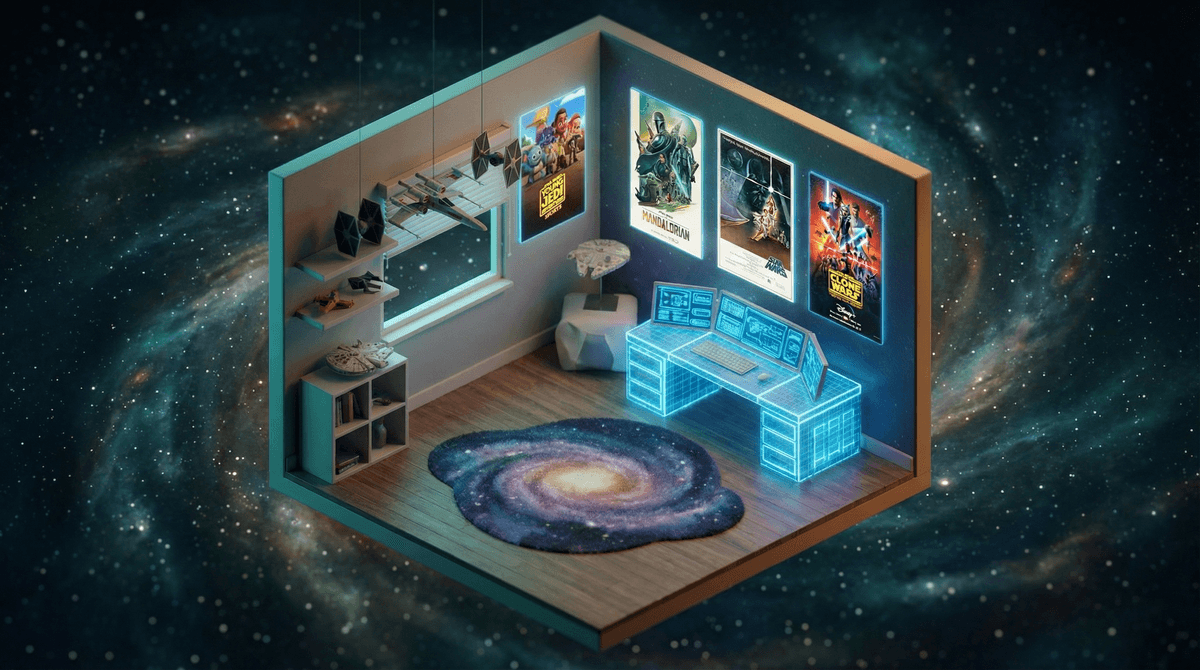
Okay, so your kid is suddenly obsessed with lightsabers, keeps making "pew pew" sounds, and refers to you as "Padawan." Welcome to the Star Wars universe – a sprawling galaxy far, far away that's been capturing imaginations since 1977.
Here's the thing: Star Wars isn't just nine movies anymore (though that's confusing enough). It's become this massive multimedia empire spanning films, TV shows, books, comics, games, toys, and yes, endless YouTube content. We're talking about The Mandalorian, Ahsoka, Andor, LEGO Star Wars games, Star Wars Battlefront, Star Wars: Galaxy of Heroes, and literally hundreds of books and comics.
The core story? A classic good vs. evil space opera about Jedi knights, Sith lords, rebels fighting an evil Empire, and the mystical "Force" that binds everything together. Think wizards in space with laser swords, family drama spanning generations, and some surprisingly deep philosophical questions about power, redemption, and destiny.
Star Wars hits different developmental sweet spots depending on age. Elementary schoolers love the action, creatures, and clear good-vs-bad dynamics. There's something deeply satisfying about lightsaber battles and knowing exactly who to root for.
Middle schoolers start connecting with the deeper themes – the chosen one narrative, finding your place in something bigger than yourself, and yes, the angst. (Anakin Skywalker is basically the galaxy's most dramatic teenager.)
Teens often appreciate the more complex shows like Andor, which explores rebellion, sacrifice, and moral ambiguity in ways that feel surprisingly mature and relevant.
Plus, Star Wars is multi-generational. If you watched the original trilogy as a kid, you're sharing something genuinely meaningful with your children. That's powerful stuff in our fragmented media landscape where you probably don't know what "Skibidi" means but your 8-year-old definitely does.
The fandom aspect is huge too. Kids love collecting, categorizing, and mastering complex lore. Star Wars provides an almost endless universe to explore, debate, and obsess over. Want to understand the difference between canon and Legends? Your kid probably can explain it better than most Wikipedia articles.
Here's where it gets tricky: not all Star Wars is created equal.
Ages 4-7: The Gateway Content
- Star Wars: Young Jedi Adventures – Specifically designed for preschoolers
- LEGO Star Wars shows and games – Humor and action without the intensity
- Select scenes from original trilogy – Maybe skip the part where Luke finds his aunt and uncle's charred remains
Ages 8-12: The Sweet Spot
- The Mandalorian – Some violence but mostly bloodless; Baby Yoda is the ultimate draw (PG-13)
- Star Wars: The Clone Wars animated series – Gets darker as it progresses (TV-PG)
- Original and prequel trilogies – Though be ready for conversations about Anakin's fall and Order 66
- LEGO Star Wars: The Skywalker Saga game – Fantastic entry point
Ages 13+: The Deep Dive
Real talk: The original Star Wars: A New Hope is rated PG but has some intense moments. The Empire Strikes Back includes torture scenes. Revenge of the Sith shows children being killed (off-screen but heavily implied). You know your kid's sensitivity level better than any rating system.
The merchandise trap is real. Star Wars is a merchandising juggernaut. Between LEGO sets, action figures, lightsabers, costumes, and games, you could easily spend thousands. Set expectations early about what's reasonable for your family.
Screen time can spiral. Once kids discover there are literally hundreds of hours of Star Wars content across Disney+, YouTube theory videos, and games, it's easy for this to consume all their free time. The same rules that apply to Minecraft or Roblox apply here – balance is key.
The fandom has... layers. Online Star Wars communities can be wonderful spaces for connection and creativity. They can also be toxic, especially around newer content. If your tween is engaging with Star Wars fandom online, check in about what they're seeing. The discourse around sequel trilogy characters got genuinely ugly in ways that exposed kids to harassment and hate.
Educational opportunities abound. Star Wars touches on philosophy, mythology, history (the Empire is literally based on Nazi Germany), physics (even if it's mostly wrong), and storytelling structure. Lean into those conversations. Why does Anakin fall to the dark side? is actually a fascinating discussion about choice, fear, and consequences.
Gaming considerations: Many Star Wars games include in-app purchases. Star Wars: Galaxy of Heroes is essentially a gacha game with aggressive monetization. Jedi: Fallen Order and Jedi: Survivor are single-player adventures without microtransactions but rated T for Teen with good reason – they're challenging and intense.
Star Wars can be a genuinely enriching part of childhood. It's mythology for modern kids, teaching lessons about heroism, redemption, and standing up against tyranny. The multi-generational appeal means you can actually enjoy this together, which is increasingly rare.
But like everything in our kids' digital lives, it requires intentionality. Not all Star Wars content is appropriate for all ages. The merchandising pressure is intense. The time investment can be enormous. And the online fandom spaces need monitoring.
Start with a family movie night watching A New Hope together. See if it clicks for your kid.
Set clear boundaries about screen time and spending before diving deep into the universe.
Use it as a gateway to conversations about bigger themes – what does it mean to be tempted by power? When is violence justified? What does it mean to have hope when things seem dark?
Consider the LEGO games as a low-stakes entry point that combines gaming with Star Wars in age-appropriate ways.
And remember: if your kid wants to be a Jedi for Halloween three years running, that's actually pretty normal. May the Force be with you – you're going to need it when they start asking for a $300 lightsaber.