

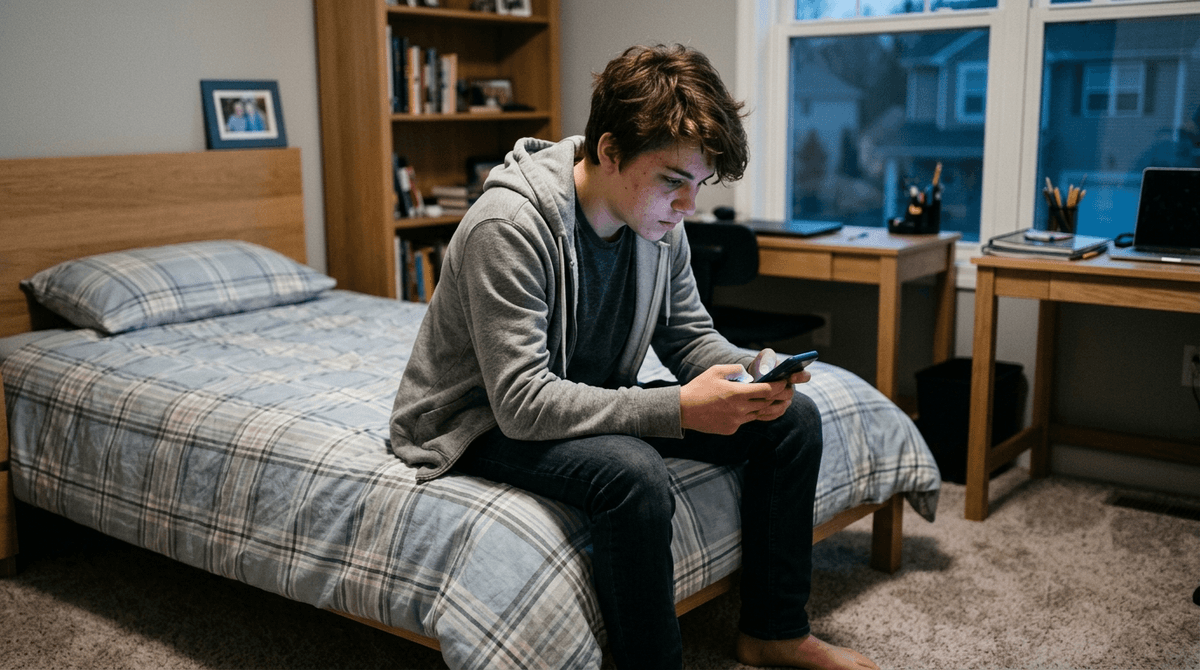

Heavy screen use in young children directly correlates with higher rates of ADHD symptoms, mood struggles, and sleep disruptions. Keeping daily exposure within established guidelines acts as a crucial line of defense for emotional health before age 12.
Higher screen time consistently increases risks for ADHD, depression, behavioral issues, and disrupted sleep in children under 12.
Behavioral outbursts, attention deficits, and chronic sleep struggles often stem directly from media overload rather than unchangeable personality traits. Reducing daily screen hours gives kids immediate breathing room to build emotional regulation and social focus.
Childhood device ownership and media consumption have escalated rapidly over the past decade, leaving clinicians and families scrambling to understand how early digital exposure affects long-term mental health. Researchers systematically evaluated 52 global studies to map out the clearest behavioral risks associated with screen exposure in early life.
Across 52 global studies published between 2013 and 2026, higher screen exposure repeatedly tracked with poorer mental health outcomes in children from birth to age 12.
- Attention and conduct: 19 studies linked screens to ADHD symptoms, while 13 tied high exposure to aggression, conduct issues, and oppositional defiant disorder.
- Mood and self-esteem: 11 studies documented higher rates of depression, 9 found elevated anxiety, and several linked high screen hours to lower self-esteem and social difficulties.
- Restless nights: Sleep disturbances appeared consistently across the literature as a primary physical side effect of heavy screen use.
Screens do double damage by presenting highly stimulating content while squeezing out essential offline development. A kid spending hours in front of a screen is missing out on running outside, practicing face-to-face conflict resolution, and letting their nervous system settle down for sleep.
Most of the 52 analyzed studies relied on parental memory and observational data rather than automated screen-tracking software. This means the evidence shows a clear link between screen use and mental health struggles, but it cannot prove screens directly cause them—distressed or highly active children may simply seek out devices more often.
- If your child is showing increased aggression or hyperactivity, trim daily screen time back toward recommended limits—under 1 hour for ages 2–5, and under 2 hours for ages 5–12—to rule out digital overload as a behavioral trigger.
- If bedtime has turned into a nightly battle with frequent wake-ups, set a strict "screens-off" boundary at least 60 minutes before lights out to allow sleep hormones to kick in naturally.
- If your child exhibits low mood, anxiety, or social withdrawal, replace daily device sessions with structured physical play or group activities that encourage real-world connection.
Trimming screen hours is a high-leverage move for protecting your child's focus, mood, and sleep quality. Sticking close to recommended daily limits gives young kids the head space and rest they need to thrive.
Santos RMS, Ventura SA, Gonçalves MEOA et al. (2026). The associations between screen time and mental health in children aged 0-12: A systematic review. Journal of child and adolescent mental health. doi:10.2989/17280583.2026.2661687 — pubmed.ncbi.nlm.nih.gov