

Roblox Roleplay Based on Stranger Things: A Parent's Guide
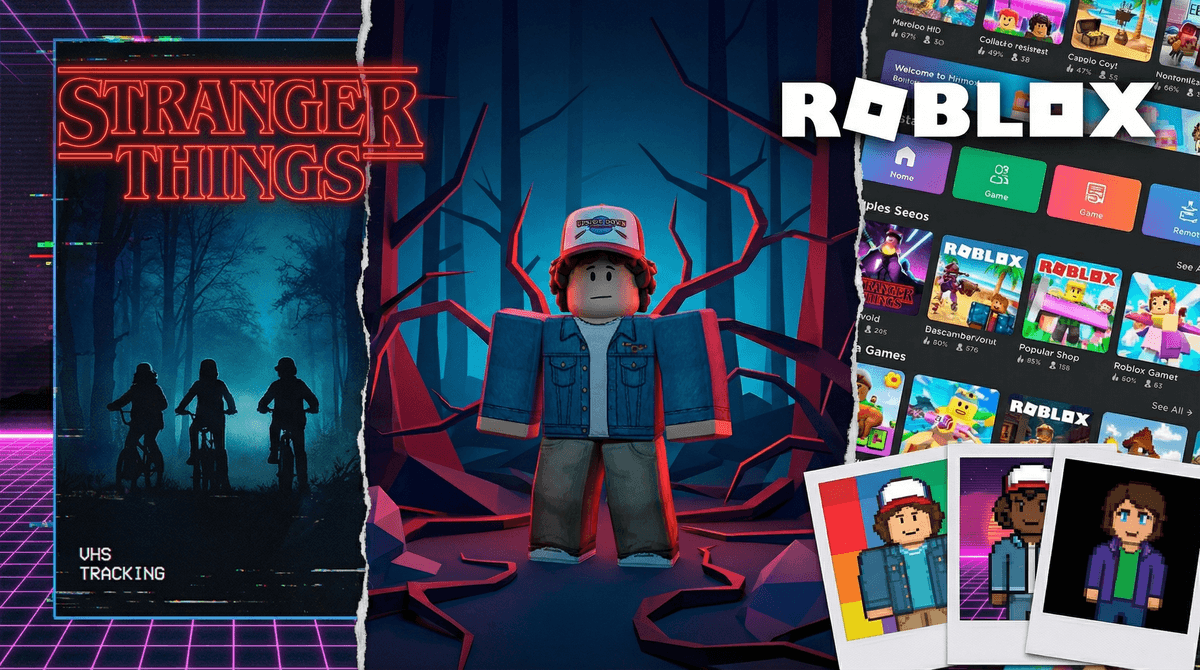
Kids are recreating scenes from the TV-MA rated Stranger Things inside Roblox, complete with Demogorgons, the Upside Down, and plenty of '80s nostalgia. While the show itself isn't appropriate for most elementary schoolers, these Roblox experiences are often significantly toned down—think more "spooky adventure" than "actual horror." But there's still stuff you need to know, especially if your kid hasn't watched the show or if you're wondering why your 8-year-old is suddenly obsessed with a series rated for mature audiences.
Quick alternatives if you're looking for age-appropriate spooky fun: Phasmophobia (ages 12+), Luigi's Mansion 3 (ages 8+), or check out our guide to kid-friendly horror games.
Stranger Things is Netflix's wildly popular sci-fi horror series about kids in the 1980s battling supernatural forces in their small town of Hawkins, Indiana. The show features government conspiracies, parallel dimensions, terrifying monsters, and a whole lot of nostalgic '80s vibes. It's rated TV-MA for good reason—there's violence, gore, some language, and genuinely scary moments.
Inside Roblox, the user-generated gaming platform where kids can create and play millions of experiences, there are dozens of Stranger Things-themed worlds. These range from direct recreations of Hawkins and the Upside Down to roleplay servers where kids act out their own storylines in the show's universe. Some are more like escape rooms or adventure games, while others are full-on roleplay experiences where kids create characters and improvise storylines together.
The most popular ones typically include:
- Exploring recreated locations from the show (Hawkins Lab, the Byers' house, Starcourt Mall)
- Fighting monsters (Demogorgons, Mind Flayer creatures)
- Collecting items and solving puzzles
- Social roleplay where kids take on character roles or create their own
The appeal is pretty straightforward: Stranger Things has become a cultural phenomenon that extends way beyond its intended mature audience. Kids see the merchandise at Target, hear about it from older siblings, catch glimpses of the iconic imagery (Eleven's nosebleeds, the Demogorgon's face, the retro aesthetic), and want in on the cultural moment.
Roblox gives them a way to participate in this world without actually watching the show. It's similar to how kids in the '90s knew all about Freddy Krueger and Jason Voorhees despite never seeing those R-rated movies—pop culture osmosis is real, and kids want to be part of what's cool.
The roleplay aspect adds another layer. Kids love creating narratives, adopting personas, and collaborating on stories. A Stranger Things roleplay server gives them a ready-made universe with established lore, recognizable locations, and dramatic possibilities. They can be the hero who saves Hawkins, the scientist who experiments with powers, or just a kid trying to survive in a weird, dangerous world.
Here's where it gets tricky: the actual Stranger Things show is absolutely not appropriate for most elementary-aged kids. We're talking graphic violence, body horror, characters dying in disturbing ways, intense psychological trauma, and genuinely frightening scenes. The Duffer Brothers (the show's creators) have said they designed it to feel like an R-rated movie stretched into a series.
But the Roblox versions? They're typically much more sanitized. Roblox has content moderation policies that prohibit excessive violence and gore, so even if a creator wanted to recreate the show's most disturbing moments, they'd get moderated. What you end up with is usually:
- Blocky, cartoonish graphics that remove the visceral horror
- Combat that's more "tag, you're caught" than actual violence
- Storylines focused on adventure and mystery rather than psychological terror
- Social dynamics and roleplay that kids control themselves
That said, the thematic elements are still there. Kids are still playing in a world where:
- Characters are in danger from monsters and government conspiracies
- The premise involves child experimentation and supernatural abilities
- There's an underlying darkness even if it's presented in a PG way
The Age Question
Most kids playing these Roblox experiences are between 8-13 years old. That's significantly younger than the show's intended audience (realistically 14+, though plenty of teenagers find it too intense).
If your kid is playing these games but hasn't watched the show, they're probably getting a watered-down version of the story through:
- What other players tell them
- YouTube videos and TikToks about the show
- General cultural knowledge
- The game environments themselves
This isn't necessarily bad! They're engaging with a narrative universe in an age-appropriate format. But it does mean they might start asking to watch the actual show, which requires a conversation about why the game is okay but the show isn't (yet).
The Social Dynamics
Roleplay servers are inherently social. Your kid is interacting with other players, many of whom are strangers. This means all the usual Roblox safety concerns apply:
- Chat features (text and sometimes voice)
- Potential for inappropriate behavior from other players
- The need for privacy settings and parental controls
- Understanding that not everyone online is who they say they are
The roleplay format can actually amplify some risks because kids are encouraged to be "in character," which might make them more vulnerable to manipulation or uncomfortable situations. A player who's "roleplaying as a scientist" might ask your kid to do things that feel weird or boundary-crossing.
The Robux Factor
Many of these experiences are free to play, but they often include Robux purchases for:
- VIP servers (private instances where kids can play with just their friends)
- Special abilities or powers
- Cosmetic items (outfits, accessories)
- Game passes that unlock additional content
If you haven't already had the Robux conversation , these Stranger Things games might be what prompts it. Kids will see other players with cool powers or exclusive items and want them too.
Quality Varies Wildly
Not all Stranger Things experiences in Roblox are created equal. Some are genuinely well-designed games with puzzles, storylines, and engaging gameplay. Others are hastily thrown together cash grabs with minimal content and maximum monetization.
The most popular ones tend to be better quality simply because they've been refined based on player feedback, but popularity doesn't guarantee appropriateness or value.
Ages 7-9: These games are probably fine with supervision, but watch for:
- Whether the scary elements are actually frightening your kid (some kids love spooky stuff, others get nightmares)
- How much they understand about the source material and whether it's sparking interest in the actual show
- Who they're interacting with in the game
- Consider playing together or watching them play so you can see what's happening
Ages 10-12: This is the sweet spot for these experiences. Kids are old enough to handle the mild spookiness, understand the narrative concepts, and navigate the social dynamics with some guidance. Still important to:
- Keep Roblox parental controls active
- Have regular check-ins about who they're playing with
- Set boundaries around Robux spending
- Talk about the difference between the game and the show
Ages 13+: At this age, the Roblox versions might actually feel too tame compared to the actual show. If your teen is interested in Stranger Things, this might be the time to consider whether they're ready for the real thing. The Roblox games can serve as a good conversation starter: "I see you're really into this universe—let's talk about whether you're ready to watch the show, and what that would look like."
If your kid is already playing these games, here are some conversation starters:
"Tell me about this game. What do you do in it?" Let them explain the mechanics, the storyline, what they enjoy. This gives you insight into what's actually happening and shows you're interested rather than immediately critical.
"Do you know what Stranger Things is? Have you seen the show?" Find out what they actually know about the source material. If they haven't watched it, ask where they learned about it and what they understand the story to be.
"Who are you playing with? Are they people you know or people you've met in the game?" This opens the door to the online safety conversation without being accusatory.
"What's the scariest part of the game? Is anything too scary?" Kids often won't volunteer that something bothers them, but if you ask directly, they might tell you. This also helps you gauge whether the content is appropriate for their sensitivity level.
"I noticed there are things you can buy in the game. Let's talk about how we handle that." Better to be proactive about the money conversation than to get surprised by a credit card charge.
If you're looking for games that scratch the same itch—spooky adventure, mystery-solving, cooperative play—but without the connection to a mature-rated show:
For the mystery/adventure angle:
- Nancy Drew games (ages 10+)
- Professor Layton series (ages 8+)
- Escape room games on Roblox (ages 8+)
For the spooky-but-not-too-scary vibe:
- Luigi's Mansion 3 (ages 8+)
- Costume Quest (ages 8+)
- Gravity Falls (the show, ages 8+) which has similar small-town supernatural mystery vibes
For cooperative roleplay without the mature themes:
- Animal Jam (ages 6+)
- Club Penguin alternatives (ages 6+)
- Other Roblox roleplay games focused on everyday life rather than horror
Stranger Things roleplay in Roblox sits in an interesting gray area. It's kids engaging with a mature-rated property through a significantly sanitized medium. The games themselves are generally fine for the 8-12 crowd—they're spooky adventure games with social elements, not horror experiences. But they do come with the usual Roblox concerns around online safety, spending, and content moderation.
The bigger question is whether you're comfortable with your kid participating in this particular cultural universe at all. Some parents are fine with the Roblox version while maintaining that the actual show is off-limits. Others prefer to steer kids toward age-appropriate properties from the start. There's no wrong answer—it depends on your kid's maturity, sensitivity to scary content, and your family's values around media.
What matters most is that you're paying attention, having conversations, and making intentional choices rather than just letting it happen in the background. If your kid is playing these games, you should know about it, understand what they're experiencing, and use it as an opportunity to talk about online safety, media literacy, and why some content is designed for different age groups.
-
Check what they're actually playing: Open Roblox and look at their recently played games. Search for "Stranger Things" and see what comes up. Better yet, play for 15 minutes yourself to see what it's really like.
-
Review your Roblox parental controls: Make sure chat restrictions are appropriate for your kid's age, spending limits are set, and you have visibility into their activity.
-
Have the conversation: Use the questions above to open a dialogue about what they're playing and why they like it.
-
Set clear boundaries: Whether that's about spending, time limits, who they can play with, or what content is off-limits, make sure everyone understands the rules.
-
Stay curious: Digital culture moves fast. What's popular this month might be completely different next month. The key is maintaining an ongoing conversation rather than having one big talk and assuming you're done.
And if you need more help navigating any of this, ask the Screenwise chatbot—it's literally designed for these exact questions.