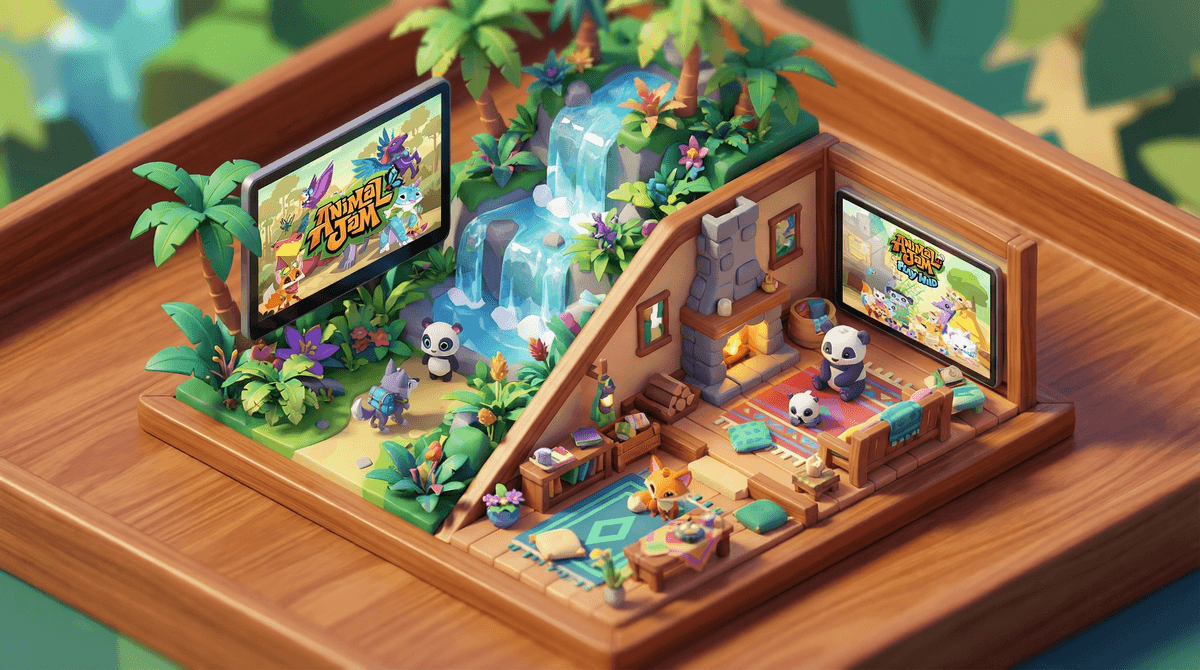
Animal Jam had promise—National Geographic! Educational animal content! Free online world!—but in practice it's become a cautionary tale about what happens when you mix kids, virtual economies, and insufficient moderation.
The core issue isn't the game design itself, which is fine if unremarkable. It's that the community has devolved into a scammer's paradise where kids obsess over 'rare' items and routinely trick younger players out of their virtual goods. Parent reviews from 2014 through 2025 consistently report bullying, manipulation, and a pay-to-win culture that contradicts the 'free to play' promise.
The educational content exists but gets drowned out by the toxic social dynamics. Kids aren't learning about ecosystems—they're learning how to run cons on second graders. Unless you're prepared to sit with your kid and actively supervise every session (and honestly, why would you?), there are far better options for online play that don't require deprogramming your child from virtual pyramid schemes.
Pass on this one. The National Geographic logo can't save it.
Age Fit
Marketed to elementary-age kids (roughly 6-10), but the toxic social dynamics and scamming culture make it questionable for any age without very close supervision. Kids under 8 are particularly vulnerable to manipulation tactics.
WISE Breakdown
Wholesome
45
National Geographic branding suggests educational intent, but parent reviews consistently report toxic community behavior, bullying, scamming culture around 'rare' items, and manipulation tactics. The game creates unhealthy obsessions with virtual trading that undermine cooperative play.
Imaginative
68
RPG mechanics allow kids to create animal avatars and explore virtual worlds with some creative expression. The National Geographic tie-in adds educational animal facts. However, the core gameplay loop centers on item collection and trading rather than deep creative building or storytelling.
Safe
38
Multiple parent reviews cite serious security issues, aggressive pay-to-play model despite being marketed as free, and a toxic community. Kids report scamming, bullying, and manipulation around item trades. Users interact online with strangers, creating exposure risks. The game has been around since 2010 but safety concerns persist in recent reviews.
Enriching
52
National Geographic partnership provides some educational animal content and facts. However, the dominant gameplay teaches transactional thinking—kids focus on accumulating 'rare' items and making trades rather than meaningful learning. The social dynamics skew toward manipulation rather than cooperation or empathy building.
Parent Info
✓
Why It Might Be Great
National Geographic partnership provides real animal facts and educational content woven into gameplay
Free to play with no required purchases to access the core game
Kids can create and customize animal avatars in a colorful virtual world
RPG elements allow for some exploration and creative expression
⚠
What to Watch For
Toxic trading culture—kids become obsessed with 'rare' items and frequently scam younger players
Bullying and manipulation are rampant according to parent reviews spanning multiple years
Heavy pressure to pay for membership despite being marketed as free
Online interactions with strangers create safety risks even with stated moderation
Game mechanics teach transactional thinking over cooperation or kindness
Conversation Starters
"If someone offers to trade you a 'rare' item, how can you tell if they're being honest or trying to trick you?"
"What's the coolest animal fact you learned in the game today?"
"Have you seen anyone being mean or unfair to other players? What did you do?"
"Why do you think some kids care so much about having rare items in games?"