

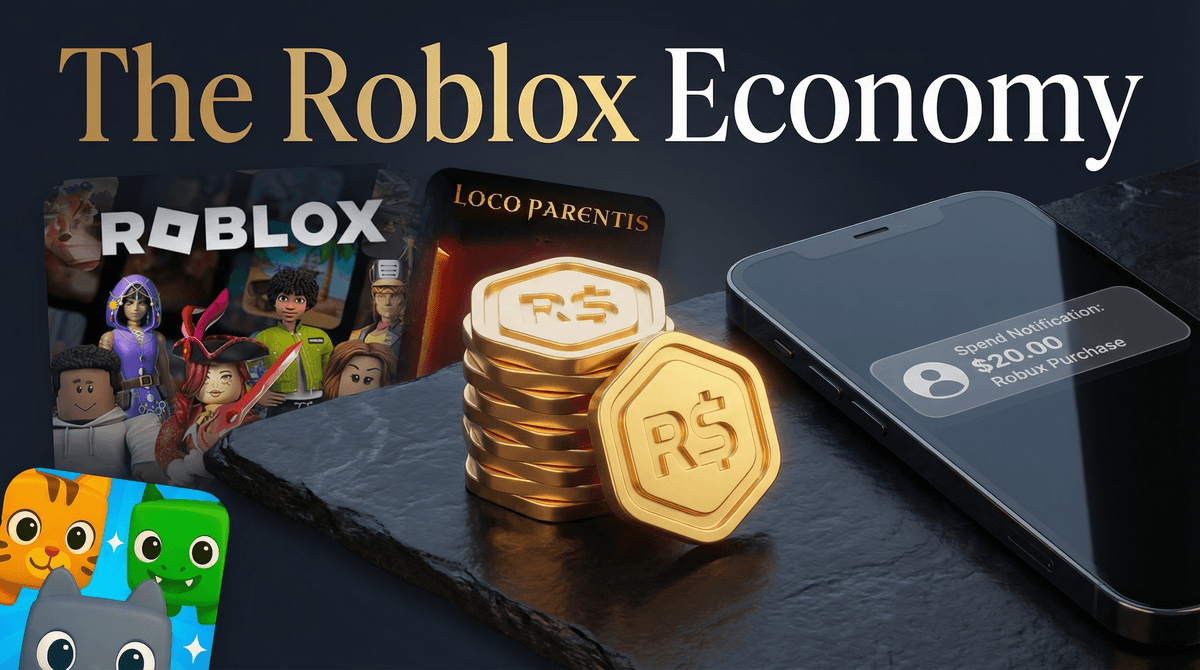
TL;DR: Roblox is less of a "game" and more of a digital mall/casino/social club where Robux is the only valid currency. While it offers a glimpse into digital entrepreneurship, the platform is heavily designed around "dark patterns" that encourage kids to spend real money for social status. If you're tired of the "Can I have 400 Robux?" requests, you need to understand the math, the social pressure, and the safety settings.
Quick Links for Context:
Robux is the virtual currency used across the entire Roblox ecosystem. You can’t earn a meaningful amount of it just by playing; you almost always have to buy it with real-world money via credit card, gift cards, or app store credit.
The math is intentionally slightly confusing (a classic "obfuscation" tactic in digital design), but generally:
- $4.99 USD gets you about 400 Robux.
- $9.99 USD gets you about 800 Robux.
- $19.99 USD gets you about 1,700 Robux.
When a kid asks for a "cheap" 800 Robux, they are asking for ten bucks. Because the currency is abstracted into shiny gold hexagons, kids (and many adults) lose the "pain of paying." Spending 100 Robux on a digital hat feels like nothing; spending $1.25 on a digital hat feels like a waste. That’s the point.
Learn more about the psychology of virtual currencies
If you think your child wants Robux just to "win" a game, you’re missing the bigger picture. In Roblox, Robux equals status.
The "Noob" Problem
In the world of Roblox, a "noob" isn't just someone who is bad at the game; it’s someone who wears the default, free avatar skin. There is a massive amount of social pressure—bordering on bullying in some circles—to look "cool." Buying "UGC" (User Generated Content) like trendy clothes, hair, or accessories is how kids signal they belong.
Pay-to-Win Mechanics
In many of the most popular games like Pet Simulator 99 or Blox Fruits, the gameplay is intentionally "grindy" (slow and repetitive) unless you buy "Game Passes." These are one-time Robux purchases that give you superpowers, faster leveling, or exclusive items.
The Gambling Element
This is where we stop being "informed friends" and start being "concerned advocates." Many Roblox games use Loot Boxes (often called "Eggs" or "Crates"). A child spends Robux for a chance to get a "Legendary" pet or item. The odds are often dismal—sometimes less than 1%. This is, for all intents and purposes, child gambling. It triggers the same dopamine loops as a slot machine.
You’ll often hear the argument that Roblox is great because it teaches kids to code in Lua and build their own businesses.
The Reality Check: Yes, a tiny fraction of creators make millions. And yes, learning to use Roblox Studio is a legitimate skill. However, the "Roblox Economy" is heavily weighted in favor of the platform.
Roblox Corp takes a massive cut (around 70% in many cases) of every transaction. To actually turn Robux back into real USD (a process called "DevEx"), a creator needs at least 30,000 earned Robux and a monthly subscription. For the average 10-year-old making "shirts" for their friends, they are essentially providing free labor to a multi-billion dollar corporation in exchange for "company scrip" they can only spend back in the store.
If your kid is genuinely interested in the "making" side, encourage them! But treat it as a hobby, not a summer job.
Check out our guide on teaching kids about digital entrepreneurship
Not all Roblox games are created equal. Some are creative masterpieces; others are "cash grabs."
The behemoth of the platform. While it looks cute, the economy is based on trading "Legendary" pets. The pressure to spend Robux on "potions" or "eggs" to keep up with friends is intense.
This game is a masterclass in psychological triggers. It uses flashing lights, "huge" pets with tiny drop rates, and constant prompts to spend Robux. It is the definition of "brain rot" monetization.
Recently became free-to-play. It’s a life-sim (like The Sims) that requires "money" to build houses. While it’s more creative, the "work" in the game is boring, which tempts kids to just buy "B$ " (Bloxburg cash) with Robux to skip the grind.
How you handle Robux depends on your kid's age and impulse control:
- Ages 6-9: Total lockdown. Do not have a credit card saved to the device. If they want Robux, use physical gift cards. This creates a hard "ceiling" on spending. Once the card is gone, it's gone.
- Ages 10-12: The "Commission" Phase. This is a great time to introduce a digital allowance. If they get $5 a week, they can choose to spend it on Roblox or save it for a physical Lego set. Let them feel the "opportunity cost" of their decisions.
- Ages 13+: Transparency. Show them the "DevEx" rates. Explain how the platform takes a cut. Talk about "sunk cost fallacy"—the feeling that they have to keep playing because they’ve already spent $50 on it.
If your kid is on Roblox, you need to do these three things today:
- Add a Parent PIN: Go to Settings > Parental Controls. This prevents your child from changing the settings you put in place.
- Toggle "Monthly Spending Restriction": You can now set a literal dollar limit (e.g., $0 or $10) on how much can be spent per month.
- Turn on "Spend Notifications": You’ll get an email every time a purchase is made.
See our full guide on setting up Roblox parental controls
If the Roblox drama is too much, these options offer creativity without the constant "gimme money" prompts:
- Minecraft: You buy it once. If you play on a private server or local world, there are zero microtransactions. It’s the gold standard for "intentional" gaming.
- Scratch: If they want to "make games," send them here. It’s free, educational (MIT developed it), and there is no "money" involved.
- Toca Life World: For younger kids who like the "roleplay" aspect of Roblox. You buy content packs, but there’s no social pressure or "gambling" for rare items.
- Hytale: (Upcoming) Keep an eye on this one; it’s being built as a more modern, potentially safer competitor to the block-building genre.
Instead of just saying "No more Robux," try to understand the "why."
Ask your child:
- "What do you want to buy with those Robux? Is it for a power-up or a look?"
- "Do you feel like you have to have that item to keep playing with your friends?"
- "If you spend your $10 allowance on this, and then a new game comes out tomorrow, will you be bummed you don't have money for it?"
Roblox isn't "evil," but it is a commercial product designed to maximize "LTV" (Lifetime Value) of a user—and that user is your child.
It can be a great place for creativity and social connection, but only if you are the "gatekeeper" of the wallet. Treat Robux like what it is: real money that you’ll never see again. If you wouldn't let your kid walk into a casino with a twenty-dollar bill, don't let them browse the Roblox catalog without a plan.
Get a script on how to talk to your kid about "Roblox Scams"
Next Steps:
- Check your child's Roblox "Transaction History" (it’s in the Robux menu) to see where the money is actually going.
- Set a "Monthly Spend Limit" in the Parental Controls.
- If they want to "earn" Robux, have them do a real-world chore. It connects the digital "magic money" back to real-world effort.