

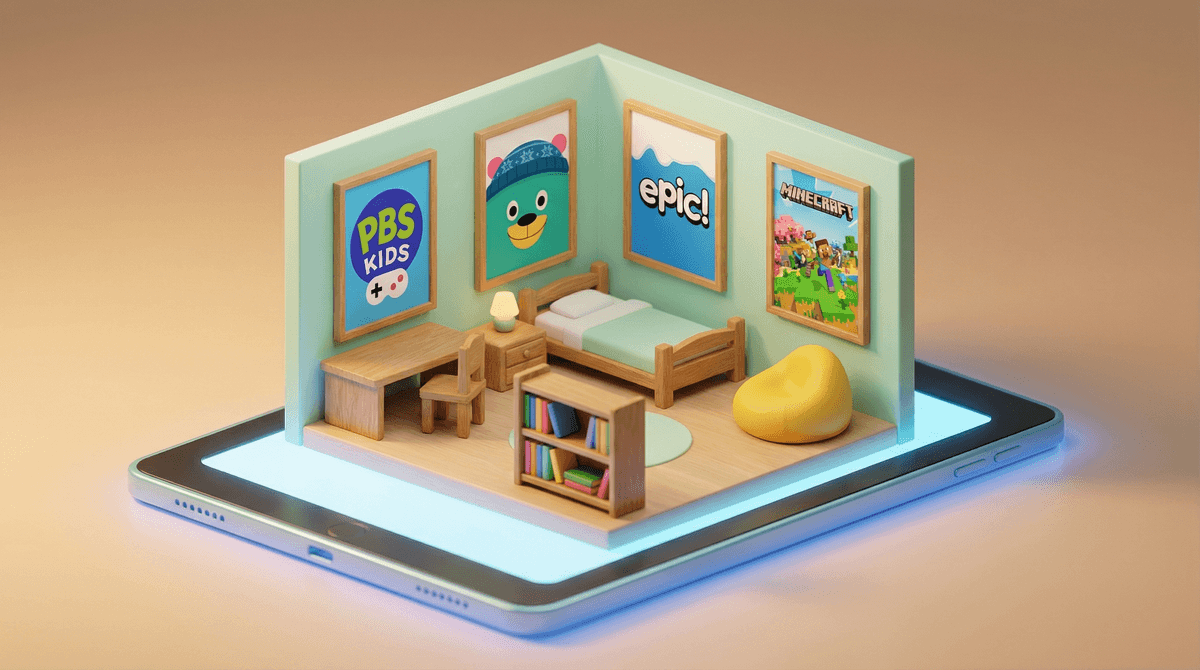
Here's the thing about tablets: there's no magic number where suddenly your kid is "ready." I wish there were! It would make this so much easier. But the real answer is frustratingly personal—it depends on your kid, your family's tech habits, and honestly, what you're hoping the tablet will do.
That said, let's get practical. Most experts (pediatricians, child development folks) suggest waiting until at least age 3-4 before introducing a personal tablet, and even then, we're talking supervised, limited use. The American Academy of Pediatrics recommends avoiding solo screen time for kids under 18 months (except video chatting with grandma, which honestly is adorable and doesn't count), and keeping it minimal and co-viewed until around age 5-6.
But here's where it gets real: by age 7-8, about 42% of kids have their own tablet. By age 10-12, that number jumps to around 67%. So if you're feeling the pressure, you're not imagining it.
Let's be honest about why tablets end up in our carts:
The good reasons:
- Educational apps and games that actually teach stuff (Khan Academy Kids is legitimately great)
- Long car trips where sanity > screen time rules
- Quiet time that isn't just more TV
- Learning to navigate technology responsibly
- Reading apps like Epic! that might actually get reluctant readers hooked
The real reasons:
- You need 30 minutes to make dinner without someone asking for a snack
- Their friends all have them
- You're tired of sharing your phone/iPad
- The backseat bickering is going to make you drive off a bridge
Both lists are valid! No judgment here. Digital parenting is survival, not a Pinterest board.
Here's how to think about tablets at different ages:
Ages 3-5: Co-Viewing Only
If you're introducing a tablet this early, you're basically the human parental control. Sit with them, interact with the content, talk about what they're seeing. Think of it like reading a book together, except the book is glowing and costs $300.
Best for: Educational apps, digital books, FaceTime with family
Time limit: 30-60 minutes max per day
Device: Probably your old iPad with restrictions locked down tight
Ages 6-8: Supervised Independence
This is when a "kids tablet" like an Amazon Fire Kids Edition starts making sense. They can use it somewhat independently, but you're still very much in control of what's on there and how long they use it.
Best for: PBS Kids, Minecraft (creative mode), audiobooks, drawing apps
Time limit: 60-90 minutes on non-school days
Device: Amazon Fire Kids or iPad with parental controls
Ages 9-12: Earned Trust with Guardrails
By this age, a tablet can actually be useful for homework, creative projects, and yes, some entertainment. But this is also when things get trickier—YouTube, Roblox, messaging apps, and the whole internet are suddenly very appealing.
Best for: Research, creative apps like GarageBand, age-appropriate games, staying connected with family
Time limit: 2 hours on weekends, less on school days (and not all at once)
Device: Standard iPad or Android tablet with robust parental controls
Get a tablet with actual parental controls. Amazon Fire Kids tablets come with a year of Amazon Kids+, which is honestly pretty decent for younger kids. iPads have Screen Time built in. Don't rely on pinky promises.
Think about content first, device second. What will they actually do on it? If it's mostly educational apps and Netflix, a basic Fire tablet works fine. If they're getting into creative stuff or need it for school, invest in something with more power.
The tablet is not a babysitter. I mean, it can be occasionally (see: making dinner, surviving flights), but it shouldn't be the default entertainment solution. If you're buying a tablet to replace actual parenting, it's going to create more problems than it solves.
Set the rules BEFORE you hand it over. Where can it be used? When? What happens if they break the rules? What apps are okay? Get clear on this stuff up front. Here's how to set up good tablet boundaries.
Charging stations should be in common areas. Tablets don't go to bedrooms at night. This is non-negotiable unless you want to deal with 2am YouTube binges and exhausted, cranky kids.
- Your kid can't follow basic rules yet (if they can't handle "no cookies before dinner," they can't handle a tablet)
- They're already struggling with screen time limits on family devices
- You're hoping the tablet will "keep them busy" most of the day
- They don't have other ways to entertain themselves (boredom is actually good for kids!)
- You don't have time to set up and monitor parental controls
The "right age" isn't really about age—it's about readiness. Can your kid handle rules? Do you have the bandwidth to set up controls and actually enforce limits? Is this solving a real problem or creating a new one?
For most families, somewhere between ages 6-8 is the sweet spot for a first personal tablet, with heavy parental involvement. By ages 9-10, many kids can handle more independence, but they still need guardrails.
And remember: you can always wait. There's no award for being the first parent to hand over a tablet. Your kid will survive without one, even if they're convinced they're the only child in America without an iPad (they're not).
- Take stock of your current screen situation. How much is your kid already using family devices? What would a personal tablet actually add?
- Talk to your kid about what they'd want to do with a tablet. Their answer might surprise you (or confirm your suspicions).
- Research parental control options. Amazon Fire Kids, Apple Screen Time, Google Family Link—figure out what works for your family's devices.
- Set a trial period. Get the tablet, set it up with strict controls, and see how it goes for a month. You can always adjust.
If you're still on the fence, that's probably a sign to wait. Tablets aren't going anywhere, and neither is your kid's childhood.